Product Overview
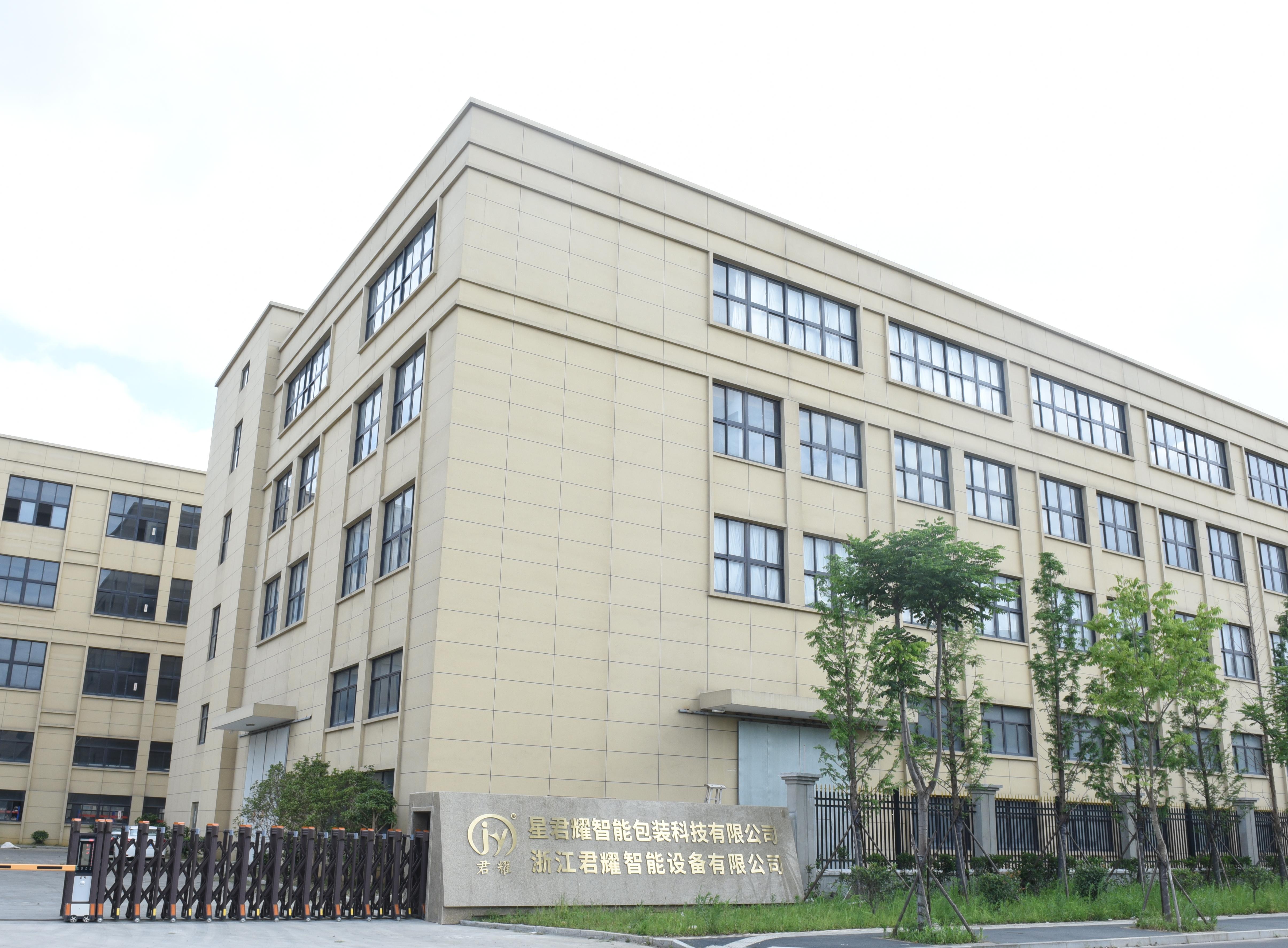
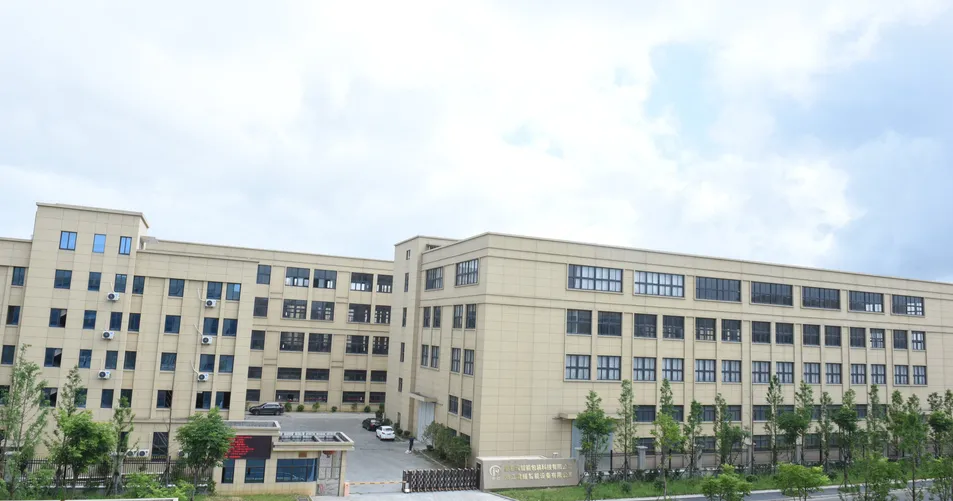
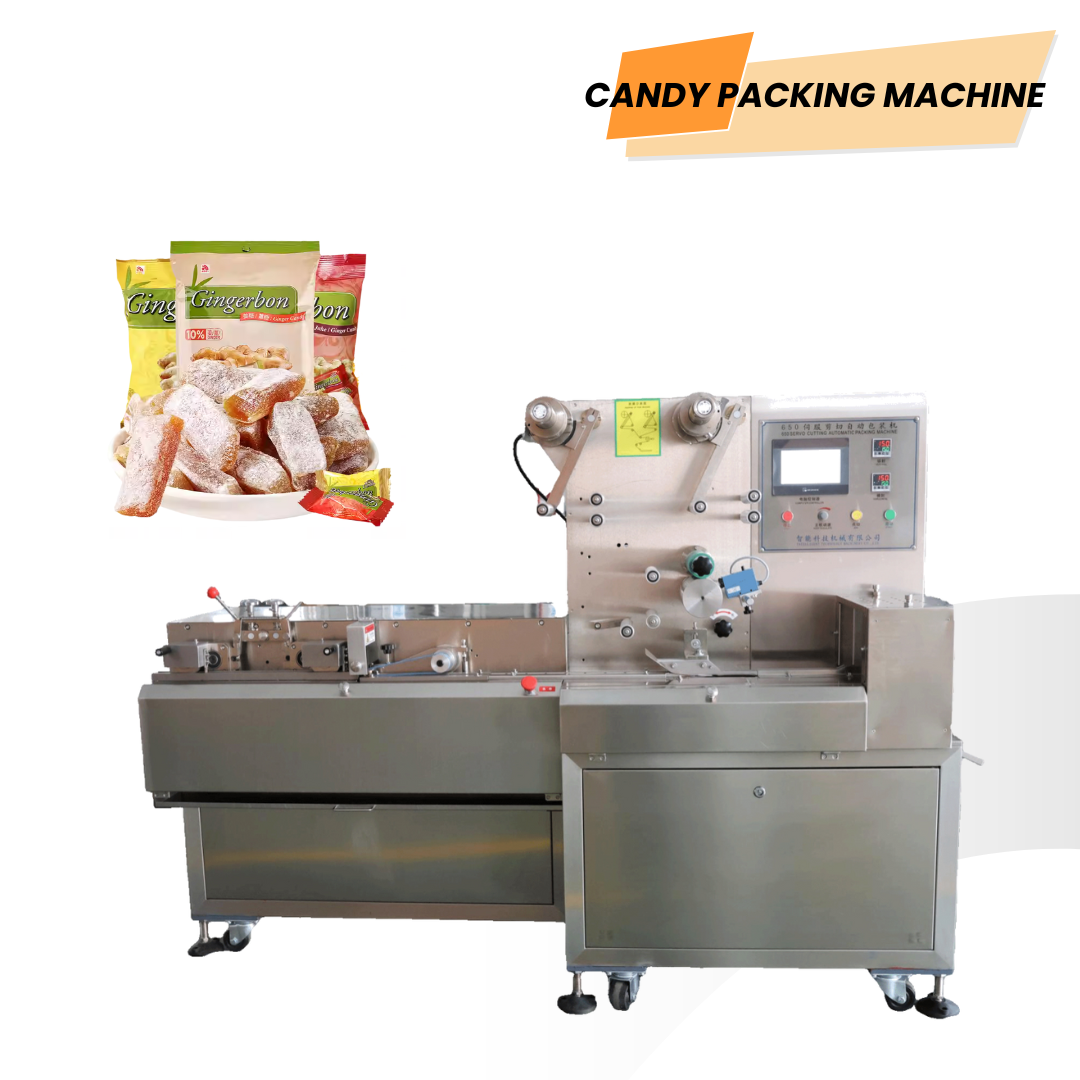
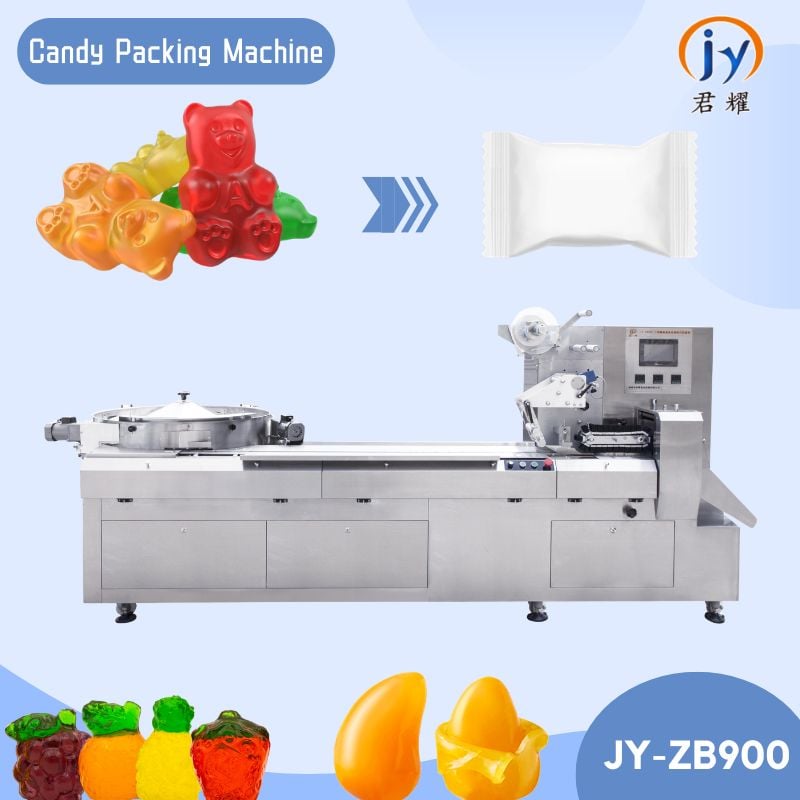
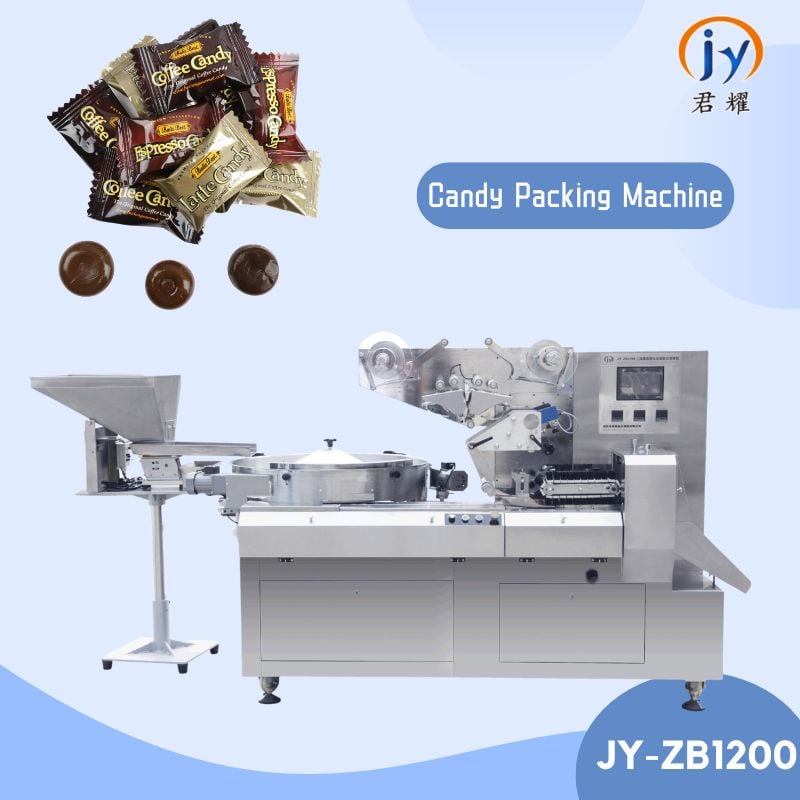
The Junyao JY-ZB1200 is a three-servo-driven high-efficiency candy pillow pack sealing machine engineered for confectionery manufacturers who require production throughput from 50 to 1200 pieces per minute with consistent seal quality across a broad range of candy types. Designed and manufactured at Xingjunyao Intelligent Packaging Technology's 13,000 m² production facility in Taizhou, Zhejiang, this machine distinguishes itself from conventional single-servo wrappers through a modular architecture that divides the packaging process into individually controllable machine sections — the infeed and sorting section, the film forming and longitudinal seal section, and the cross-seal and cutting section. Each section operates under its own servo motor and PLC subroutine, allowing independent speed adjustment, timing optimization, and rapid fault isolation without shutting down the entire production line. The JY-ZB1200 produces pillow-type bags with a length range from 45 mm to 120 mm, covering the dimensional requirements for individually wrapped hard candies, chewy fruit chews, chocolate-coated centres, and sugar-dusted jellies that dominate global confectionery markets.
Xingjunyao has exported packaging solutions to more than 25 countries since its founding in 2014, and the JY-ZB1200 reflects the engineering priorities identified through this global deployment experience: speed range versatility to accommodate both boutique candy lines running at 50 PPM and mass-market production lines demanding 1200 PPM; oversized sorting tray capacity to handle the high-volume infeed that ultra-fast candy lines require; and a dual-roll film change system that eliminates the 3-to-5-minute downtime that conventional single-roll machines incur every time a film roll is depleted. With a total power consumption of only 4.5 KW and a compact footprint of 2450 x 1300 x 1600 mm, the JY-ZB1200 delivers one of the highest output-to-footprint ratios in the pillow-pack machine category, making it an efficient choice for confectionery factories where floor space is constrained and energy costs must be minimized.
Key Features
1. Three-Servo Modular Architecture with Independent Section Control
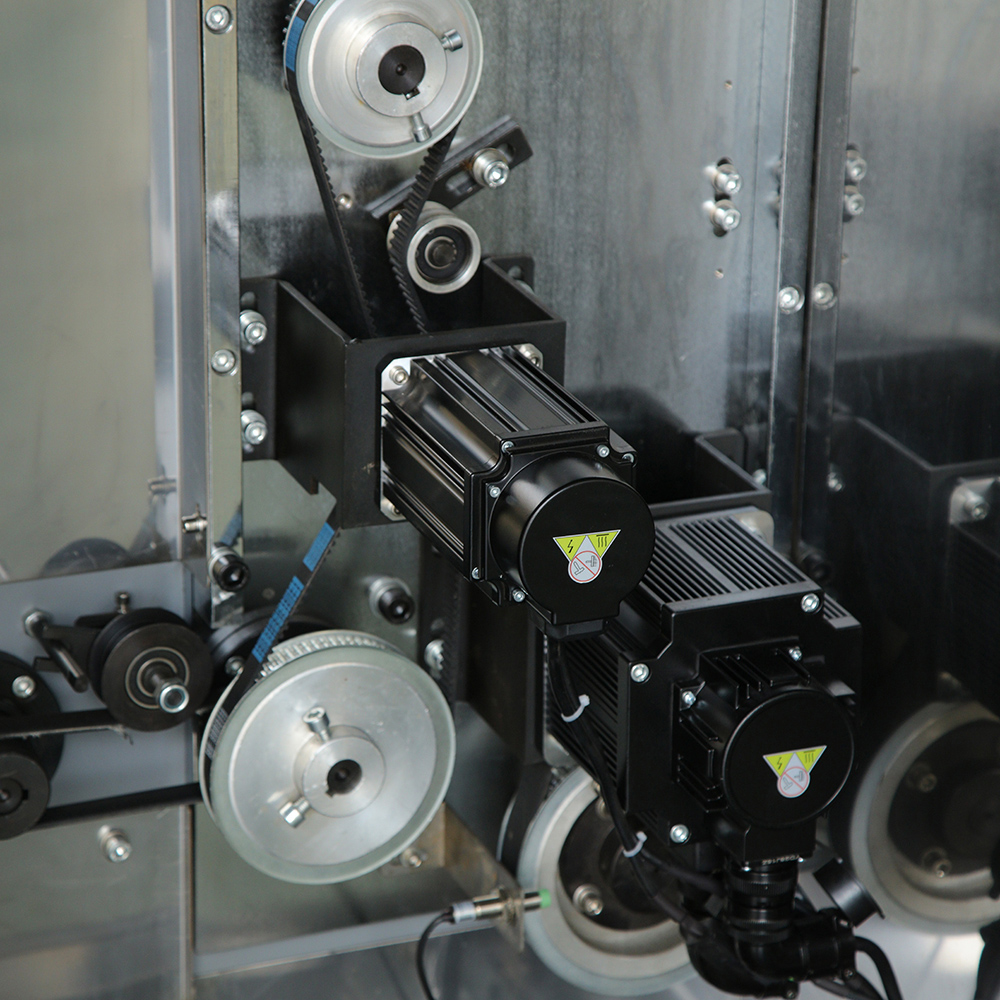
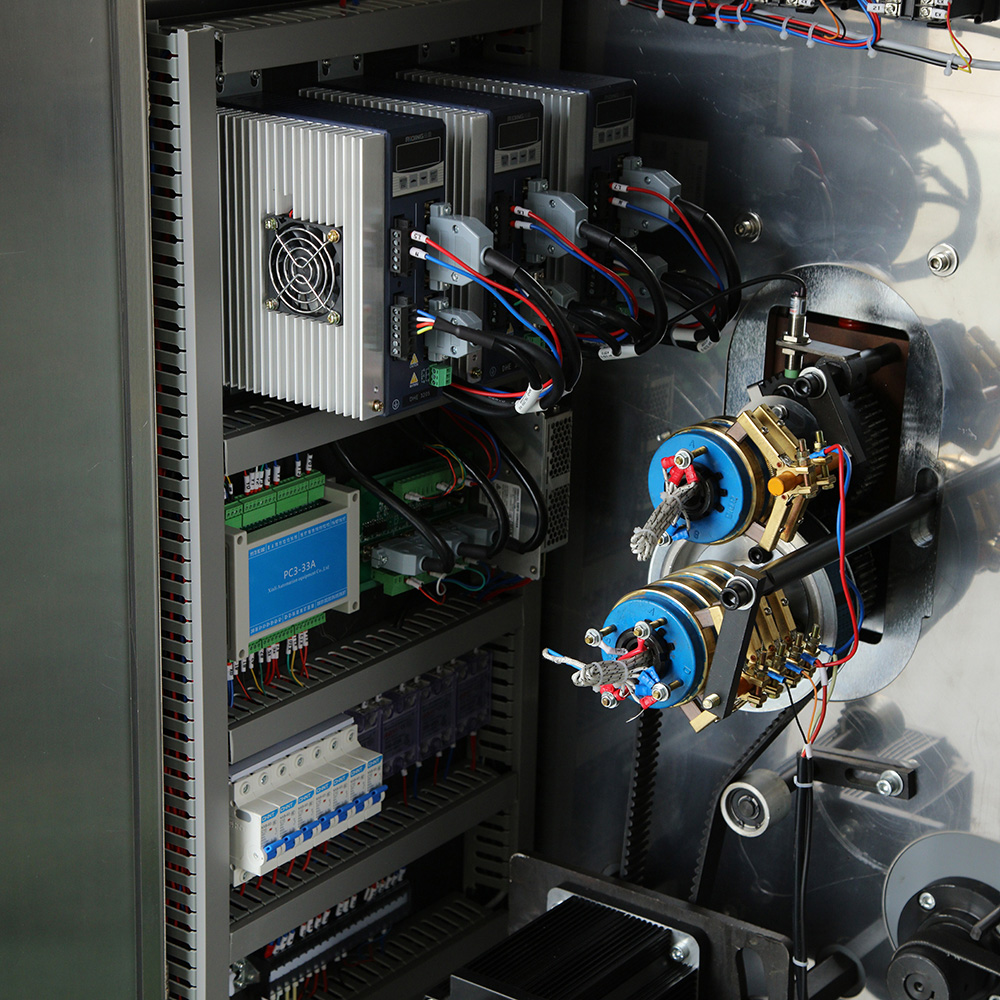
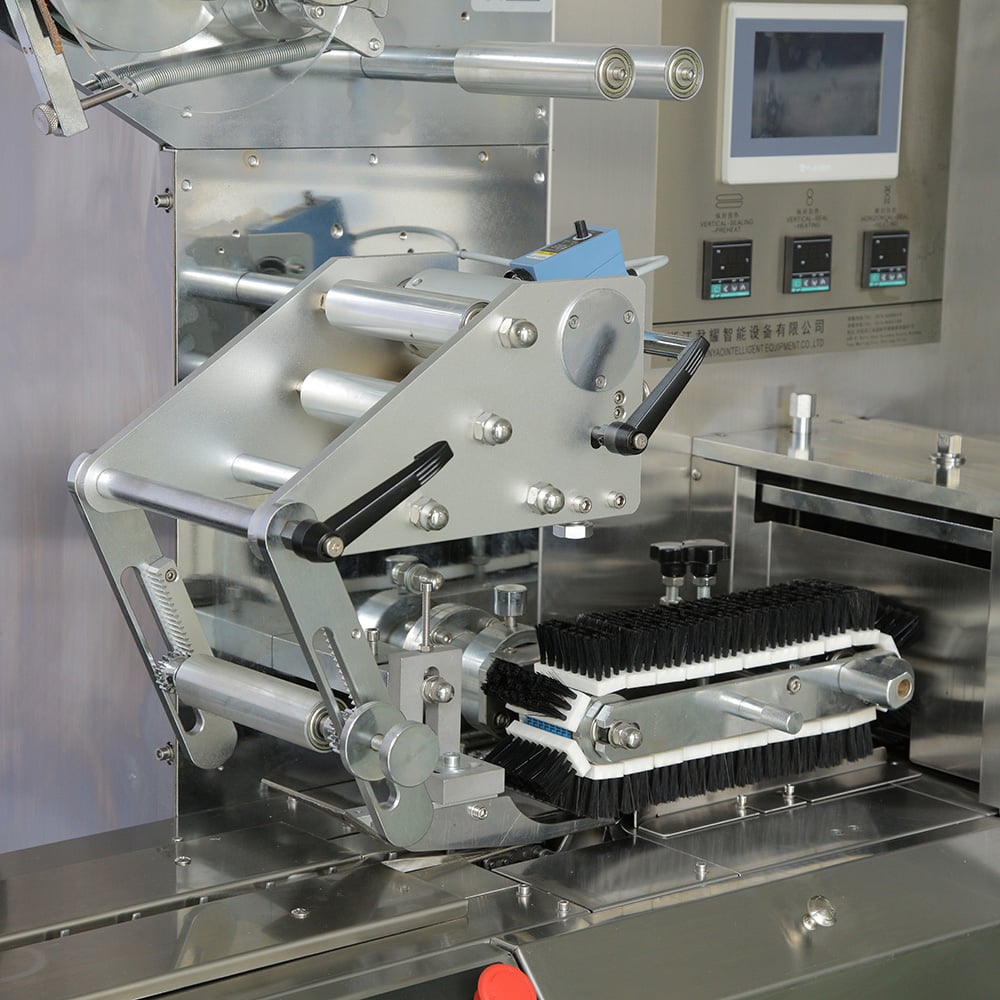
The JY-ZB1200's three-servo architecture divides the machine into three functionally independent sections, each driven by its own servo motor and governed by a dedicated PLC subroutine that communicates with the master controller over a high-speed industrial bus. The infeed and sorting section controls the oversized sorting tray rotation speed and the product spacing on the conveyor belt, matching the candy feed rate to the downstream packaging speed without mechanical synchronization gears. The film forming and longitudinal seal section manages the film drum rotation, the forming collar shaping, and the continuous longitudinal seal roller pressure and temperature. The cross-seal and cutting section controls the rotary end-seal knife timing, the seal dwell time, and the cut-through clearance. This modular design means that when a fault occurs in one section — for example, a film jam at the forming collar — the operator can pause only the affected section while the infeed sorting tray continues to accumulate product, and the cross-seal section clears its last sealed bag. Once the fault is resolved, all three sections resume synchronized operation automatically. The net effect is a reduction in unplanned downtime of approximately 30 to 40 percent compared to monolithic single-motor wrappers where any fault stops the entire machine.
2. Oversized Sorting Tray for High-Volume Candy Infeed
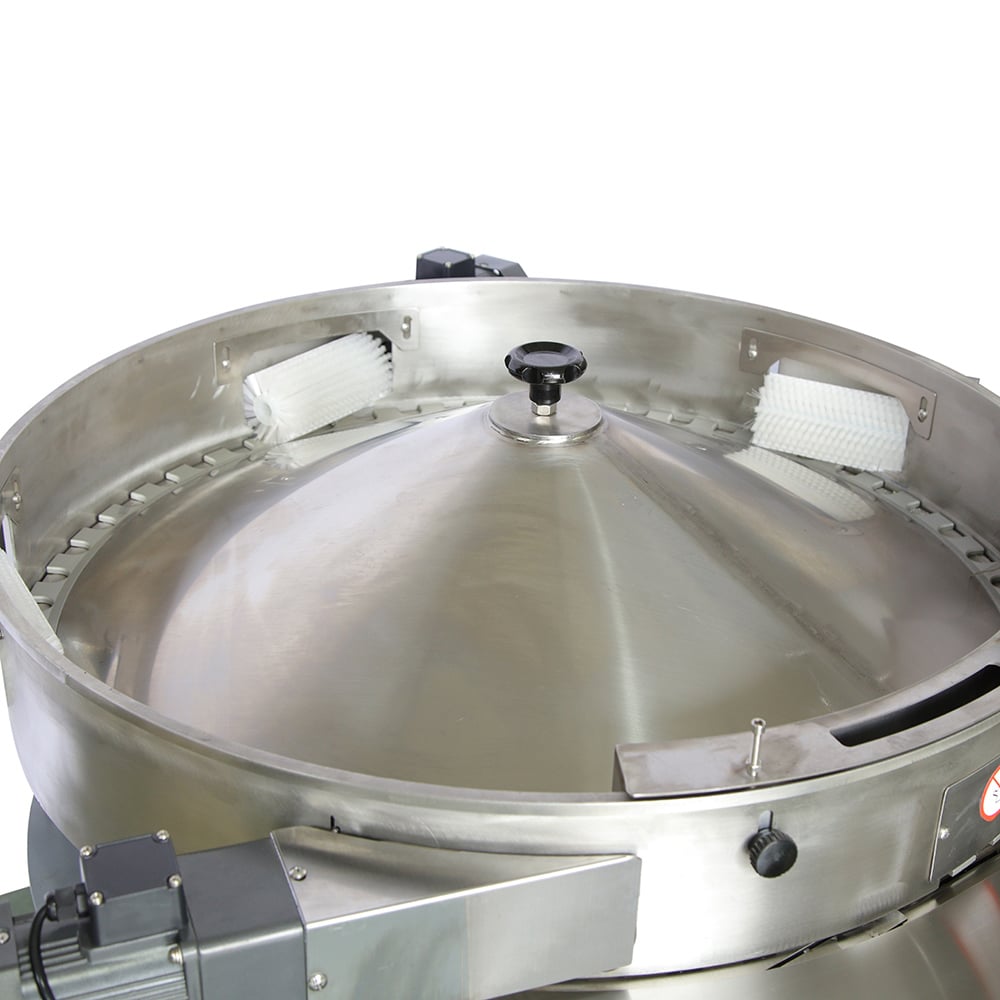
At production speeds approaching 1200 PPM, the infeed mechanism must accept, orient, and deliver candies to the packaging section at a rate of 20 candies per second without jamming, misalignment, or product damage. The JY-ZB1200 addresses this with an oversized rotary sorting tray with a diameter of 600 mm, approximately 40 percent larger than the sorting trays found on standard candy wrappers. The tray surface is coated with a food-grade anti-stick silicone layer that prevents sugar-dusted and oil-coated candies from adhering to the tray during rotation. Candies enter the tray through a vibratory hopper that feeds from an overhead storage bin, and the tray's centrifugal action separates individual pieces and aligns them into single-file rows along the tray perimeter. A series of adjustable guide vanes direct the candies into the correct orientation — flat candies lying horizontally, spherical candies rolling into position — before they transfer onto the infeed conveyor. The oversized tray diameter provides a longer residence time for each candy on the tray, reducing the probability of double-feeds (two candies entering the same bag) from approximately 0.5 percent on standard trays to less than 0.05 percent on the JY-ZB1200, a critical quality metric for premium candy brands that reject any package containing more than the labelled count.
3. Dual-Roll Non-Stop Film Change System
On a production line running at 1200 PPM, each film roll lasts approximately 35 to 45 minutes depending on bag dimensions. Every time a single-roll machine requires a film change, the operator must stop the machine, remove the depleted roll core, mount a new roll, thread the film through the forming collar and seal rollers, and restart the machine — a process that consumes 3 to 5 minutes of production time per change, accumulating to 30 to 50 minutes of lost output over an 8-hour shift. The JY-ZB1200 eliminates this downtime with a dual-roll film feeding system that carries two full film rolls simultaneously on parallel drum shafts. When the primary roll approaches depletion, the PLC detects the roll diameter reduction through a proximity sensor and automatically triggers a film splice sequence: the servo-driven film feed accelerates the secondary roll to match the primary roll's surface speed, a thermal splice bar bonds the trailing edge of the primary roll to the leading edge of the secondary roll, and the machine continues operating without interruption. The entire splice cycle completes in under 2 seconds. Over an 8-hour shift, this non-stop film change capability preserves approximately 40 to 60 minutes of production time that would otherwise be lost to manual film changes, translating to an additional 48,000 to 72,000 wrapped candies per shift at the maximum production speed.
4. Photoelectric Tracking with Dual-Sensor Registration
Candy packaging films frequently feature multi-colour printed designs with brand logos, flavour indicators, and promotional graphics that must align precisely with the sealed pillow pouch. Misregistration not only degrades the package's visual appeal but can also place flavour information outside the visible front panel, violating labelling regulations in several export markets. The JY-ZB1200 employs a dual-sensor photoelectric tracking system with one forward-facing sensor that reads the longitudinal cut-position mark and one rear-facing sensor that monitors the cross-seal alignment mark. Both sensors operate in a closed-loop feedback configuration with the master PLC, which continuously adjusts the servo-driven film feed and cross-seal timing to maintain registration accuracy within plus or minus 0.5 mm at speeds up to 1200 PPM. The sensors support three detection modes — positive mark, negative mark, and contrast-differential — enabling reliable registration on clear windows, metallic foils, and high-gloss coated films that challenge single-mode sensors. When the deviation exceeds the programmed alarm threshold (default 1.5 mm), the machine triggers a visual and audible alert on the HMI screen and automatically reduces production speed by 30 percent to prevent out-of-spec packages from reaching the downstream collection conveyor, resuming full speed only after the operator confirms registration correction.
5. Multi-Language HMI and Remote Diagnostic Platform
Operating a 1200-PPM candy packaging machine in export markets spanning from Southeast Asia to the Middle East and Eastern Europe requires an interface that local operators can understand without translation delays. The JY-ZB1200 HMI touch screen provides full-language support for English, Chinese, Arabic, Russian, Spanish, French, and Portuguese, covering the official languages of Junyao's primary export destinations. All operational menus, alarm codes, parameter labels, and recipe management screens are displayed in the selected language, with the operator able to switch languages without rebooting the controller. Beyond the local HMI, the PLC's Ethernet port connects to Junyao's remote diagnostic platform, allowing the engineering team in Taizhou to access live servo status data, review alarm logs, and guide the operator through troubleshooting steps in real time via a secure VPN tunnel. This remote support reduces the average resolution time for software-related issues from the 48-hour typical wait for an on-site technician visit to under 20 minutes, a capability that has proven critical for customers in regions where Junyao does not yet have a local service partner.
6. Adjustable Sealing Parameters for Diverse Film Structures
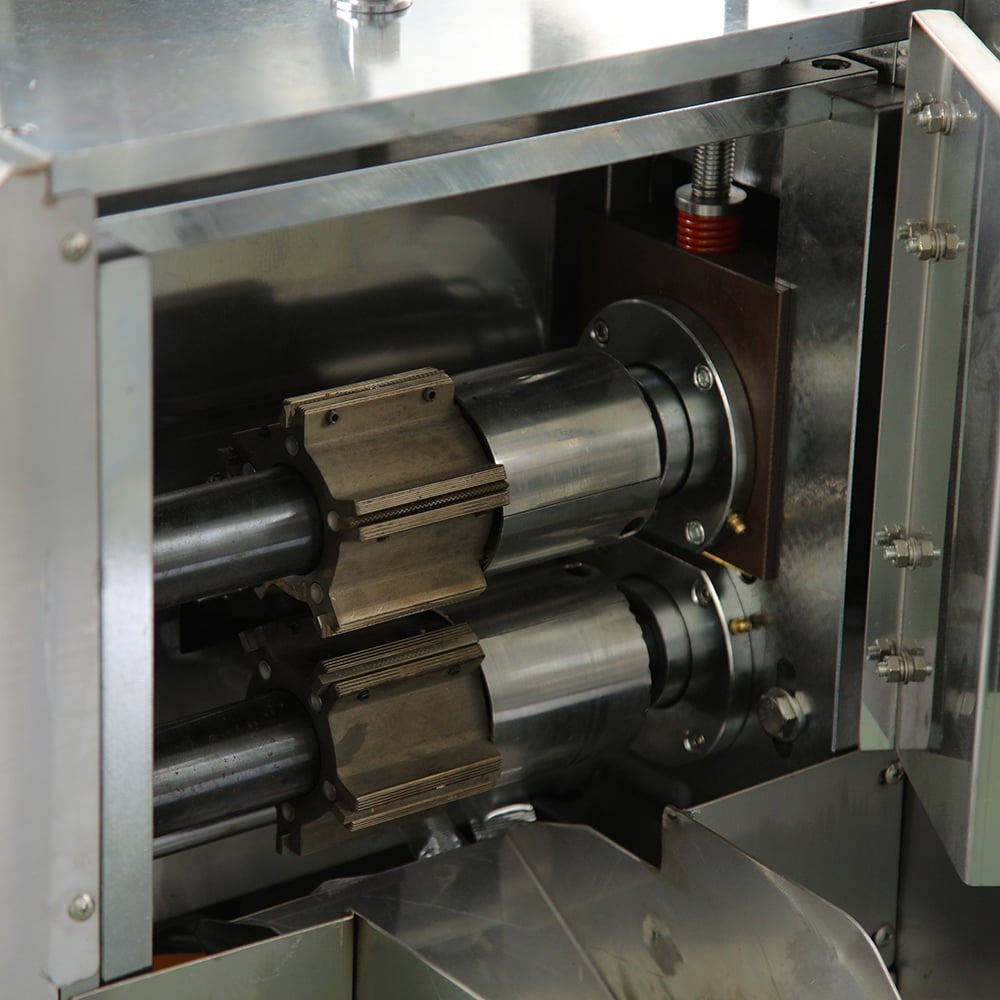
Candy manufacturers use a wider variety of film structures than most other food categories, ranging from thin monolayer cast polypropylene (CPP) for economy hard candy packs to complex five-layer barrier laminates (OPP/adhesive/AL/adhesive/PE) for premium chocolate-centre candies that require moisture and oxygen protection. The JY-ZB1200 longitudinal and cross-seal units feature independently controlled heating elements with temperature ranges from 80 degrees Celsius to 200 degrees Celsius, adjustable in 1-degree increments. Seal pressure is regulated by servo-driven pressure actuators rather than fixed-spring mechanisms, allowing the operator to set higher pressure for thick barrier laminates that need deeper melt penetration or lower pressure for thin CPP films that would wrinkle under excessive clamp force. The HMI stores sealing parameter profiles for up to 50 film-product combinations, and each profile can be loaded with a single touch, eliminating the trial-and-error adjustment period that conventional machines require after each film change. An integrated seal-strength verification mode runs a periodic peel test on every 500th bag by measuring the servo motor torque during the seal operation, flagging any bag where the measured torque deviates more than 15 percent from the stored baseline, alerting the operator to a potential seal-quality degradation before it affects a large batch.

Technical Specifications


 EN
EN