Packaging Equipment and Machinery Solutions

All Categories

packaging equipment and machinery

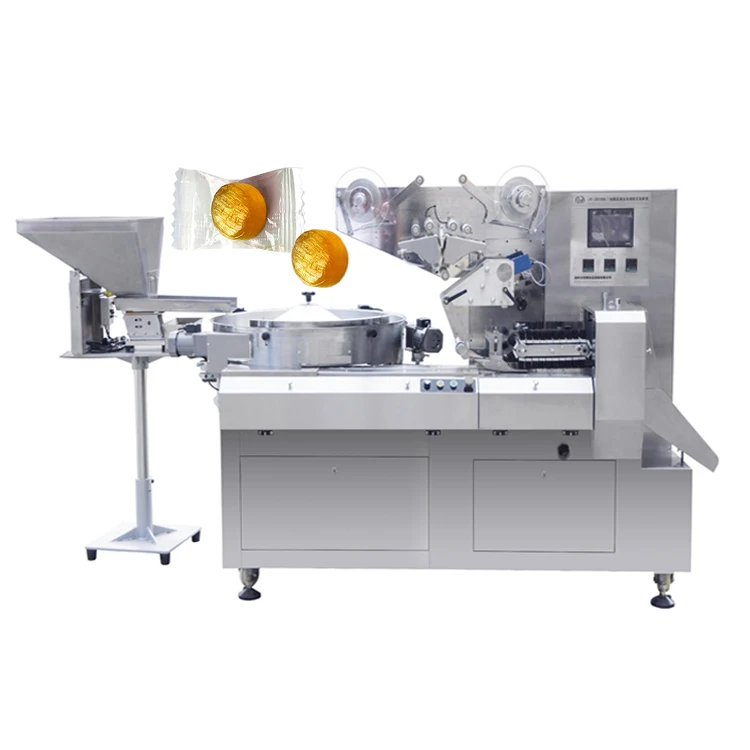
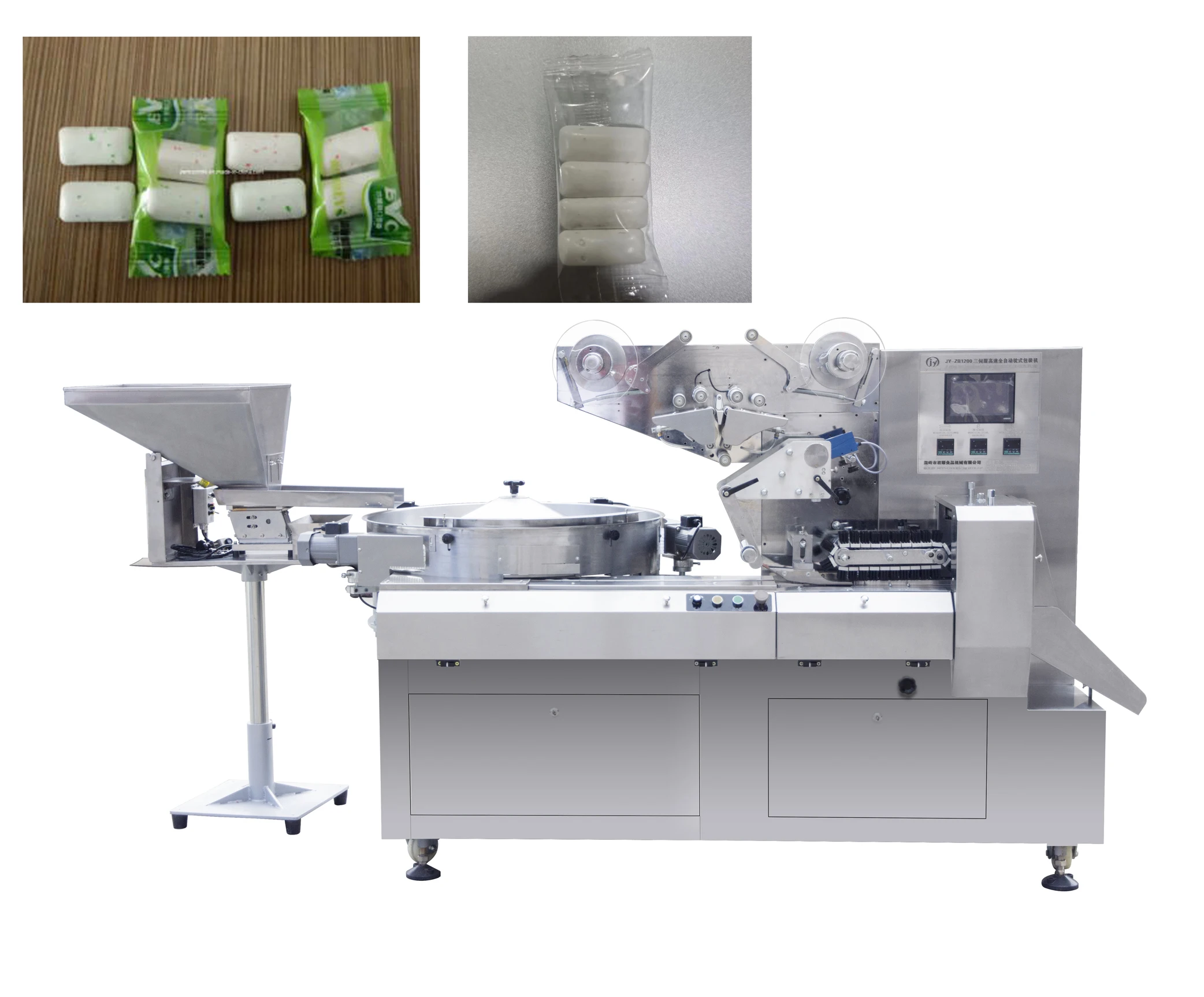
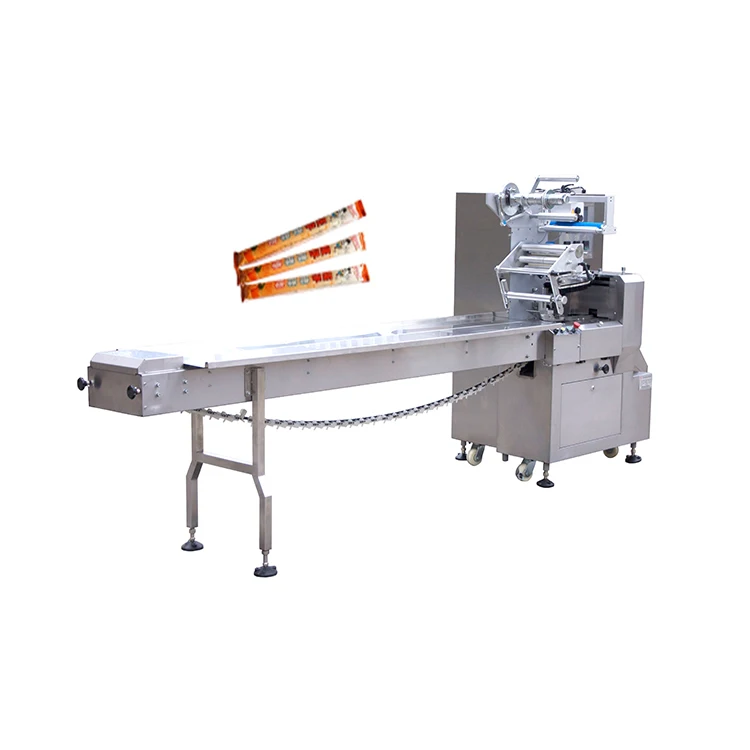
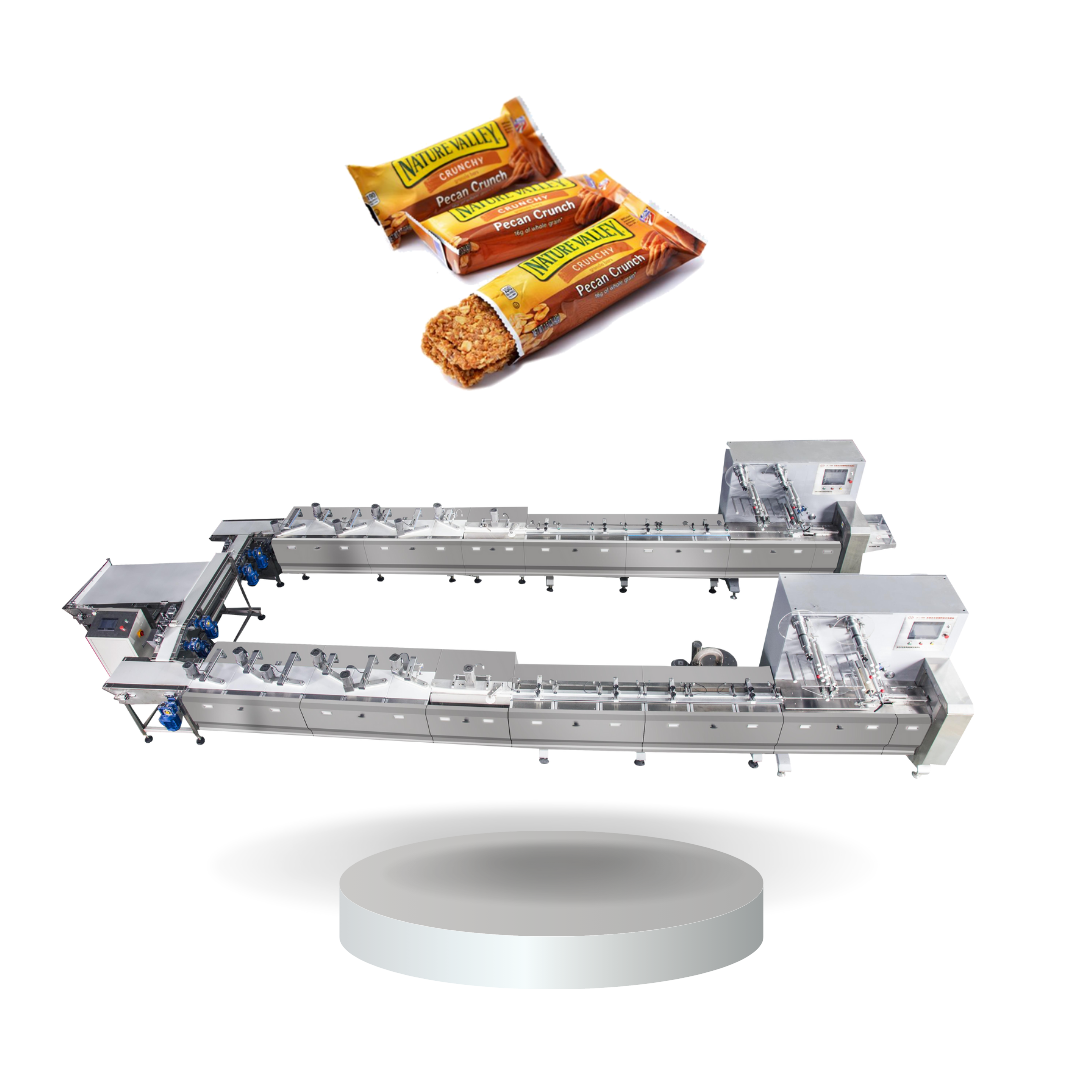
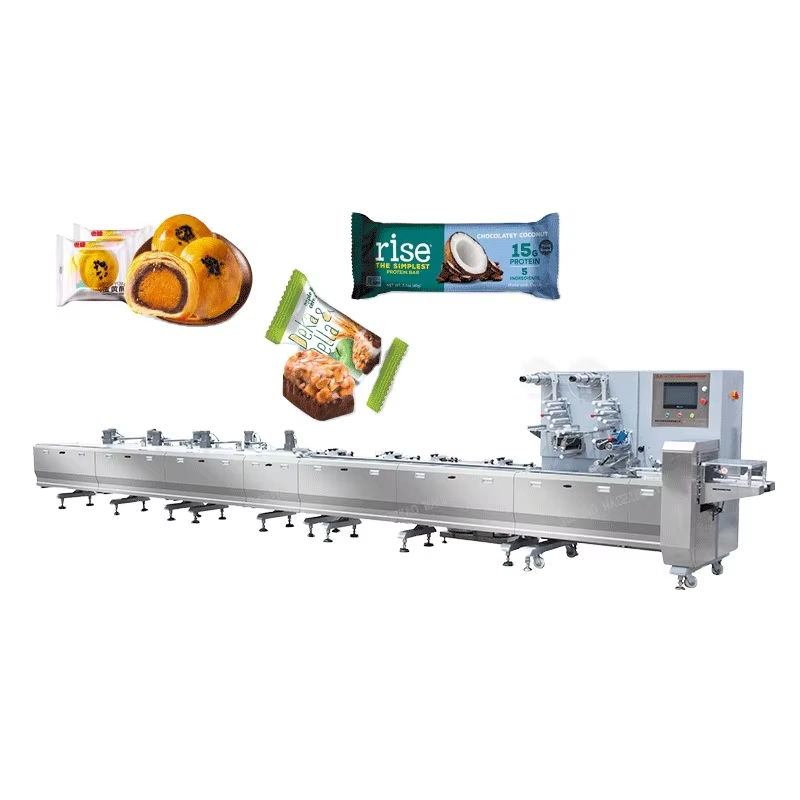
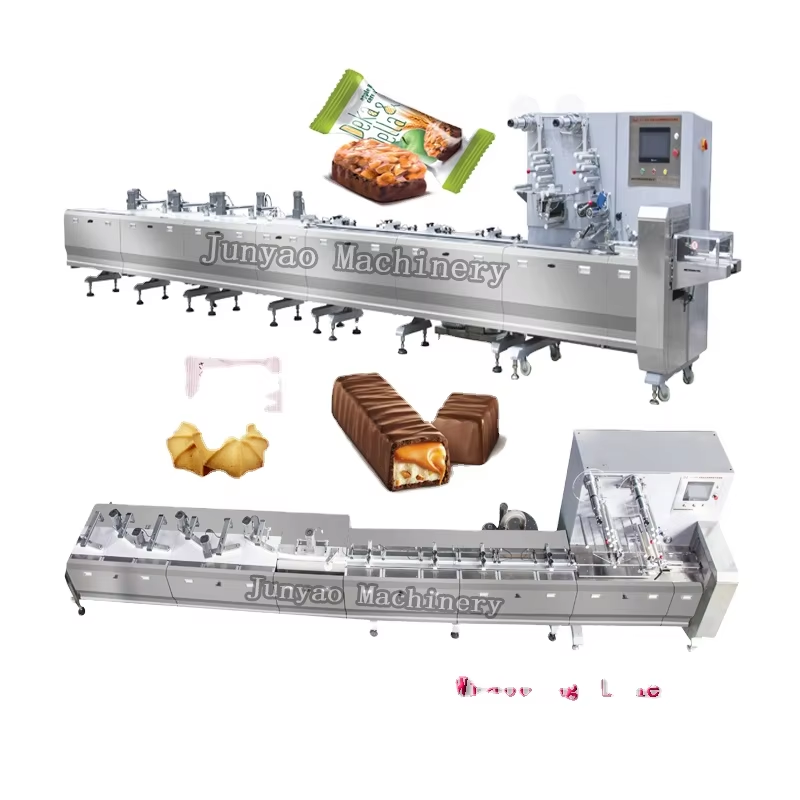
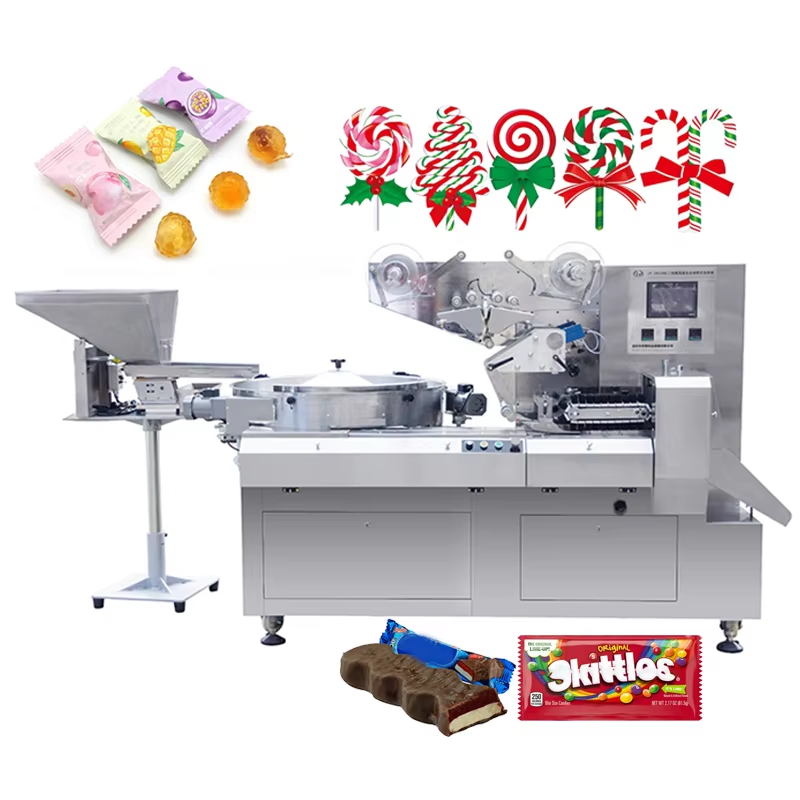
Packaging equipment and machinery represents essential industrial solutions designed to automate and optimize the packaging process across diverse manufacturing environments. These sophisticated systems encompass a comprehensive range of technologies, from fully automated filling and sealing machines to semi-automatic wrapping and labeling units that transform raw materials into finished, market-ready products. Modern packaging equipment and machinery integrates advanced control systems, precision mechanics, and intelligent sensors to ensure consistent quality, speed, and reliability throughout production cycles. The main functions include product containment, protection during transit, portion control, labeling, and ensuring compliance with industry standards and regulations. Technological features of contemporary packaging equipment and machinery include programmable logic controllers for flexible operation, touchscreen interfaces for intuitive control, servo-driven mechanisms for precise positioning, and quick-changeover capabilities that minimize downtime between different product runs. These systems accommodate various packaging formats including bottles, pouches, cartons, blister packs, and shrink-wrapped bundles, making them adaptable to pharmaceuticals, food and beverage, cosmetics, chemicals, and consumer goods industries. Applications span primary packaging that directly contacts products, secondary packaging for grouping and protection, and tertiary packaging for bulk transportation. Whether operating standalone or integrated into complete production lines, packaging equipment and machinery delivers the automation foundation that modern manufacturers require to meet growing demand while maintaining stringent quality standards and operational efficiency.

New Products

Investing in quality packaging equipment and machinery delivers substantial operational improvements that directly impact your bottom line. These systems dramatically increase production speeds compared to manual processes, enabling you to fulfill larger orders and respond quickly to market demands without proportionally increasing labor costs. Automated packaging equipment and machinery reduces material waste through precise dispensing and cutting mechanisms, ensuring every unit uses exactly the required amount of packaging materials and minimizing costly overages. The consistency these machines provide eliminates human error and variability, resulting in uniform package appearance and weight that strengthens brand perception and reduces customer complaints. Modern packaging equipment and machinery offers remarkable flexibility through quick-change tooling and programmable settings, allowing you to run multiple product types on the same line with minimal setup time between changeovers. This adaptability proves particularly valuable for businesses managing diverse product portfolios or seasonal variations. Safety improvements represent another critical advantage, as automated packaging equipment and machinery handles repetitive tasks and removes workers from potentially hazardous operations involving heat sealing, sharp cutting mechanisms, or heavy lifting. The long-term cost savings become evident through reduced labor requirements, lower material consumption, decreased product damage, and minimized rework expenses. Furthermore, packaging equipment and machinery equipped with data collection capabilities provides valuable production insights, enabling you to identify bottlenecks, track efficiency metrics, and make informed decisions about process optimization. These systems also help ensure regulatory compliance by maintaining consistent documentation and meeting stringent hygiene standards required in pharmaceutical and food applications. The scalability of modern packaging equipment and machinery means your investment grows with your business, accommodating increased volumes without requiring complete system replacement.

Latest News

Why Candy Bar Wrapping Machines Are Critical for Automated Lines

21

Feb

Why Candy Bar Wrapping Machines Are Critical for Automated Lines

Candy Packaging Machine Integration: Eliminating the Primary BottleneckHow wrapping station inefficiencies cascade across automated confectionery linesWhen wrapping stations aren't working properly, they quickly turn into major problems for cand...
View More
Why Automated Gummy Candy Packaging Machines Are More Efficient Than Manual Wrapping

04

Mar

Why Automated Gummy Candy Packaging Machines Are More Efficient Than Manual Wrapping

Faster Throughput: How Candy Packaging Machines Scale Production SpeedUnits per Minute: Automated vs. Manual Gummy Packaging PerformanceWhen it comes to packing gummies by hand, there's just no getting around the limitations of human bodies. Ski...
View More
What Are the Latest Trends in Soft Candy Wrapping Technology?

09

Mar

What Are the Latest Trends in Soft Candy Wrapping Technology?

Sustainable Materials Driving Innovation in Candy Packaging MachinesThe confectionery industry’s pivot toward eco-conscious solutions is transforming candy packaging machine design, with material compatibility now a critical performance metric. Leadi...
View More
How China Pillow Packing Machines Reduce Operational Costs and Energy Consumption

15

May

How China Pillow Packing Machines Reduce Operational Costs and Energy Consumption

Automated Efficiency: How Pillow Packing Machines Cut Labor and Downtime Costs Form-Fill-Seal Automation Reduces Manual Labor by 60–75% Modern pillow packing machines use form-fill-seal (FFS) technology to automate bag forming, product fillin...
View More

Get a Free Quote

Our representative will contact you soon.
Name
Email
Required Product
Message
0/1000

packaging equipment and machinery

Advanced Automation Technology

Advanced Automation Technology

Contemporary packaging equipment and machinery leverages cutting-edge automation technology that transforms traditional packaging operations into intelligent, self-regulating systems. These machines incorporate sophisticated servo motors that provide precise control over every movement, ensuring accurate positioning, consistent tension, and reliable sealing across millions of cycles. The integration of programmable logic controllers allows operators to store multiple product recipes, instantly switching between different packaging specifications with the touch of a button rather than manual adjustments that consume valuable production time. Vision systems and sensors continuously monitor package quality, automatically rejecting defective units and alerting operators to potential issues before they escalate into costly production interruptions. The automation technology embedded in modern packaging equipment and machinery also includes predictive maintenance capabilities that track component wear and operating conditions, scheduling maintenance activities during planned downtime rather than responding to unexpected breakdowns. This intelligent automation extends to material handling, with automatic feeders that maintain consistent supply to packaging stations and eliminate bottlenecks caused by manual replenishment. The result is a packaging operation that runs smoothly with minimal supervision while delivering superior quality and throughput that manual processes cannot match.
Versatile Application Range

Versatile Application Range

The exceptional versatility of modern packaging equipment and machinery makes these systems valuable investments for businesses across numerous industries and product categories. Manufacturers can configure the same core platform to handle liquids, powders, granules, tablets, or solid products by simply changing specific modules and adjusting parameters through the control interface. This flexibility proves particularly advantageous for contract packagers and businesses experiencing product line expansion, as the packaging equipment and machinery adapts to new requirements without necessitating entirely new capital expenditures. The machines accommodate various container types including rigid bottles, flexible pouches, cartons, tubes, and specialty shapes, with adjustable guides and changeover kits that facilitate rapid transitions between formats. Size ranges span from small pharmaceutical vials requiring precise micro-dosing to large industrial containers demanding high-volume filling capabilities, all achievable within integrated packaging equipment and machinery systems. Different sealing methods including heat sealing, ultrasonic welding, induction sealing, and mechanical crimping can be implemented based on material compatibility and application requirements. This versatility extends to secondary packaging functions, with the same equipment frameworks supporting cartoning, case packing, shrink wrapping, and palletizing operations, creating comprehensive packaging solutions that handle products from initial filling through final shipment preparation.
Superior Quality Control

Superior Quality Control

Quality assurance capabilities integrated into modern packaging equipment and machinery provide manufacturers with unprecedented control over final product consistency and compliance. These systems incorporate multiple inspection points throughout the packaging process, utilizing weight checkers that verify fill accuracy to within fractions of a gram, vision systems that detect printing defects or misaligned labels, and metal detectors or x-ray scanners that identify foreign contaminants before packages reach consumers. The packaging equipment and machinery continuously documents all critical control points, generating comprehensive batch records that satisfy regulatory requirements and provide traceability in the event of quality investigations or product recalls. Automated rejection systems immediately remove non-conforming packages from the production stream without operator intervention, maintaining line speeds while ensuring only acceptable products continue downstream. The precision mechanics and environmental controls within packaging equipment and machinery create stable operating conditions that eliminate variables affecting package integrity, such as inconsistent seal temperatures or variable product placement that could compromise shelf life or appearance. Statistical process control functions analyze real-time production data, identifying trends that might indicate developing issues and enabling corrective actions before defect rates increase. This comprehensive quality control approach reduces inspection labor, minimizes customer returns, protects brand reputation, and ensures compliance with increasingly stringent industry standards across pharmaceutical, food safety, and consumer protection regulations.
Newsletter
Please Leave A Message With Us