
 EN
EN
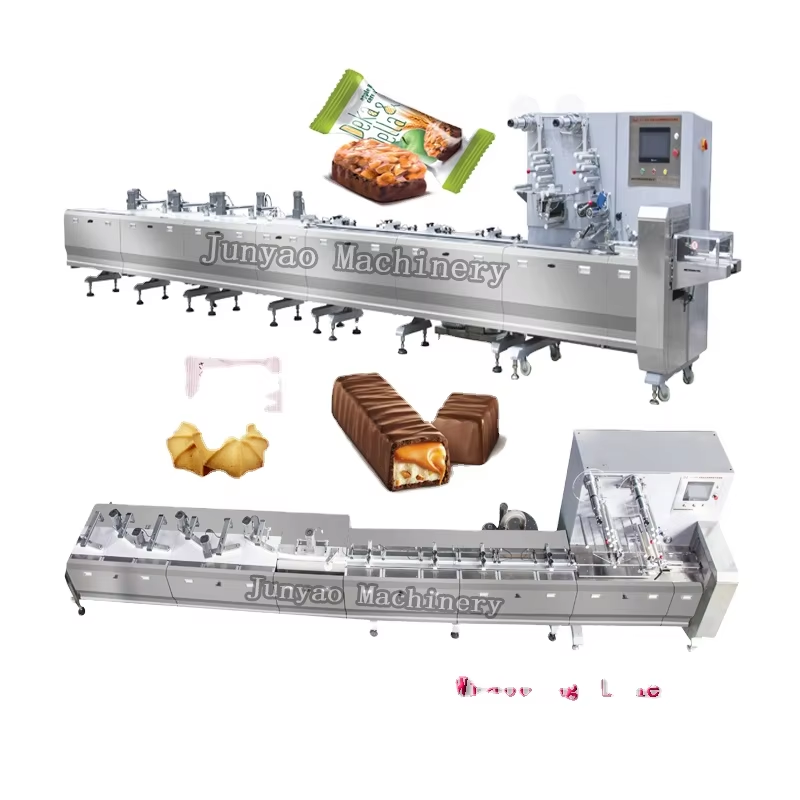
Integrating a flow packing machine into an automated production line is one of the most impactful decisions a manufacturer can make. Whether you operate in food processing, confectionery, pharmaceuticals, or consumer goods, a flow packing machine delivers repeatable, high-speed wrapping that manual methods simply cannot match. As production volumes grow and quality standards tighten, the case for automation built around a flow packing machine becomes increasingly compelling.
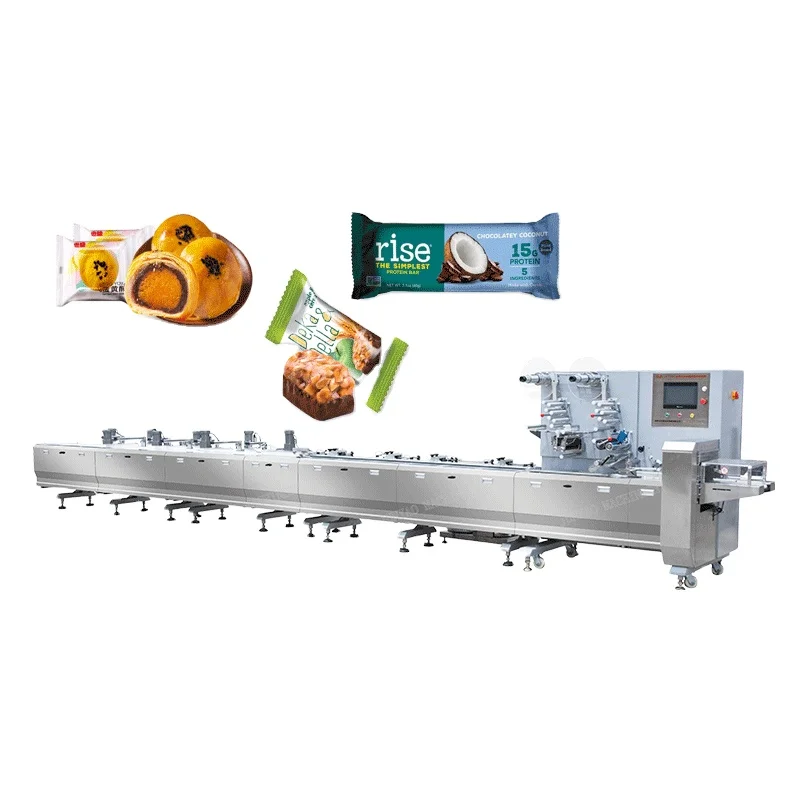
A flow packing machine wraps products in a continuous film seal, forming a pillow-style package that protects contents from moisture, dust, and damage. When this capability is embedded inside a larger automated line, the benefits multiply significantly. The flow packing machine stops being just a standalone wrapper and becomes a core engine of throughput, traceability, and operational cost control. Understanding exactly what those benefits are helps production managers justify investment and plan integration with confidence.
Speed and Throughput Gains on Automated Lines
Higher Output With Consistent Cycle Times
One of the most immediate benefits of adding a flow packing machine to an automated line is a dramatic increase in packaging speed. A modern flow packing machine can process hundreds of units per minute, maintaining consistent cycle times that manual operators could never sustain over a full shift. When the flow packing machine is synchronized with upstream conveyors, weighers, and feeders, the entire line runs at a coordinated pace with minimal bottlenecks. This synchronized operation means the flow packing machine is rarely idle, which directly lifts overall equipment effectiveness.
Reduced Downtime Through Line Integration
A flow packing machine integrated into a fully automated line benefits from shared diagnostic systems and centralized controls. When sensors detect a film break or a product jam, the flow packing machine can signal upstream and downstream equipment to pause rather than allowing defects to propagate. This interconnected fault response reduces unplanned downtime far more effectively than operating a flow packing machine in isolation. Production managers find that a networked flow packing machine recovers from minor faults faster because operators receive precise error location data immediately.
Quality Consistency and Product Protection
Uniform Sealing Across Every Package
A flow packing machine creates hermetic seals through precisely controlled heat and pressure applied at exact intervals. In an automated line, the flow packing machine receives products at a steady rate, which means seal temperature and dwell time remain stable throughout the run. Manual packaging introduces variability because operator fatigue affects pressure and alignment, but a flow packing machine eliminates that variability entirely. Every package leaving the flow packing machine meets the same seal integrity standard, which is critical for food safety compliance and shelf-life guarantees.
Film Tension and Product Alignment Control
When a flow packing machine is paired with an automated infeed system, product orientation and spacing are controlled before the item even reaches the wrapping zone. Proper alignment means the flow packing machine wraps each item with correct film tension, preventing loose packs, air pockets, or excessive film waste. A flow packing machine operating in isolation often relies on manual loading that introduces spacing errors, but an automated line removes this risk. Tighter film tension control from the flow packing machine also improves the visual appeal of the finished package, which matters for retail-ready products.
Labor Efficiency and Operational Cost Reduction
Fewer Operators Needed Per Shift
Deploying a flow packing machine within an automated line dramatically reduces the number of operators required at the packaging stage. A single flow packing machine handling hundreds of units per minute replaces several manual packers without sacrificing quality. Freed personnel can be redeployed to quality inspection, maintenance support, or other value-adding tasks. Over a multi-shift operation, the labor savings delivered by a flow packing machine compound quickly, making the return on investment calculation straightforward for most production environments.
Lower Material Waste Per Unit Packaged
A flow packing machine running at optimized film pull length consistently minimizes film consumption per package. When the flow packing machine is integrated with upstream product detection, it receives accurate length signals and adjusts film cutting positions accordingly. This precision means a flow packing machine wastes far less packaging material compared to manual methods or standalone operation with inconsistent product feeds. Reduced film waste from the flow packing machine translates directly into lower material costs per thousand units, which is a tangible saving that accumulates over high-volume production runs.
Scalability Without Major Infrastructure Changes
Another underappreciated benefit of a flow packing machine in an automated line is how easily output can be scaled. Increasing line speed on a flow packing machine typically requires servo drive adjustments rather than adding physical equipment or hiring more staff. A well-specified flow packing machine can often handle a wide range of product dimensions and film types, allowing manufacturers to run multiple SKUs through the same flow packing machine with quick changeover. This flexibility means a single flow packing machine investment supports business growth across different product categories.
FAQ
What types of products are best suited for a flow packing machine?
A flow packing machine is ideal for regularly shaped solid products such as chocolate bars, biscuits, granola bars, soap bars, medical devices, and hardware components. Products with consistent dimensions feed more reliably into a flow packing machine, enabling stable film registration and seal placement. Irregularly shaped or fragile items may require specialized infeed tooling, but a flow packing machine can still handle them with the right adjustments.
How does a flow packing machine connect to other automated line equipment?
A flow packing machine typically connects to upstream equipment through conveyors, timing belts, or robotic pick-and-place units that regulate product spacing. On the downstream side, the flow packing machine feeds completed packages to checkweighers, metal detectors, or case packers via output conveyors. Most modern flow packing machine models support PLC-based communication protocols, allowing the entire line to share speed and fault signals for coordinated operation.
What maintenance does a flow packing machine require in an automated line?
A flow packing machine in continuous automated operation requires regular inspection of sealing jaws, film guides, drive belts, and lubrication points. Seal jaw temperature calibration on the flow packing machine should be verified during each production run to maintain consistent seal quality. Film path components on the flow packing machine benefit from daily cleaning to prevent adhesive buildup, which can cause film breaks and unplanned stoppages during high-speed runs.