Auto Packing Machine Solutions | Efficiency & Speed

All Categories

auto packing machine

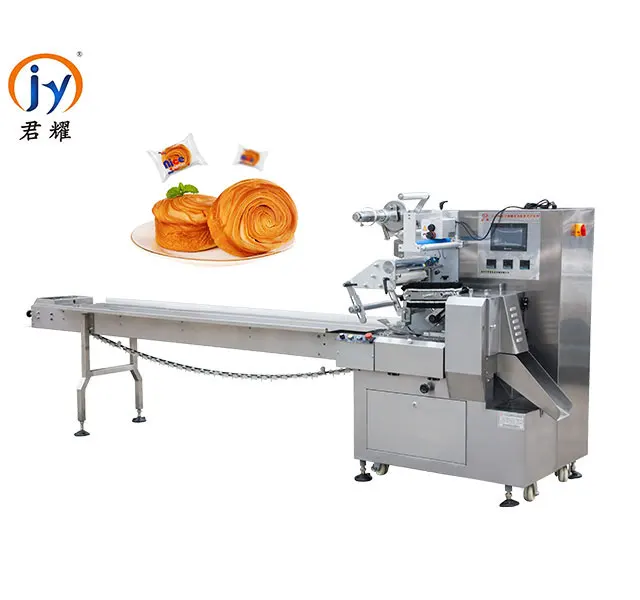
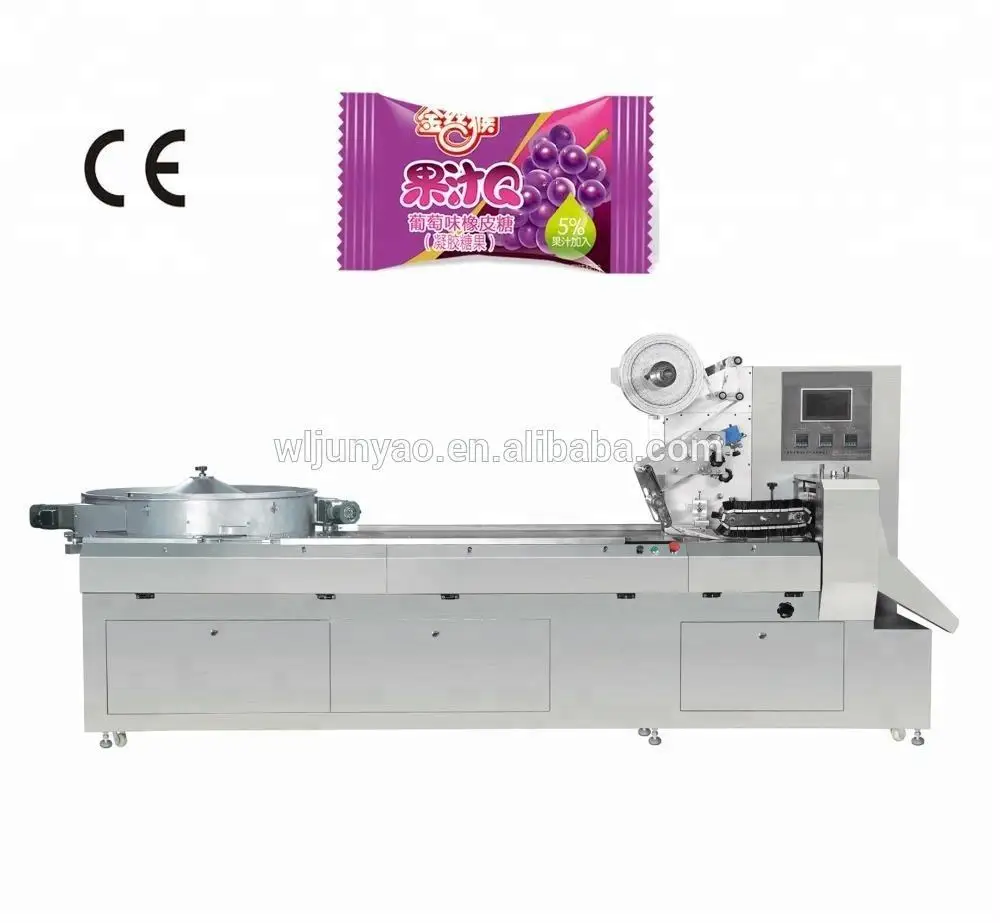
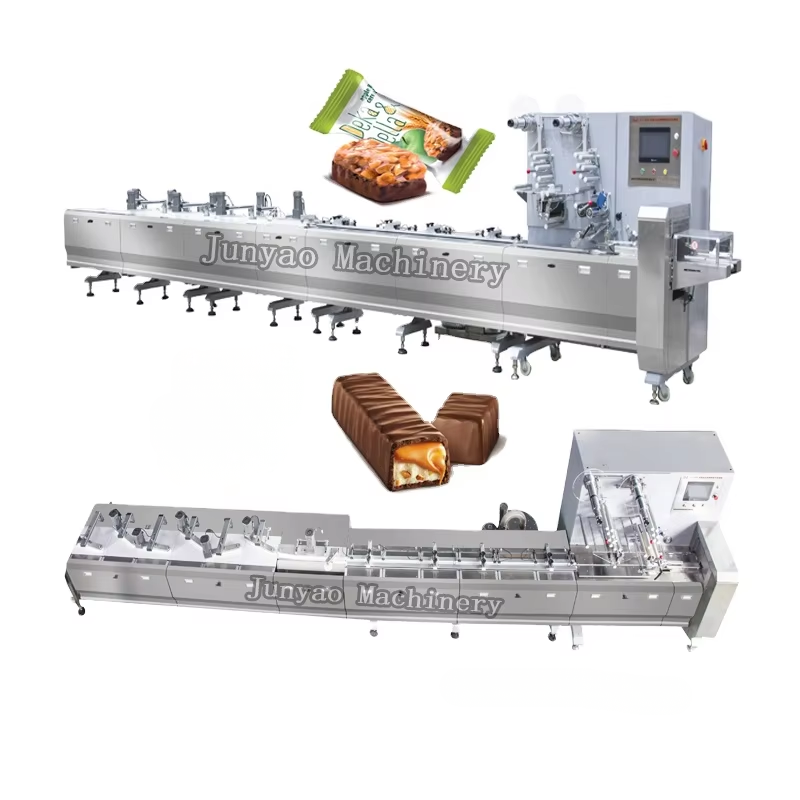
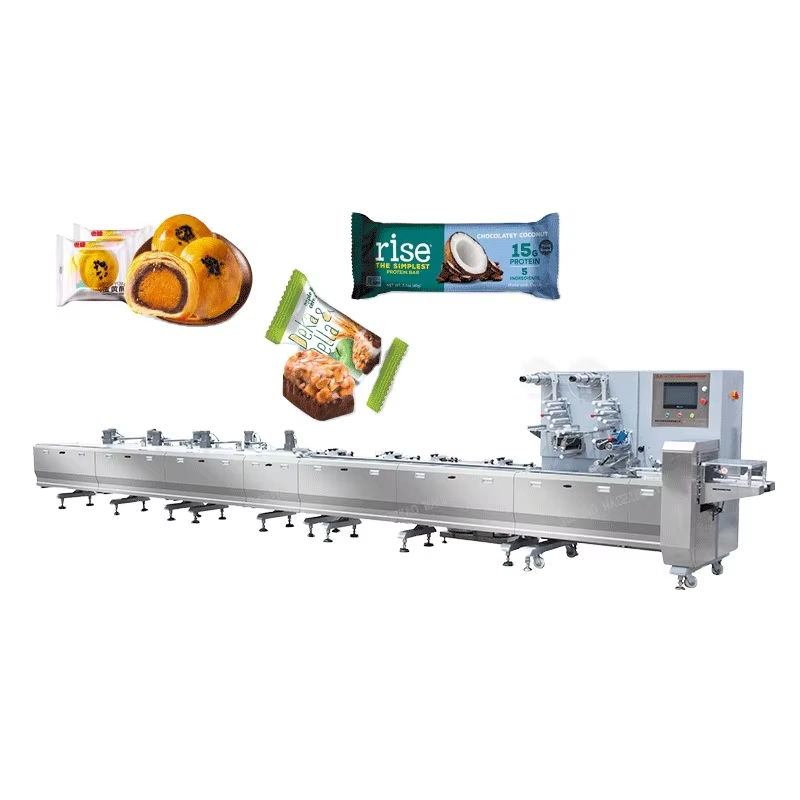
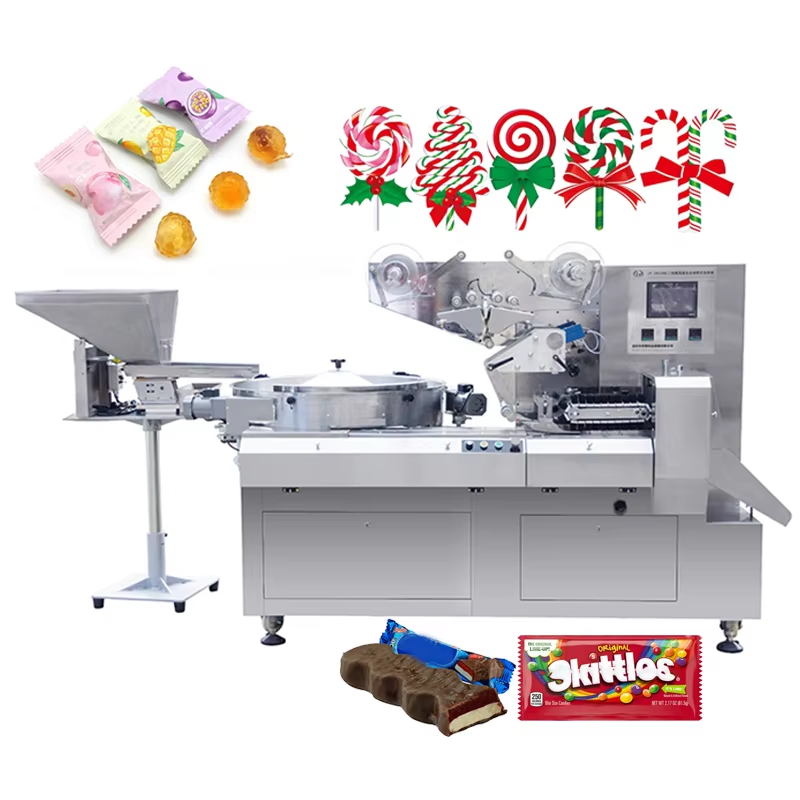
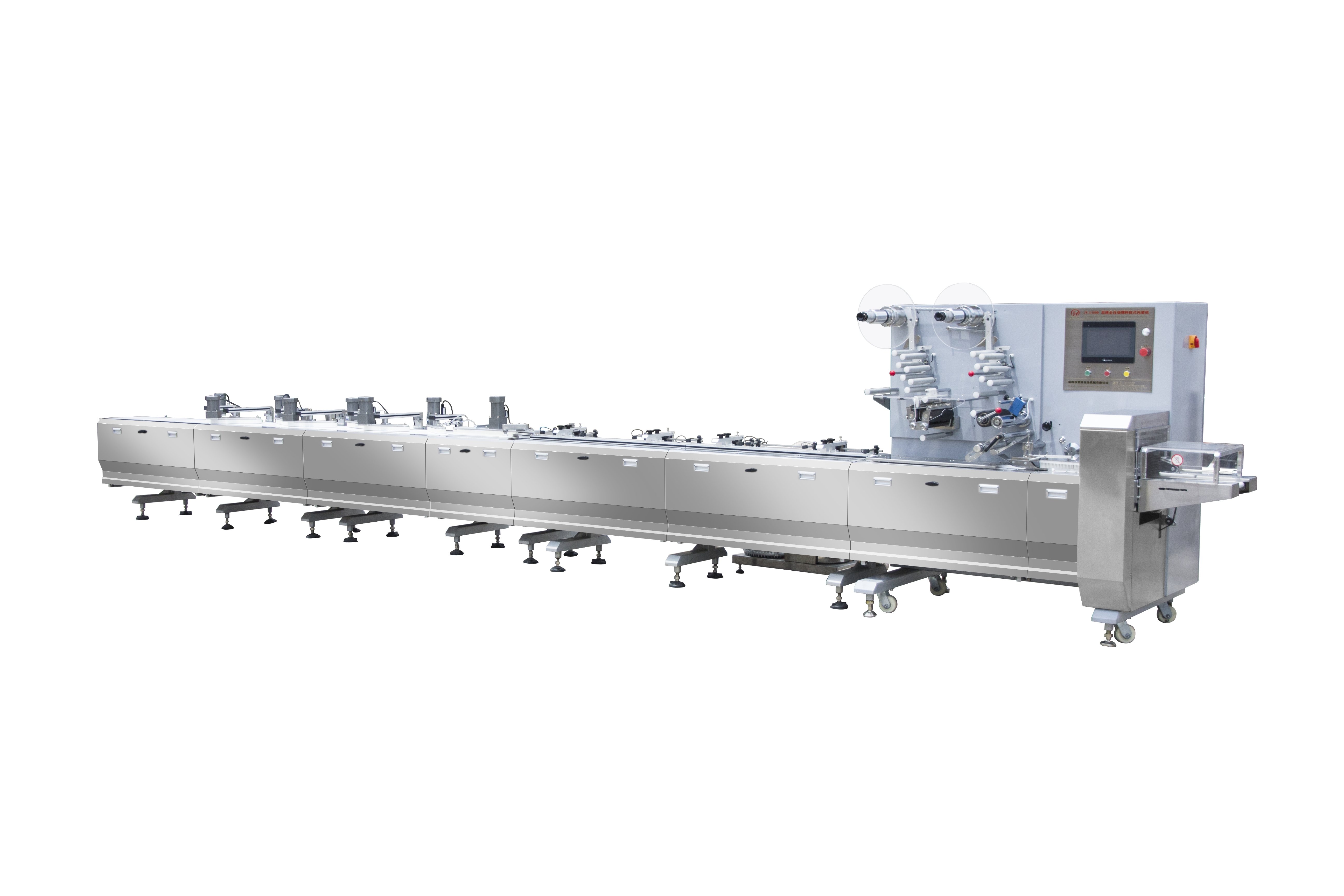
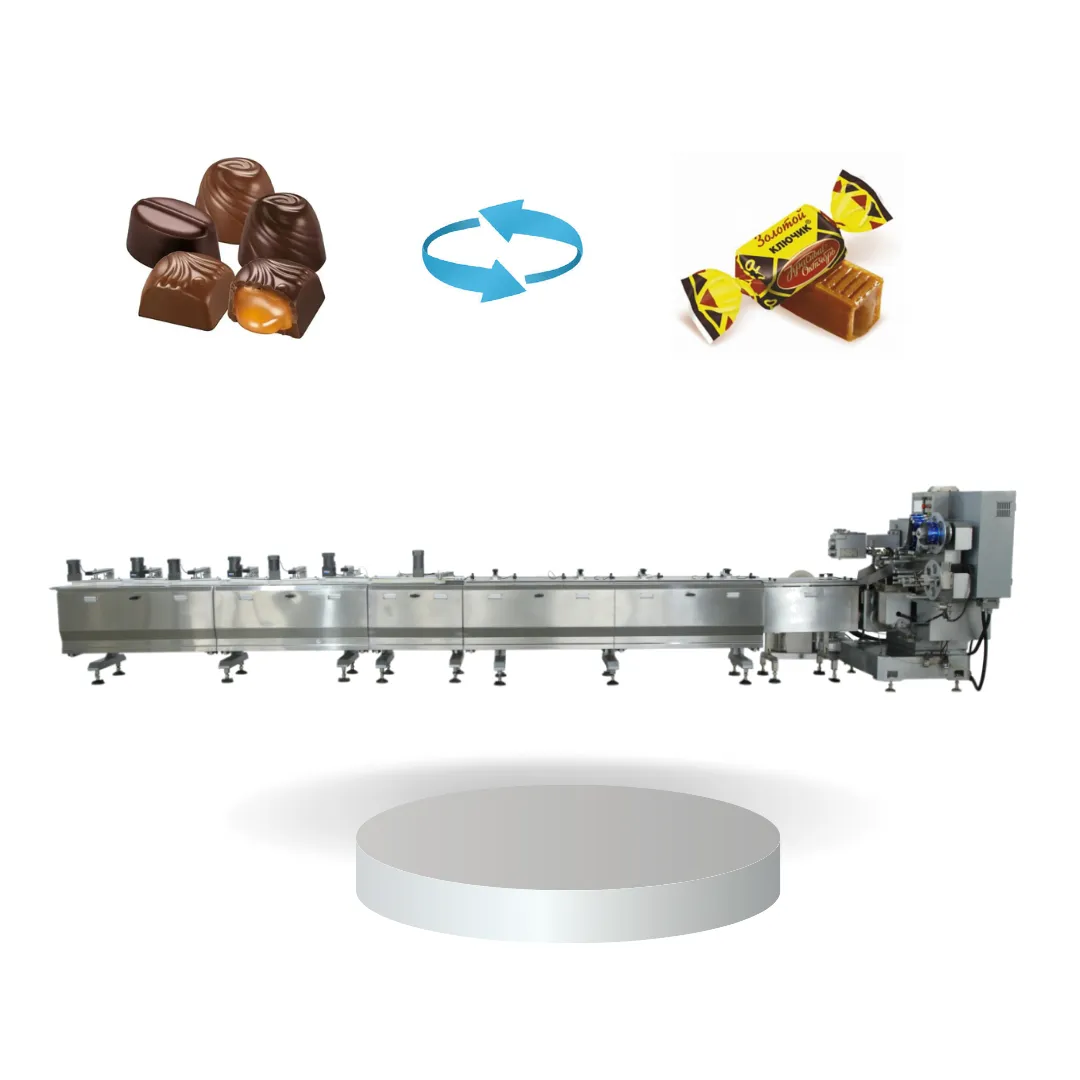
An auto packing machine is an advanced automated packaging solution designed to streamline the entire packaging process across various industries. This sophisticated equipment integrates cutting-edge technology to handle multiple packaging tasks, including product feeding, filling, sealing, labeling, and palletizing, with minimal human intervention. The auto packing machine utilizes programmable logic controllers, servo motors, and intelligent sensors to ensure precision and consistency throughout the packaging cycle. These machines are engineered to accommodate diverse product types, ranging from food items and beverages to pharmaceuticals, cosmetics, and industrial goods. The primary function of an auto packing machine involves automatically measuring, portioning, and enclosing products into predetermined packaging formats such as bags, boxes, bottles, or pouches. Technological features include touchscreen interfaces for easy operation, adjustable speed controls, quality inspection systems, and data tracking capabilities that enable manufacturers to monitor production metrics in real-time. The versatility of an auto packing machine makes it indispensable in high-volume production environments where speed, accuracy, and hygiene standards are paramount. Applications span across multiple sectors including food processing plants, pharmaceutical manufacturing facilities, chemical industries, and consumer goods production lines. Modern auto packing machine systems often incorporate Industry 4.0 connectivity, allowing seamless integration with existing production management systems and enabling predictive maintenance protocols that reduce unexpected downtime and optimize operational efficiency.

New Product Releases

Investing in an auto packing machine delivers substantial operational and financial benefits that directly impact your bottom line. First and foremost, these machines dramatically increase production speed, enabling your facility to package hundreds or thousands of units per hour compared to manual methods, which directly translates to higher output and revenue generation. The precision offered by an auto packing machine significantly reduces material waste by ensuring accurate filling and sealing, helping you minimize costs associated with overfilling or product loss. Labor cost reduction represents another major advantage, as automation decreases dependency on manual workers for repetitive packaging tasks, allowing you to reallocate human resources to more strategic roles while maintaining consistent production levels even during labor shortages. Consistency and quality control improve substantially with an auto packing machine, as automated systems eliminate human error and ensure every package meets exact specifications, enhancing your brand reputation and reducing costly product recalls. The enhanced hygiene standards achieved through minimal human contact make these machines particularly valuable for food and pharmaceutical applications where contamination risks must be minimized. Flexibility is another key benefit, as modern auto packing machine systems can be quickly reconfigured to handle different product sizes, packaging formats, and production requirements, providing the agility needed to respond to market demands. The data collection and reporting capabilities built into these machines provide valuable insights into production efficiency, helping you identify bottlenecks and optimize workflows. Long-term return on investment is compelling, as the combination of increased throughput, reduced waste, lower labor costs, and improved quality typically results in payback periods of 12 to 24 months, making an auto packing machine a financially sound decision for growing businesses.

Latest News

Why Candy Bar Wrapping Machines Are Critical for Automated Lines

21

Feb

Why Candy Bar Wrapping Machines Are Critical for Automated Lines

Candy Packaging Machine Integration: Eliminating the Primary BottleneckHow wrapping station inefficiencies cascade across automated confectionery linesWhen wrapping stations aren't working properly, they quickly turn into major problems for cand...
View More
Why Confectionery Packaging Equipment Is a Game-Changer for Small Businesses

03

Mar

Why Confectionery Packaging Equipment Is a Game-Changer for Small Businesses

How Candy Packaging Machines Slash Labor Costs and Boost Output Cutting Labor Expenses by 40–60% Through Semi-Automated Packaging Wrapping, sealing, and labeling candies by hand takes a lot of work from people all day long. These tasks are prone to m...
View More
Why Automated Gummy Candy Packaging Machines Are More Efficient Than Manual Wrapping

04

Mar

Why Automated Gummy Candy Packaging Machines Are More Efficient Than Manual Wrapping

Faster Throughput: How Candy Packaging Machines Scale Production SpeedUnits per Minute: Automated vs. Manual Gummy Packaging PerformanceWhen it comes to packing gummies by hand, there's just no getting around the limitations of human bodies. Ski...
View More
How Horizontal Flow Pack Machines Handle Different Product Sizes and Shapes

13

May

How Horizontal Flow Pack Machines Handle Different Product Sizes and Shapes

Adaptive Mechanical Design for Variable Product Sizes Conveyor Speed and Infeed Timing Adjustments for Size Transitions A flow packing machine must handle rapid changes in product dimensions without stopping the line. Photoelectric sensors detect t...
View More

Get a Free Quote

Our representative will contact you soon.
Name
Email
Required Product
Message
0/1000

auto packing machine

Advanced Automation Technology for Maximum Efficiency

Advanced Automation Technology for Maximum Efficiency

The auto packing machine incorporates state-of-the-art automation technology that revolutionizes packaging operations by combining multiple processes into one seamless workflow. This integration includes intelligent product recognition systems that automatically adjust machine parameters based on the item being packaged, ensuring optimal handling regardless of product variation. The servo-driven mechanisms provide exceptional precision in positioning, filling, and sealing operations, achieving tolerances measured in fractions of millimeters. Programmable recipe management allows operators to store multiple product configurations and switch between them with a single touch, eliminating time-consuming manual adjustments and reducing changeover times from hours to minutes. The built-in safety systems include emergency stop functions, protective guards, and sensor arrays that detect anomalies and prevent equipment damage or product contamination. Real-time monitoring dashboards display critical performance metrics, alerting operators to potential issues before they impact production. This technological sophistication transforms the auto packing machine from a simple packaging tool into an intelligent manufacturing asset that continuously optimizes its own performance while maintaining the highest standards of product quality and operational safety.
Versatile Design Accommodating Multiple Packaging Formats

Versatile Design Accommodating Multiple Packaging Formats

One of the most compelling features of an auto packing machine is its remarkable versatility in handling diverse packaging requirements across different industries and product categories. The modular design architecture allows manufacturers to customize their auto packing machine configuration with interchangeable tooling, feeders, and sealing units that accommodate various packaging materials including plastic films, laminates, paper, and foil composites. This adaptability extends to package styles, enabling the same machine to produce stand-up pouches, pillow bags, gusseted bags, quad-seal bags, and flat pouches simply by changing format parts and adjusting software parameters. Product compatibility ranges from free-flowing granules and powders to sticky pastes, liquids, solid objects, and even irregular-shaped items, making the auto packing machine suitable for applications spanning snack foods, coffee, spices, pet food, detergents, medical devices, and hardware components. The adjustable filling range accommodates package sizes from small single-serve portions to large bulk formats, providing the flexibility needed to serve multiple market segments without investing in separate equipment. This versatility not only maximizes capital equipment utilization but also future-proofs your packaging operation against changing market demands and product line expansions.
User-Friendly Operation with Minimal Training Requirements

User-Friendly Operation with Minimal Training Requirements

Despite its sophisticated technology, the auto packing machine is designed with operator convenience as a priority, featuring intuitive interfaces that minimize training time and reduce the likelihood of operational errors. The color touchscreen control panel uses clear visual graphics and straightforward menu navigation that allows operators to access all machine functions without needing extensive technical knowledge. Step-by-step guided procedures walk users through setup sequences, calibration routines, and troubleshooting protocols, effectively transforming the machine itself into a training tool. Automatic fault diagnostics identify issues and display corrective actions in plain language rather than cryptic error codes, enabling faster problem resolution and reducing dependence on specialized technicians. The auto packing machine includes password-protected access levels that prevent unauthorized changes to critical parameters while allowing line operators to perform routine adjustments and start-stop functions. Remote access capabilities enable technical support teams to diagnose issues and even adjust settings without being physically present, minimizing downtime during troubleshooting. Comprehensive documentation including video tutorials and interactive manuals is typically provided, ensuring that new operators can become proficient within days rather than weeks, protecting your production schedule from disruptions caused by staff turnover or shift rotations.
Newsletter
Please Leave A Message With Us