
 EN
EN
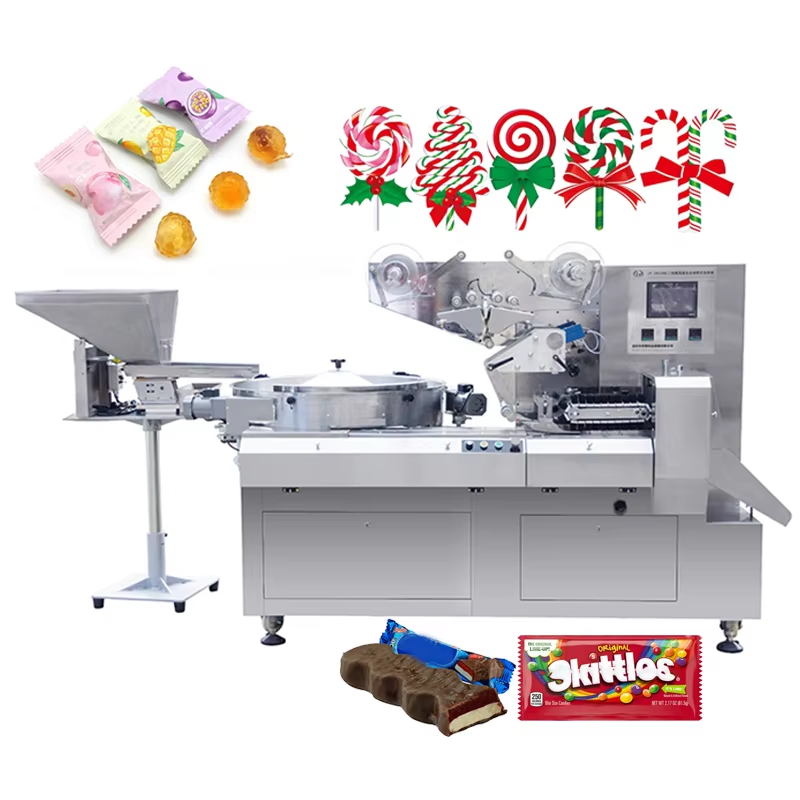
In food manufacturing, protecting product integrity from the moment of production to the point of sale is a non-negotiable priority. A flow packing machine plays a central role in achieving this goal by creating a sealed, hygienic barrier around individual products, dramatically reducing contamination risks and extending usable shelf life. For food producers handling items such as bread, candy, chocolate, and baked goods, the choice of packaging technology is directly tied to product safety outcomes.
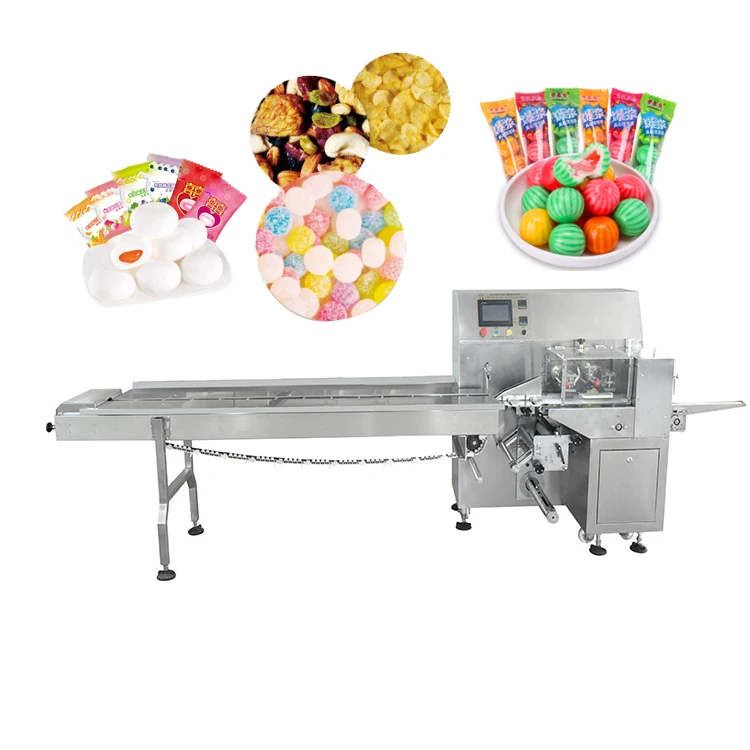
A flow packing machine wraps products in a continuous film that is heat-sealed on all sides, forming a tight pillow-style package. This method eliminates open-air exposure during the packaging process, which is a primary source of microbial contamination in many food production environments. Understanding exactly why this technology improves hygiene and shelf life requires looking at how the machine operates, how it limits contamination pathways, and how seal integrity directly impacts product freshness over time.
The Hygiene Mechanism of a Flow Packing Machine
Minimizing Human and Environmental Contact
One of the most significant hygiene advantages of a flow packing machine is its ability to reduce direct human contact with the product. In manual or semi-automated lines, operators frequently handle products at multiple stages, each contact point introducing contamination risk from skin flora, residue, or cross-product transfer. An automatic flow packing machine moves products through an enclosed film-wrapping channel where human hands are not required after product loading.
Beyond human contact, a flow packing machine also limits the product's exposure to airborne particles, dust, and environmental humidity. The wrapping film acts as a physical shield that forms around the product almost instantly upon entry into the packaging zone. This tight encapsulation is especially valuable in facilities that process multiple product types on shared production floors, where cross-contamination from nearby lines is a persistent concern.
Heat-Seal Integrity and Barrier Protection
A flow packing machine applies heat-sealed end folds and a continuous back seal that together create an airtight or modified-atmosphere enclosure depending on the film and gas flush settings used. This seal integrity is the foundation of both hygiene and shelf-life performance. A poorly sealed package allows moisture ingress, oxygen exchange, and potential microbial entry — all factors that accelerate spoilage and compromise safety standards.
When a flow packing machine operates at calibrated sealing temperatures and consistent film tension, it produces uniform seals across every package in the production run. This consistency is difficult to achieve with hand-wrapping or tray-based alternatives. Uniform sealing means that every unit leaving the line has the same barrier quality, which supports reliable shelf-life predictions and reduces the rate of returns or recalls linked to packaging failure.
How Shelf Life Is Extended Through Flow Packing
Oxygen and Moisture Control
The primary enemies of shelf life in packaged foods are oxygen and excess moisture. A flow packing machine can be configured to work with high-barrier films that restrict oxygen permeability, slowing the oxidation of fats, degradation of colors, and growth of aerobic bacteria. For moisture-sensitive products like crackers, wafers, or layered pastries, a flow packing machine using low-moisture-transmission films preserves texture and eating quality far longer than unprotected or loosely wrapped alternatives.
Some configurations of a flow packing machine also support gas flushing, where a controlled atmosphere of nitrogen or carbon dioxide is introduced into the package just before sealing. This displaces residual oxygen and further inhibits spoilage microbiology. For high-value or delicate products, this capability transforms a flow packing machine from a simple wrapper into a shelf-life engineering tool that can meaningfully extend distribution windows without relying on additional preservatives.
Film Selection and Its Role in Freshness
A flow packing machine is compatible with a wide range of packaging films, including polyethylene, polypropylene, laminated structures, and biodegradable options. Each film type offers a different combination of barrier properties, heat-seal behavior, and surface finish. Selecting the right film for a given product is as important as the machine's mechanical settings. A flow packing machine that supports flexible film adjustment allows producers to optimize packaging for specific products without requiring a new machine purchase.
For chocolate and confectionery products, moisture-barrier films prevent bloom caused by humidity absorption. For bread and soft baked goods, films with controlled breathability balance freshness retention against gas buildup from ongoing fermentation. The ability of a flow packing machine to handle these varied film types in a single horizontal format makes it a versatile centerpiece in multi-product food facilities.
Operational Consistency and Food Safety Compliance
Automated Inspection and Rejection Systems
A modern flow packing machine can be integrated with downstream inspection systems including checkweighers, metal detectors, and seal-integrity testers. This integration supports a complete quality assurance loop where each packaged unit is verified before it leaves the production line. Products that fail weight tolerances, contain foreign materials, or show seal defects are automatically rejected without halting the entire production run.
This automated rejection capability is a direct contribution to food safety compliance. Regulatory frameworks in most markets require documented evidence that packaging processes include contamination detection at the point of packing. A flow packing machine with integrated inspection capability makes this documentation straightforward and reduces the manual sampling burden on quality control teams.
Sanitary Design and Cleanability
A flow packing machine designed for food environments typically features stainless steel contact surfaces, tool-free changeover components, and accessible cleaning zones. These design features make daily sanitation faster and more thorough, which is essential in facilities operating under HACCP or similar food safety management frameworks. When cleaning is easier and faster, it is more reliably performed, reducing the risk of biofilm formation or cross-run contamination between product changeovers.
The enclosed film path of a flow packing machine also means that packaging film is never exposed to open workshop conditions before it contacts the product. This detail, often overlooked, is an important hygiene safeguard in dusty or humid production environments. Together, the machine's sanitary construction and operational design reinforce the hygiene benefits that the wrapping process itself provides.
FAQ
What types of products are best suited for a flow packing machine?
A flow packing machine is well-suited for regularly shaped solid or semi-solid products including candy bars, bread rolls, biscuits, chocolate blocks, and individually portioned baked goods. Products with consistent dimensions feed more reliably and produce tighter, more uniform seals.
How does a flow packing machine compare to tray-sealing for hygiene?
A flow packing machine fully encloses the product in a continuous film wrap, while tray-sealing applies a lidding film over an open tray. Both offer hygiene benefits, but a flow packing machine often provides better contact-surface reduction and faster per-unit throughput for products that do not require rigid base support.
Can a flow packing machine handle modified atmosphere packaging?
Yes, many configurations of a flow packing machine support gas flushing to enable modified atmosphere packaging. This feature extends shelf life by reducing oxygen inside the sealed package, and it is commonly used for bakery, confectionery, and processed food products where oxidation or microbial growth is a concern.