
 EN
EN
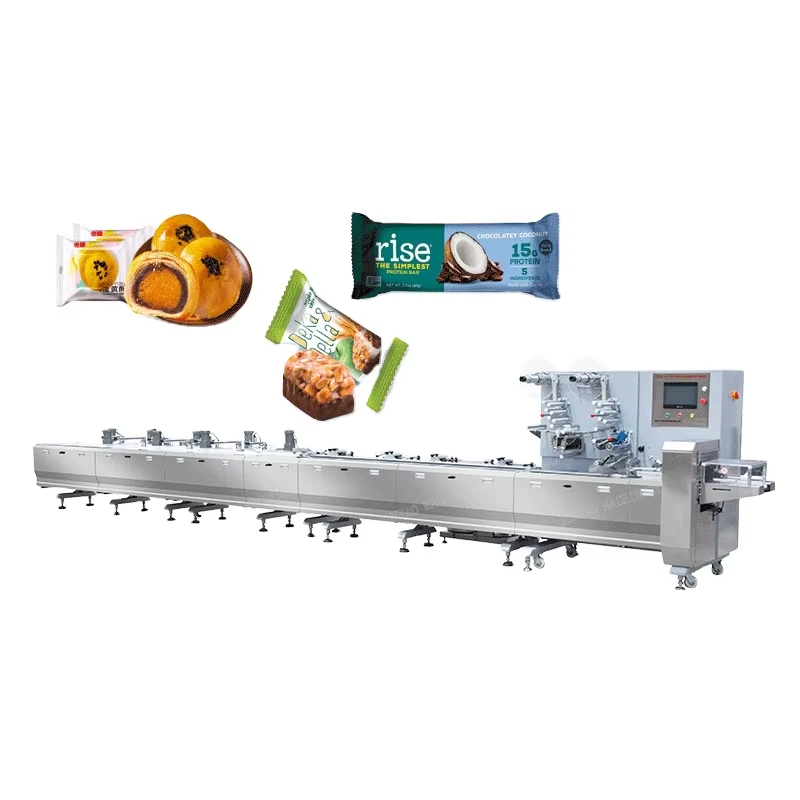
In high-speed manufacturing environments, packaging is rarely seen as the bottleneck — until it becomes one. A flow packing machine addresses this challenge directly by enabling continuous, high-throughput wrapping that keeps pace with upstream production. Whether you are packaging food products, medical supplies, or consumer goods, the flow packing machine has become a cornerstone of modern production lines that demand both speed and reliability.
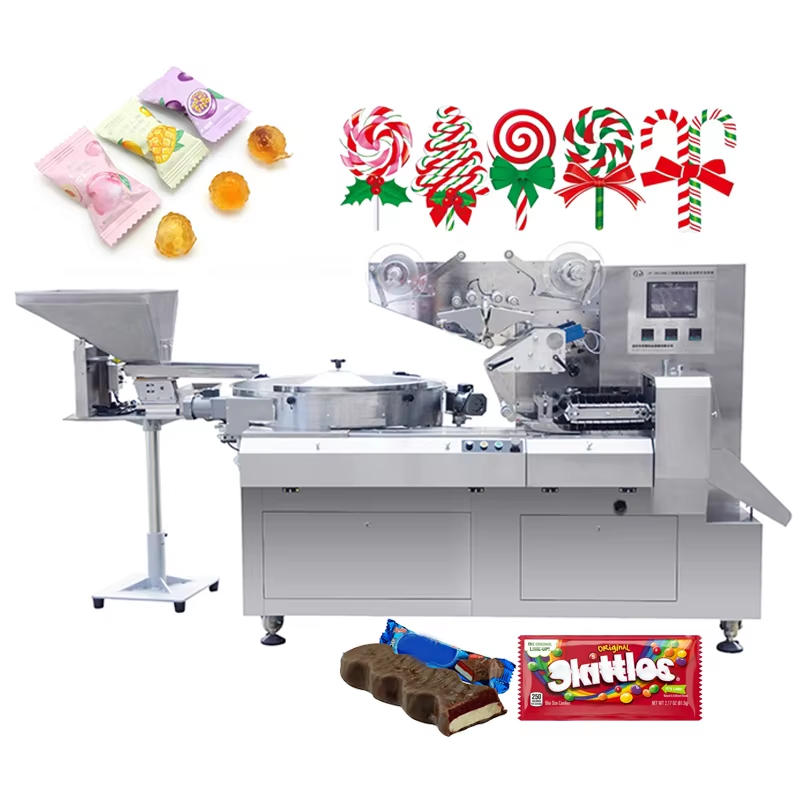
The demand for faster output without sacrificing seal quality has made the flow packing machine a strategic investment for manufacturers worldwide. Understanding why this equipment is essential requires a closer look at how a flow packing machine functions under real production conditions, what it delivers in terms of efficiency, and how it integrates with the broader packaging workflow. Each of these dimensions reveals why the flow packing machine is not simply a convenience but a production necessity.
The Core Mechanics Behind a Flow Packing Machine
How Horizontal Flow Wrapping Works
A flow packing machine operates on a horizontal wrapping principle where products are fed in a continuous stream along a conveyor, wrapped in a film tube, and sealed at both ends to form a pillow-style package. The flow packing machine pulls flexible film from a reel, forms it around the product, and completes both the fin seal along the bottom and the cross seals at each end — all in one smooth, uninterrupted motion. This continuous process is what allows a flow packing machine to achieve packaging speeds that manual or semi-automatic alternatives simply cannot match.
Advanced versions of the flow packing machine use servo motor technology to control film tension, sealing pressure, and conveyor synchronization with high precision. A flow packing machine equipped with multiple servo drives can automatically adjust to different product lengths and film types without requiring extensive manual reconfiguration. This adaptability makes the flow packing machine practical for production environments where SKU variety is high and downtime between changeovers must be minimized.
Sealing Integrity at High Throughput
One of the most critical performance metrics for any flow packing machine is the quality of the seal produced at speed. At high throughput rates, a flow packing machine must maintain consistent sealing temperature, dwell time, and pressure across every single package cycle. When these variables drift, seal failures increase, leading to product exposure, contamination risk, and downstream rework costs. A well-engineered flow packing machine manages these variables automatically, using closed-loop controls to keep seal quality stable even when running at maximum capacity.
Why Speed and Efficiency Depend on the Flow Packing Machine
Eliminating the Packaging Bottleneck
In a high-speed production facility, every station in the line must match the pace of the fastest upstream process. When the flow packing machine cannot keep up, finished products accumulate, buffers overflow, and the entire line slows down. A correctly specified flow packing machine removes this constraint by handling hundreds of packages per minute without interruption. The flow packing machine synchronizes with upstream equipment such as slicers, forming machines, and weighers to maintain a steady, unbroken production rhythm.
The economic impact of a capable flow packing machine is significant. Faster packaging means more units processed per shift, which directly reduces the cost per packaged unit. When a flow packing machine runs at its rated speed without frequent stops, manufacturers gain measurable improvements in overall equipment effectiveness. This is why many production planners treat the selection of a flow packing machine as a line-level capacity decision rather than just an equipment purchase.
Reducing Labor and Operational Costs
Automating the wrapping process with a flow packing machine significantly reduces the number of manual touchpoints required in the packaging zone. Before a flow packing machine is installed, many operations rely on manual wrapping stations that are slow, inconsistent, and physically demanding for workers. A single flow packing machine can replace multiple manual wrapping positions while simultaneously increasing output volume. The labor savings from a flow packing machine compound over time, making the return on investment easier to justify across a wide range of production scales.
Beyond direct labor reduction, a flow packing machine also lowers film waste through tighter control of film feed and cut length. When a flow packing machine is properly calibrated to the product dimensions, it uses only the film needed for each package with minimal tail waste. This film efficiency is an underappreciated financial benefit of the flow packing machine, particularly in operations using specialty or printed films where material costs are elevated.
Integration and Flexibility of the Flow Packing Machine
Compatibility with Diverse Product Types
A flow packing machine is not limited to a single product category. From baked goods and confectionery to hardware components and pharmaceutical blister packs, the flow packing machine accommodates a wide range of product shapes, sizes, and surface characteristics. The key is that a flow packing machine must be configured with the appropriate infeed mechanism — whether a lug chain, flat belt, or top-pressure conveyor — to suit the specific product being wrapped. Choosing the right infeed configuration ensures that the flow packing machine handles delicate or irregularly shaped products without damage or misalignment.
Modern flow packing machine designs also support quick-release tooling and recipe-based settings that allow operators to switch between product formats in minutes. This flexibility means a single flow packing machine can serve multiple production lines or shift seamlessly between seasonal product variants. For manufacturers dealing with frequent product launches or short production runs, a versatile flow packing machine reduces the capital investment needed for dedicated packaging equipment on each line.
Connecting the Flow Packing Machine to the Broader Line
A flow packing machine rarely operates in isolation. It connects to upstream feeding systems, downstream checkweighers, metal detectors, and case packers to form an integrated production line. The flow packing machine typically communicates with these adjacent systems through digital I/O signals or industrial network protocols, allowing the entire line to respond to faults or speed changes as a coordinated unit. When a flow packing machine is properly integrated, a fault signal from a downstream checkweigher can automatically pause the flow packing machine feed, preventing the buildup of rejected packages and reducing unnecessary film consumption.
Line integration also enables data collection from the flow packing machine for production monitoring and quality reporting. Operators can track flow packing machine output rates, seal temperature logs, and film usage in real time, enabling proactive maintenance decisions before minor issues escalate into unplanned stoppages. This level of operational visibility makes the flow packing machine not only a speed asset but also a source of actionable production intelligence.
FAQ
What types of products are best suited for a flow packing machine?
A flow packing machine is well suited for products with a consistent cross-section that can be fed in a single lane, including baked goods, candy bars, frozen items, hardware parts, and medical devices. Products that are rigid or semi-rigid tend to run most reliably on a flow packing machine, though soft or fragile items can also be handled with the right infeed support. The versatility of the flow packing machine makes it applicable across food, pharmaceutical, and industrial packaging sectors.
How fast can a modern flow packing machine operate?
A high-speed flow packing machine can typically achieve between 100 and 600 packages per minute depending on the product size, film type, and seal configuration. Servo-driven flow packing machine models offer the highest speeds because they maintain precise control of film feed and sealing cycles at elevated throughput rates. The actual speed of a flow packing machine in production depends on the product infeed consistency and the reliability of upstream feeding equipment.
What maintenance does a flow packing machine require to stay at peak performance?
Regular maintenance for a flow packing machine includes cleaning the sealing jaws to remove film residue, inspecting drive belts and conveyors for wear, and verifying that temperature sensors and servo calibrations remain within specification. A well-maintained flow packing machine will deliver consistent seal quality and minimize unplanned downtime. Most manufacturers recommend a preventive maintenance schedule for the flow packing machine based on operating hours rather than calendar intervals to reflect actual machine wear.