
 EN
EN
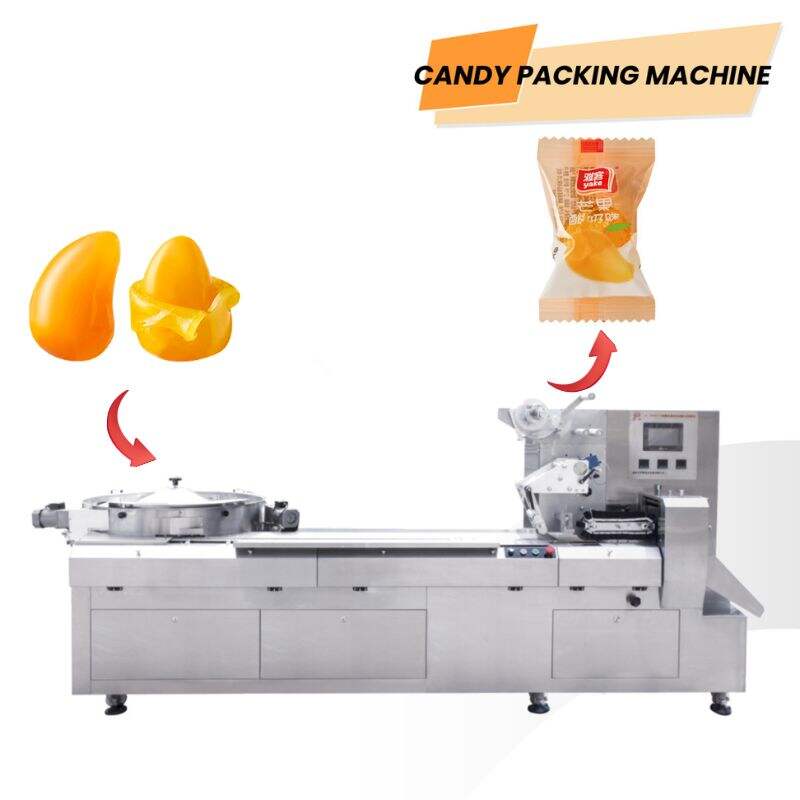
Faster Throughput: How Candy Packaging Machines Scale Production Speed
Units per Minute: Automated vs. Manual Gummy Packaging Performance
When it comes to packing gummies by hand, there's just no getting around the limitations of human bodies. Skilled workers can manage about 30 to 40 units every minute, but after around 90 minutes on the job, their speed starts to drop off as fatigue sets in. Automated candy packaging machines tell a different story entirely. These modern systems can keep going at over 200 pieces per minute without breaking a sweat. Take horizontal form fill seal (HFFS) machines for instance. With their servo-driven controls, they stay accurate even when running fast, cutting down those pesky alignment issues by roughly 35 to 40 percent compared to what humans can do. What really makes these systems stand out though are the built-in vision inspection tech that spots problems with seals or weights right away. This keeps quality consistent without holding things back. And let's face it, nobody wants to hire more people just because production needs jump up. These machines eliminate all that guesswork from manual work, delivering packages that look the same every time while handling big orders without needing extra hands on deck.
Handling Seasonal Peaks: Output Stability Under High-Demand Conditions
The big spikes in demand during holidays like Halloween, Christmas, and Easter really show how weak manual operations can be. Companies end up scrambling with temporary workers, longer hours for existing staff, and all sorts of scheduling issues when things get busy. Candy packaging automation solves these problems completely. These machines run nonstop at top speed with almost no need for someone to watch them constantly. They also adjust themselves on the fly when materials change thanks to smart tension controls built right in. What does this mean? Consistent seals and uniform packaging even when running round the clock. Manufacturers stop running out of product during those crucial selling periods and keep defects under half a percent most of the time. That kind of reliability protects their brand image and keeps profits stable in an industry where everything moves so fast.
Lower Labor Costs and Higher Operational Efficiency
Reduction in Direct Labor Hours and Associated Overhead Savings
When companies automate those repetitive tasks like wrapping products, sealing containers, counting items, and sorting materials, they typically replace around three to five manual workers per machine. This cuts down on direct labor time by roughly 70% without compromising product quality. The savings go well beyond just payroll expenses. Training costs for temporary staff go way down, there's less need for supervisors during different shifts, and insurance premiums related to worker compensation start dropping too. We've seen injury rates from repetitive motions fall by almost half in some facilities after automation. Operations run smoother when shift change delays disappear and quality issues caused by tired workers become rare occurrences. What's more, employees who were previously doing these basic tasks now handle things like scheduling equipment maintenance checks or monitoring production lines in real time, which boosts overall productivity even more. Plus, factories take up less space and use fewer utilities, making them easier to manage and adapt as business needs change.
Superior Consistency and Quality Control with Candy Packaging Machines
Seal Integrity, Weight Accuracy, and Defect Rate Reduction
Candy packaging machines that are automated really boost precision when it comes to three main quality factors. For starters, the heat sealing part keeps temperatures right around plus or minus 1 degree Celsius. This makes sure the packages form tight seals so nothing gets in like moisture or contaminants that would shorten how long the product stays fresh. Then there are those weighing systems with multiple heads. They can detect weight differences down to less than a tenth of a gram. This means companies don't end up giving away extra product accidentally, which saves money and meets FDA requirements about what's listed on the package. The third big improvement comes from vision systems working alongside automatic rejection units. These setups slash defects by more than 80 percent. They spot issues like crooked wrappers, bad seals, or even tiny bits of stuff that shouldn't be there before anything actually ships out. All told, these features help cut down on wasted materials by around 30% and almost completely stop those annoying customer complaints about broken seals or uneven sizes. What was once just another expense in quality control now becomes something that actually gives companies an edge in the marketplace.
True Efficiency: Total Cost of Ownership for Candy Packaging Machines
Balancing Upfront Investment Against Downtime, Maintenance, and Training
Looking at total cost of ownership (TCO) gives manufacturers a complete picture of what candy packaging automation really costs beyond just the sticker price. Downtime, maintenance needs, employee training, and ongoing energy expenses all add up over time. What many companies discover is that cheaper equipment upfront usually means paying more later. For instance, unexpected machine stoppages can drain around half a million dollars each year according to those who responded to a recent PMMI survey. Older systems just keep breaking down more often too, and new staff take forever to get up to speed with them. Better quality machines tell a different story though. They need about 40 percent fewer fixes and train operators much faster because their interfaces are so user-friendly. The energy savings alone are impressive too modern packaging lines use roughly 30% less electricity compared to equipment made ten years back. When companies factor in all these costs when calculating return on investment, they avoid unpleasant surprises down the road where budgets quietly disappear.
FAQ
Why are candy packaging machines faster than manual packing?
Candy packaging machines are designed to operate at significantly higher speeds than manual packing. Automated systems, like horizontal form fill seal machines, can manage over 200 pieces per minute thanks to servo-driven controls that maintain precision even at high speeds. This vastly surpasses the roughly 30 to 40 units per minute that skilled workers can handle manually.
How do candy packaging machines help during peak demand seasons?
Candy packaging machines are beneficial during peak demand seasons, such as holidays, because they can operate continuously at maximum speed without needing constant supervision. Smart tension controls allow them to adapt to changing materials, ensuring consistent seals and uniform packaging around the clock. This helps manufacturers avoid running out of product and maintain a low defect rate.
What are the cost-saving benefits of using candy packaging machines?
Automating repetitive tasks with candy packaging machines reduces direct labor hours, minimizing payroll expenses and associated overhead costs. Companies typically replace three to five manual workers per machine, decreasing labor time by roughly 70%. Additional savings come from lower training costs, reduced need for supervision, and decreased insurance premiums related to worker compensation.
How do candy packaging machines improve quality control?
Automated candy packaging machines enhance quality control through precise operations. They maintain consistent heat sealing temperatures to prevent contamination, weigh products with high accuracy to meet FDA requirements, and employ vision systems and automatic rejection units to minimize defects by over 80%.
Table of Contents
- Faster Throughput: How Candy Packaging Machines Scale Production Speed
- Lower Labor Costs and Higher Operational Efficiency
- Superior Consistency and Quality Control with Candy Packaging Machines
-
True Efficiency: Total Cost of Ownership for Candy Packaging Machines
- Balancing Upfront Investment Against Downtime, Maintenance, and Training
- FAQ
- Why are candy packaging machines faster than manual packing?
- How do candy packaging machines help during peak demand seasons?
- What are the cost-saving benefits of using candy packaging machines?
- How do candy packaging machines improve quality control?