Food Packaging Equipment Solutions & Technology

All Categories

food packaging equipment

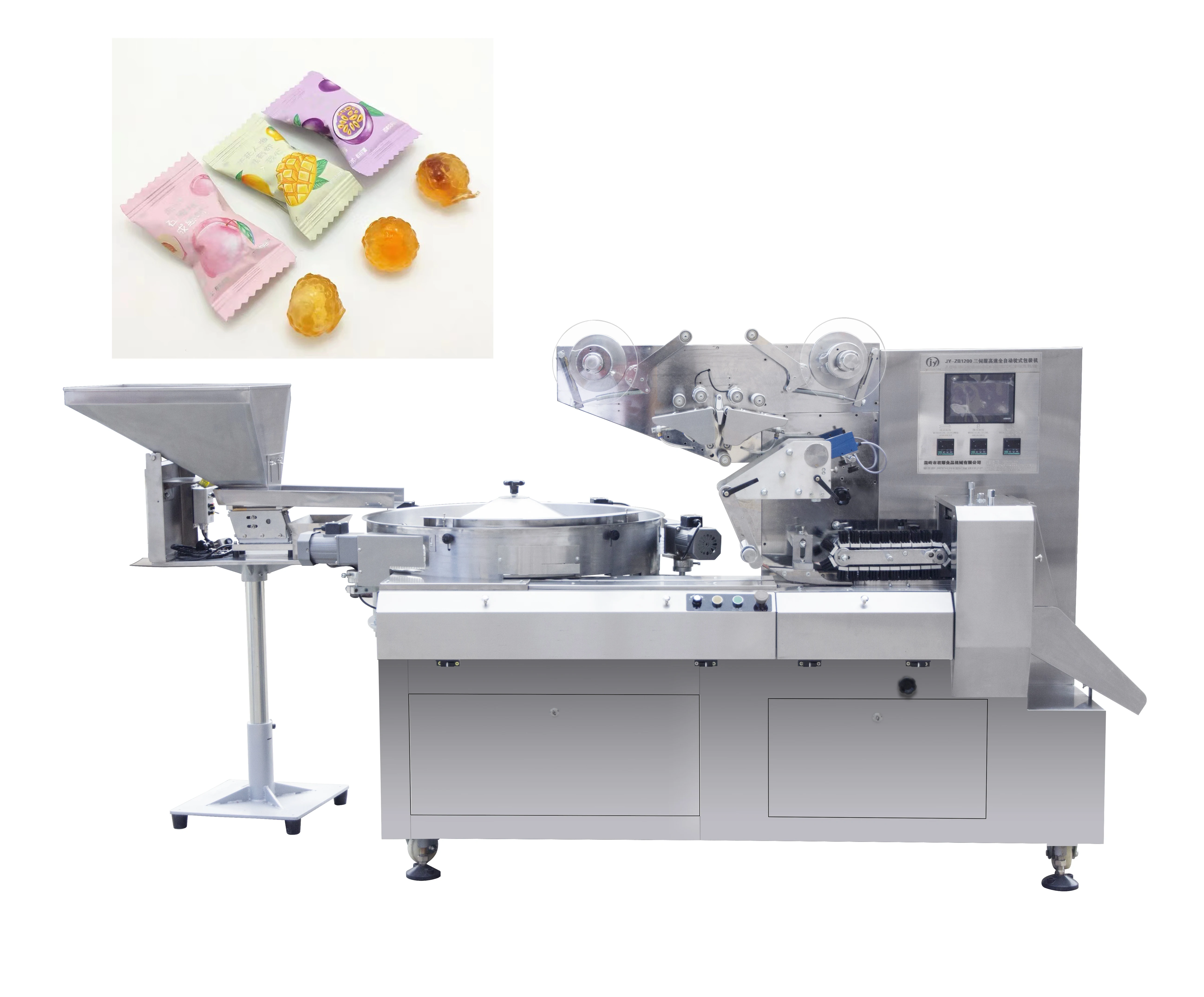
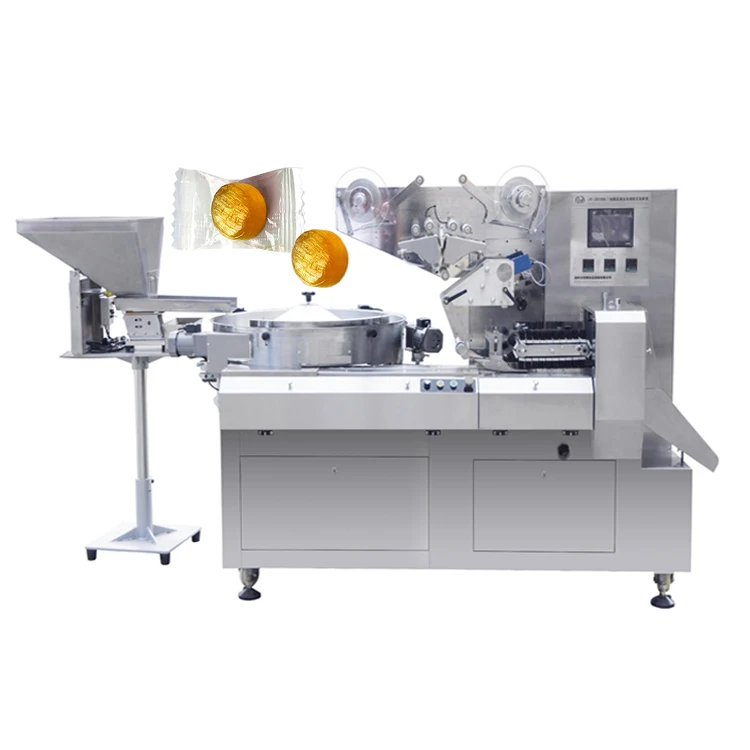
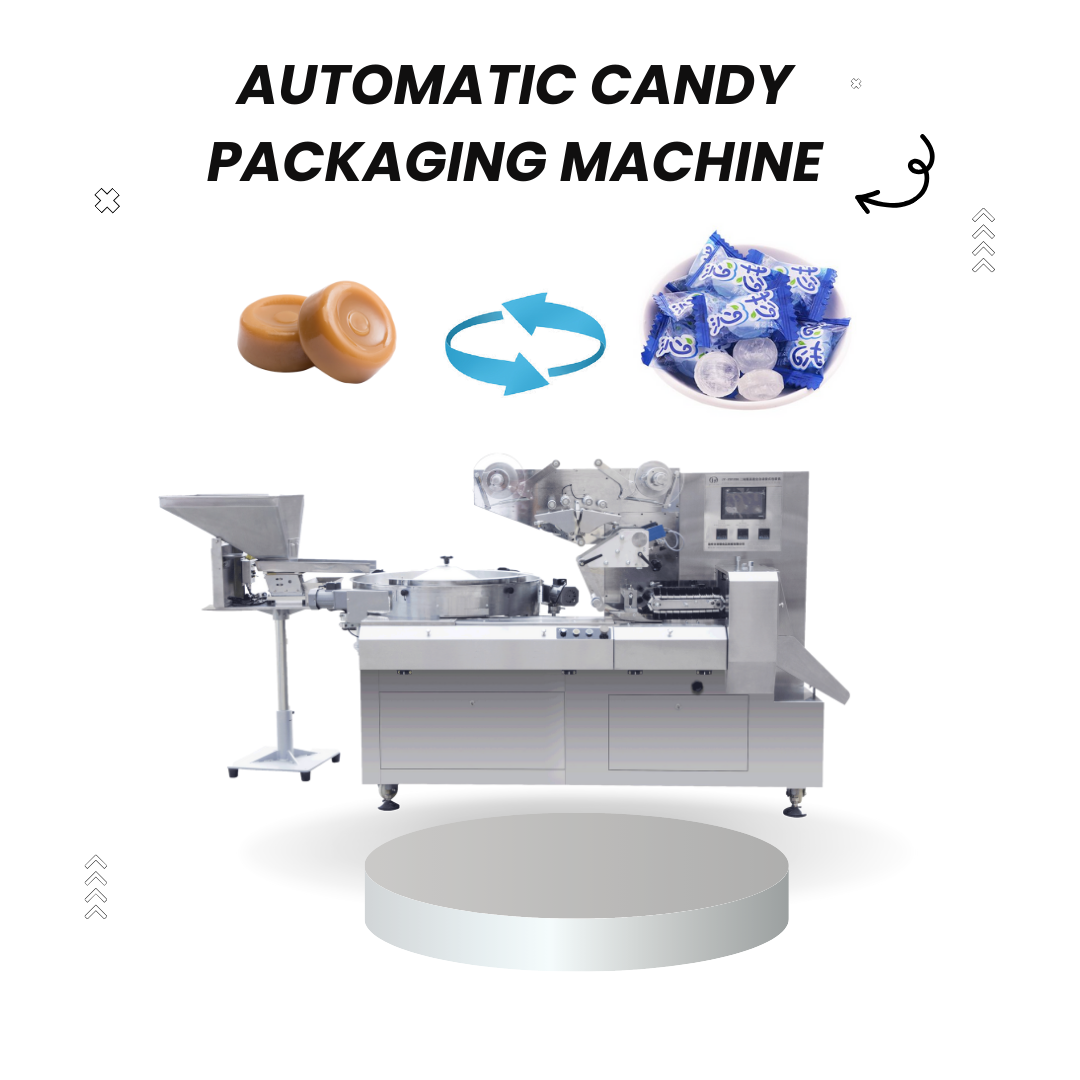
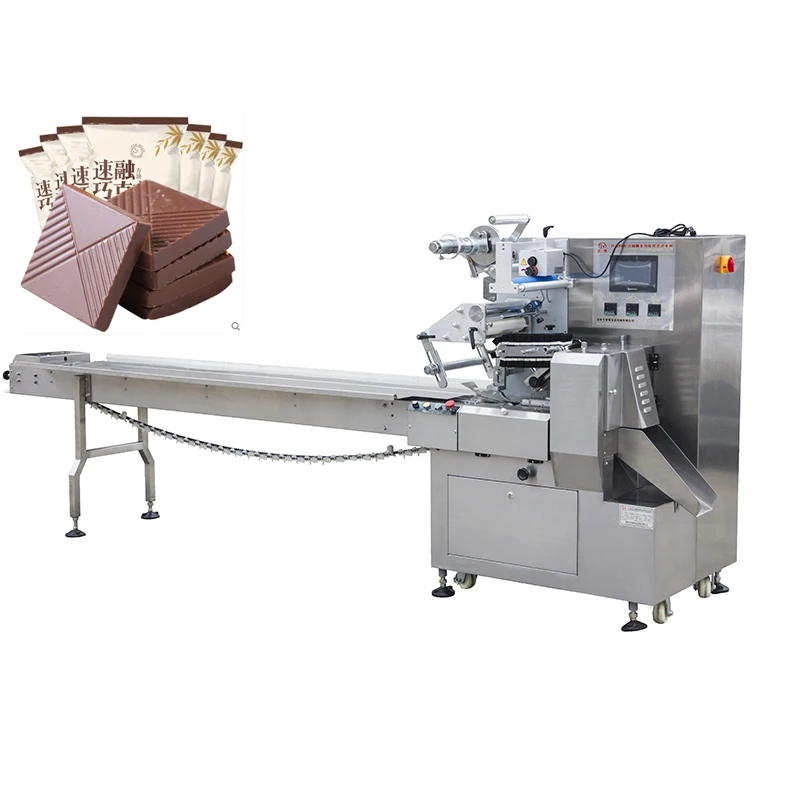
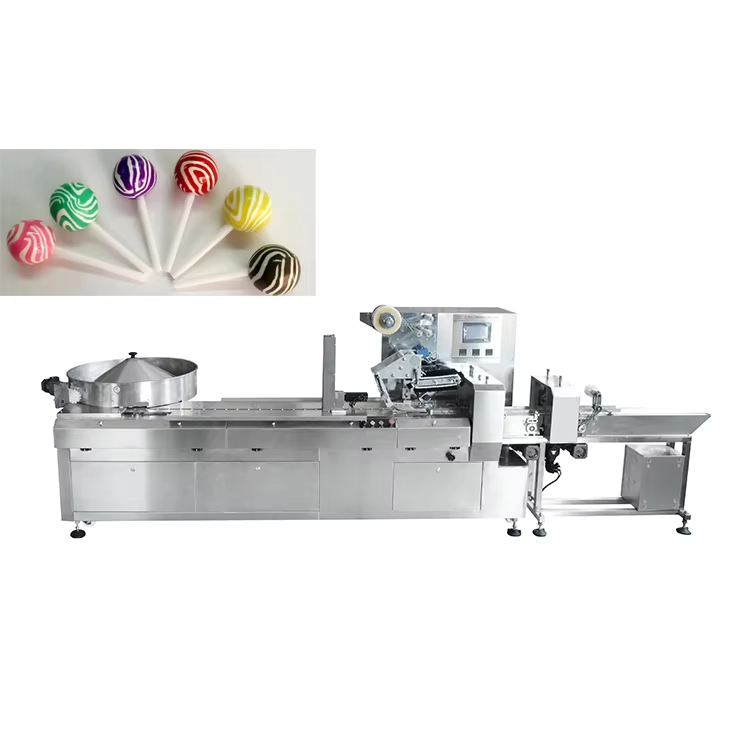
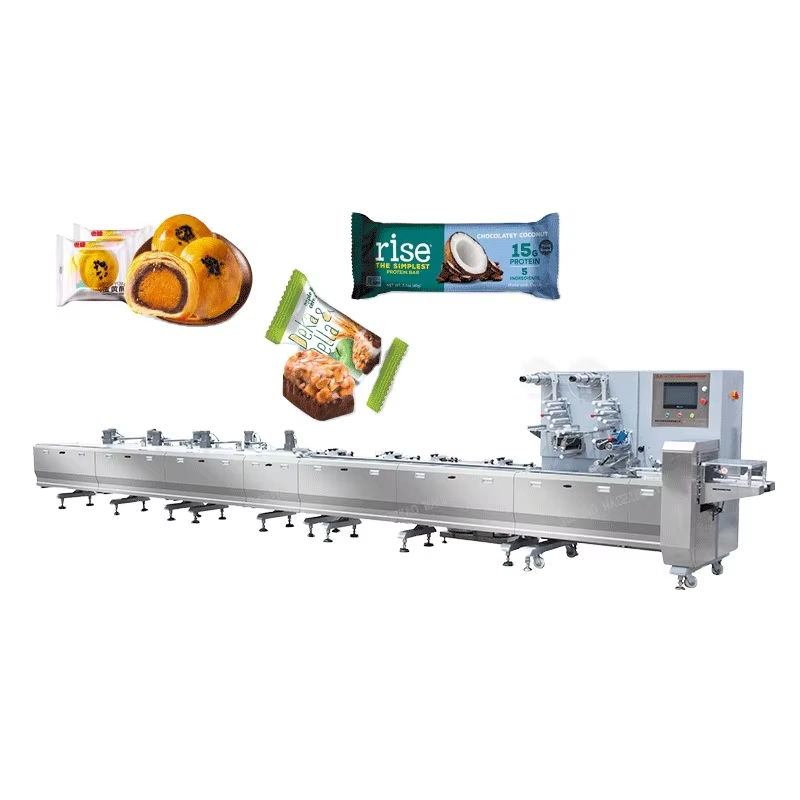
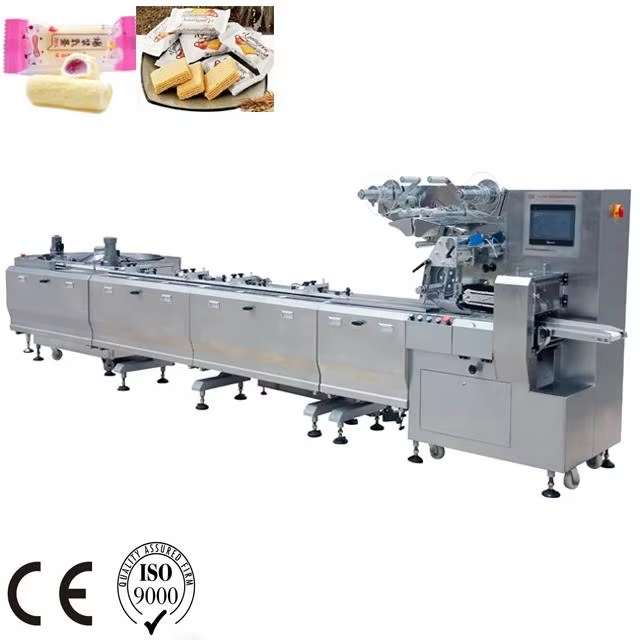
Food packaging equipment represents essential machinery designed to automate and streamline the packaging process for various food products across the manufacturing and processing industries. This sophisticated equipment encompasses a wide range of machines including filling systems, sealing devices, wrapping machines, labeling units, and complete integrated packaging lines. Modern food packaging equipment incorporates advanced technology to ensure precise portion control, consistent package quality, and optimal product preservation while maintaining strict hygiene standards. These machines handle diverse packaging materials such as plastic films, aluminum foil, cardboard, and biodegradable materials, adapting to different food types from liquids and powders to solid items and fresh produce. The equipment operates through automated controls that regulate speed, temperature, and sealing pressure to create airtight packages that extend shelf life and protect contents from contamination. Food packaging equipment serves multiple industries including dairy, meat processing, bakery, snack foods, beverages, and ready-to-eat meals. With capabilities ranging from small-scale operations to high-volume production lines, this equipment significantly reduces manual labor while increasing output efficiency. The integration of smart sensors and programmable logic controllers enables real-time monitoring and adjustment, ensuring consistent packaging quality throughout production runs. By combining precision engineering with food-safe materials and compliance with international safety regulations, food packaging equipment has become indispensable for businesses seeking to maintain product integrity, reduce waste, and meet consumer demands for quality packaged foods.

New Product Recommendations

Investing in quality food packaging equipment delivers substantial operational benefits that directly impact your bottom line and market competitiveness. These machines dramatically increase production speed, allowing businesses to package hundreds or thousands of units per hour compared to manual methods, which translates to faster order fulfillment and improved revenue potential. The precision offered by automated food packaging equipment ensures consistent portion sizes and package weights, reducing product giveaway and minimizing material waste that can significantly affect profit margins over time. Enhanced product protection represents another critical advantage, as properly sealed packages prevent contamination, moisture intrusion, and oxidation, extending shelf life and reducing costly product returns or spoilage. Food packaging equipment improves workplace safety by minimizing repetitive manual tasks that can lead to employee injuries, while also reducing direct human contact with food products to maintain superior hygiene standards. The versatility of modern machines allows quick changeovers between different package sizes and formats, enabling businesses to respond rapidly to market demands and seasonal variations without extensive downtime. Energy-efficient designs and optimized material usage contribute to lower operational costs and support sustainability initiatives that resonate with environmentally conscious consumers. For businesses of all sizes, food packaging equipment provides scalability, allowing operations to start with semi-automatic systems and upgrade to fully automated lines as production demands grow. The integration capabilities with existing production systems create seamless workflows from processing through final packaging, eliminating bottlenecks and improving overall facility efficiency. Long-term reliability and reduced maintenance requirements ensure consistent operation with minimal interruption, protecting your production schedule and customer commitments while delivering measurable return on investment through increased throughput and reduced labor costs.

Tips And Tricks

Why Confectionery Packaging Equipment Is a Game-Changer for Small Businesses

03

Mar

Why Confectionery Packaging Equipment Is a Game-Changer for Small Businesses

How Candy Packaging Machines Slash Labor Costs and Boost Output Cutting Labor Expenses by 40–60% Through Semi-Automated Packaging Wrapping, sealing, and labeling candies by hand takes a lot of work from people all day long. These tasks are prone to m...
View More
Why Flow Wrapping Equipment Is Ideal for Food, Confectionery, and Pharma Industries

11

May

Why Flow Wrapping Equipment Is Ideal for Food, Confectionery, and Pharma Industries

Core Applications of Flow Packing Machines Across Key Industries Food Industry: High-speed freshness preservation and inline integration with fillers and conveyors In the food sector, flow packing machines extend shelf life through airtight seals t...
View More
Why China Pillow Packing Machines Are Ideal for Small and Large Biscuit Producers

16

May

Why China Pillow Packing Machines Are Ideal for Small and Large Biscuit Producers

Scalable Performance: One Pillow Packing Machine for Every Production Tier From Artisanal to Industrial: Matching 20–500 Biscuits/Minute Without Replatforming A single pillow packing machine can serve biscuit producers across all scales&mdash...
View More
How Horizontal Pillow Packing Machines Reduce Labor Costs and Material Waste

26

May

How Horizontal Pillow Packing Machines Reduce Labor Costs and Material Waste

Labor Cost Reduction with Horizontal Pillow Packing Machines Automated Feeding, Forming, and Sealing Cuts Manual Labor by 60–75% Horizontal pillow packing machines automate the full packaging sequence—feeding products into film webs, fo...
View More

Get a Free Quote

Our representative will contact you soon.
Name
Email
Required Product
Message
0/1000

food packaging equipment

Advanced Automation Technology for Consistent Quality

Advanced Automation Technology for Consistent Quality

Modern food packaging equipment incorporates cutting-edge automation technology that revolutionizes packaging operations through intelligent control systems and precision mechanics. These advanced machines utilize programmable logic controllers and touchscreen interfaces that allow operators to easily adjust parameters such as filling volumes, sealing temperatures, and conveyor speeds with exceptional accuracy. Servo motor systems provide precise movement control, ensuring packages receive exact product quantities while minimizing spillage and waste. Integrated vision systems and quality control sensors continuously monitor package integrity, automatically detecting and rejecting defective units before they enter distribution channels. This automation eliminates human error and variability that commonly affects manual packaging processes, delivering uniform package appearance and weight consistency that strengthens brand reputation. The technology also enables recipe storage for different products, allowing rapid switching between packaging configurations without complex manual adjustments. Real-time data collection and reporting capabilities provide valuable production insights, helping managers identify optimization opportunities and maintain compliance documentation. By combining mechanical precision with digital intelligence, food packaging equipment equipped with advanced automation technology ensures every package meets exact specifications while maximizing production efficiency and minimizing operational costs through reduced material waste and labor requirements.
Hygienic Design Meeting Stringent Food Safety Standards

Hygienic Design Meeting Stringent Food Safety Standards

Food packaging equipment manufactured with hygienic design principles addresses the critical need for food safety and regulatory compliance in today's demanding market environment. These machines feature stainless steel construction with smooth, crevice-free surfaces that prevent bacterial accumulation and facilitate thorough cleaning between production runs. Sealed electrical components and IP-rated enclosures protect sensitive electronics from washdown procedures while maintaining sanitary conditions throughout the packaging area. The equipment incorporates tool-free disassembly features for quick access to contact parts, enabling efficient cleaning and sanitization without complicated procedures that consume valuable production time. Sloped surfaces and strategic drainage points prevent liquid pooling that could harbor contaminants, while FDA-approved materials ensure all product contact surfaces meet strict food safety requirements. This hygienic design approach significantly reduces cross-contamination risks when switching between different products or allergen-containing items. The equipment complies with international standards including HACCP, GMP, and FDA regulations, providing documentation and validation support for certification audits. Built-in Clean-In-Place systems available on many models automate sanitization processes, ensuring consistent hygiene standards while reducing manual labor and chemical consumption. By prioritizing food safety through thoughtful engineering and material selection, this food packaging equipment protects consumer health, safeguards brand reputation, and helps businesses maintain certifications essential for market access and customer confidence.
Flexible Configuration for Diverse Product Applications

Flexible Configuration for Diverse Product Applications

The remarkable flexibility of modern food packaging equipment enables businesses to handle an extensive variety of products and packaging formats within a single production facility, maximizing capital investment value. These adaptable machines accommodate different package types including pouches, bags, trays, cups, bottles, and cartons through interchangeable tooling and adjustable forming stations that require minimal changeover time. Product handling systems are engineered to gently process delicate items like baked goods and fragile snacks while also managing liquids, pastes, granules, and irregularly shaped foods with equal efficiency. Variable speed controls and adjustable fill mechanisms allow precise customization for different product characteristics and package sizes, from single-serve portions to bulk family packs. Modular equipment design permits incremental capability expansion, letting businesses add functions such as gas flushing, vacuum sealing, or date coding as requirements evolve without replacing entire systems. The food packaging equipment integrates seamlessly with upstream processing equipment and downstream case packing systems, creating cohesive production lines that optimize workflow efficiency. Multi-lane configurations multiply output capacity while maintaining compact footprints suitable for space-constrained facilities. This flexibility proves invaluable for contract packagers serving multiple clients and food manufacturers developing new product lines, providing the agility to pursue market opportunities without substantial additional capital investment while maintaining consistent quality across diverse applications and production volumes.
Newsletter
Please Leave A Message With Us