
 EN
EN
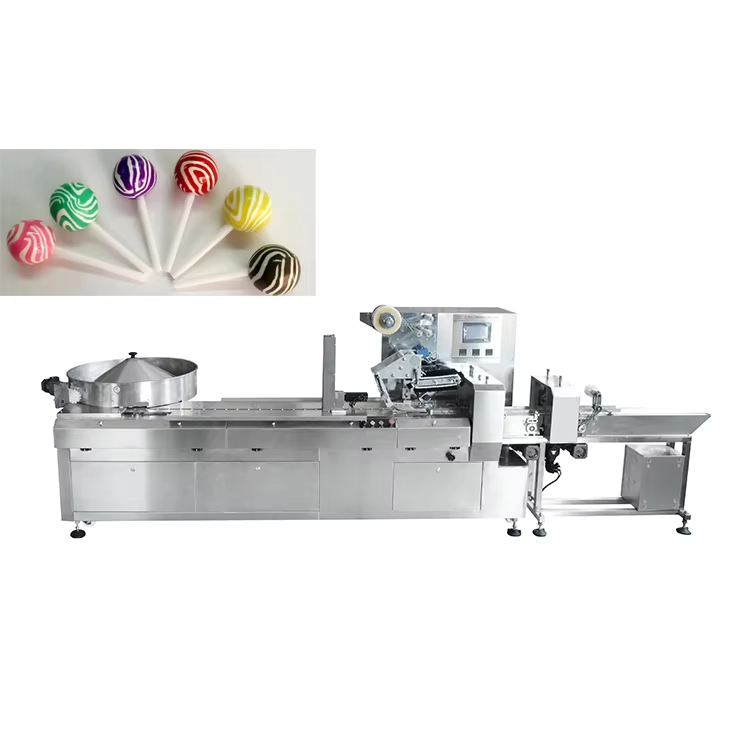
In high-volume production environments, packaging efficiency directly shapes profitability. A flow packing machine addresses two of the most persistent cost drivers in packaging operations: excessive manual labor and unnecessary material consumption. By automating the wrap, seal, and cut cycle at high speed, a flow packing machine transforms what once required several operators into a continuous, precision-controlled process. Understanding exactly how these machines achieve those savings helps decision-makers justify investment and optimize their production lines.
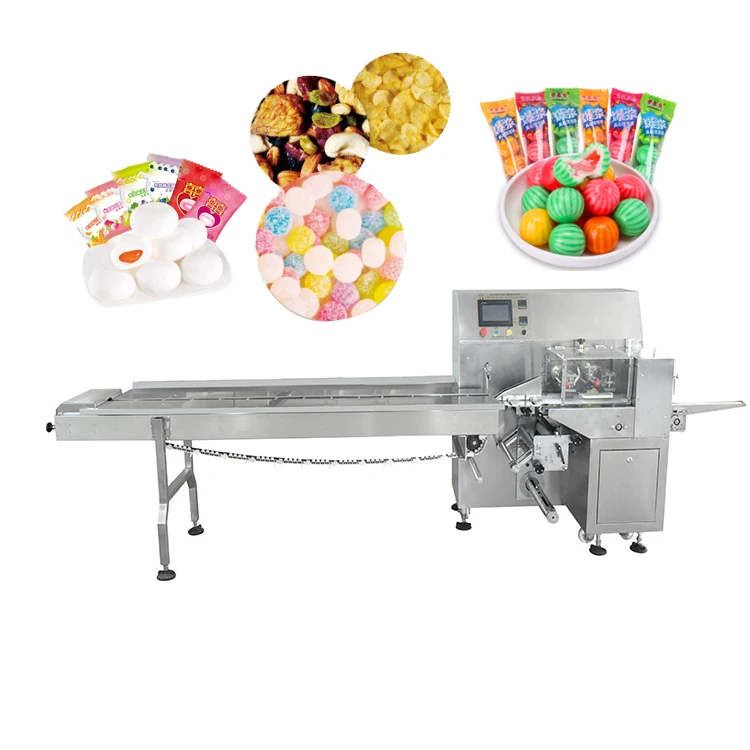
The core value of a flow packing machine lies in its ability to handle diverse product types — from food items like bread, candy, and chocolate to non-food goods — while maintaining consistent output quality. Each cycle of a flow packing machine is governed by programmable parameters, which means film tension, seal temperature, and cutting position are all controlled with repeatable accuracy. This consistency is what enables measurable reductions in both staffing requirements and packaging film waste across every production shift.
How a Flow Packing Machine Reduces Labor Dependency
Replacing Manual Wrapping Stations
Traditional packaging lines rely on workers to manually place, wrap, and seal each product. A flow packing machine replaces this multi-person process with a single automated unit that operates continuously without fatigue. One flow packing machine can typically replicate the output of four to six manual wrapping stations, depending on product size and line speed. This direct substitution of labor is the most immediate cost reduction businesses experience after installation.
Beyond headcount reduction, a flow packing machine also eliminates the variability that comes with manual handling. Human operators apply different film tension, produce inconsistent seal quality, and work at variable pace throughout a shift. A flow packing machine applies identical parameters to every package, which reduces rework, rejected units, and downstream quality failures. Fewer errors mean less time spent on correction and less labor allocated to inspection.
Enabling Continuous Unattended Operation
A modern flow packing machine is designed for extended unattended runs. With automatic film splicing, roll change alerts, and fault detection systems, a flow packing machine can maintain output without a dedicated operator standing by at all times. One supervisor can manage multiple flow packing machine units simultaneously, which multiplies the labor efficiency gain across a facility. This capability is especially valuable in operations running multiple shifts, where labor cost per unit falls significantly the longer the flow packing machine operates without intervention.
Material Waste Reduction Through Precision Film Control
Accurate Film Feed and Tension Management
One of the most direct ways a flow packing machine reduces material waste is through precise film feed control. Each flow packing machine uses servo-driven or stepper motor systems to advance the film by an exact measured length per cycle. This eliminates the over-feed that commonly occurs in manual or semi-automatic operations, where operators pull more film than necessary to avoid short seals. With a flow packing machine, every package uses only the film length required, and that precision compounds into significant material savings at scale.
Film tension is equally important. A flow packing machine maintains consistent tension throughout the roll, preventing wrinkles, tears, and misaligned seals that would waste both film and the product inside. When film is applied under controlled tension by a flow packing machine, seal integrity is higher, which also reduces the rate of packages rejected for appearance or leakage. Every rejected package represents lost material and lost product, so reducing that rate through a flow packing machine delivers compounding savings.
Product-Specific Parameter Programming
A flow packing machine allows operators to store product-specific recipes in its control system. When switching between product sizes or film types, the flow packing machine recalls the correct seal temperature, cutting position, and feed length instantly. This eliminates the trial-and-error film waste that occurs during manual changeovers, where operators run test packages until the machine stabilizes. A properly programmed flow packing machine reaches optimal output quality within the first few cycles of a new run, making changeover waste negligible compared to older packaging approaches.
Operational and Financial Impact Across Production Scales
Scale Effects on Cost per Package
The financial impact of a flow packing machine grows as production volume increases. At low volumes, the labor and material savings may cover operational costs within a reasonable payback period. At high volumes, the flow packing machine's fixed operating cost is spread across far more units, pushing the cost per package down considerably. Industries like confectionery, bakery, and fresh produce rely on the flow packing machine precisely because their margins depend on packaging cost efficiency at scale.
A flow packing machine also reduces indirect costs that are easy to overlook. When a flow packing machine handles wrapping automatically, workers previously assigned to packaging can be redeployed to higher-value tasks. Facility overhead per packaged unit drops when a single flow packing machine occupies the footprint that previously held multiple manual stations. These secondary savings reinforce the primary financial case for adopting a flow packing machine in any mid-to-high volume operation.
Consistency as a Waste-Prevention Strategy
Consistency is itself a form of waste prevention. A flow packing machine that produces uniform packages reduces downstream sorting, re-packaging, and returns from retail partners. When every package from a flow packing machine meets the same dimensional and seal standard, inventory handling becomes simpler and storage efficiency improves. The discipline that a flow packing machine imposes on the packaging process cascades into logistics, storage, and customer satisfaction outcomes that compound the original efficiency gains.
FAQ
What types of products are compatible with a flow packing machine?
A flow packing machine is suitable for a wide range of products including solid food items such as bread, candy, biscuits, and chocolate, as well as non-food products like hardware parts, medical devices, and personal care items. The flow packing machine handles both rigid and semi-rigid products effectively when the correct film and seal settings are configured.
How quickly does a flow packing machine pay back its investment through labor savings?
Payback period depends on production volume, local labor costs, and the number of shifts the flow packing machine operates per day. In many mid-to-high volume operations, a flow packing machine achieves full payback within twelve to thirty-six months primarily through reduced headcount and lower film consumption. Facilities running continuous shifts tend to see faster returns from their flow packing machine investment.
Can a flow packing machine handle different film materials?
Yes. A flow packing machine is typically compatible with multiple film types including polyethylene, polypropylene, and composite laminated films. The flow packing machine's seal temperature and tension settings can be adjusted to match the thermal properties of each film material. Storing these settings as recipes in the flow packing machine's control panel makes switching between film types fast and waste-free.