
 EN
EN
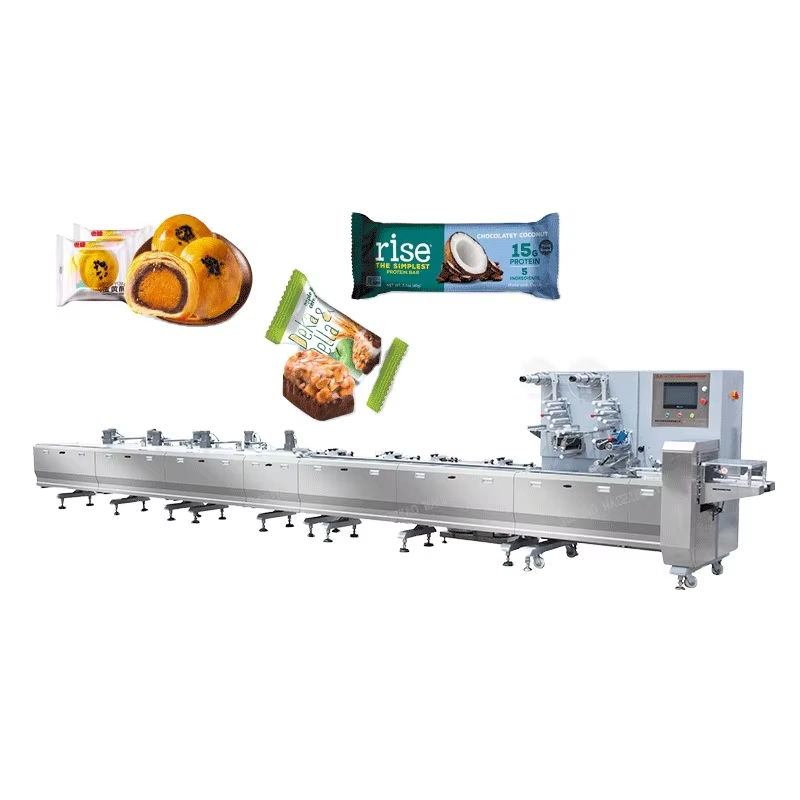
A flow packing machine is a significant capital investment for any food, confectionery, or consumer goods production line. When a flow packing machine is properly maintained, it delivers consistent sealing quality, minimal downtime, and a reliable throughput rate that justifies its cost over many years. Neglecting routine maintenance, however, turns a productive asset into a source of costly stoppages and rejected product.
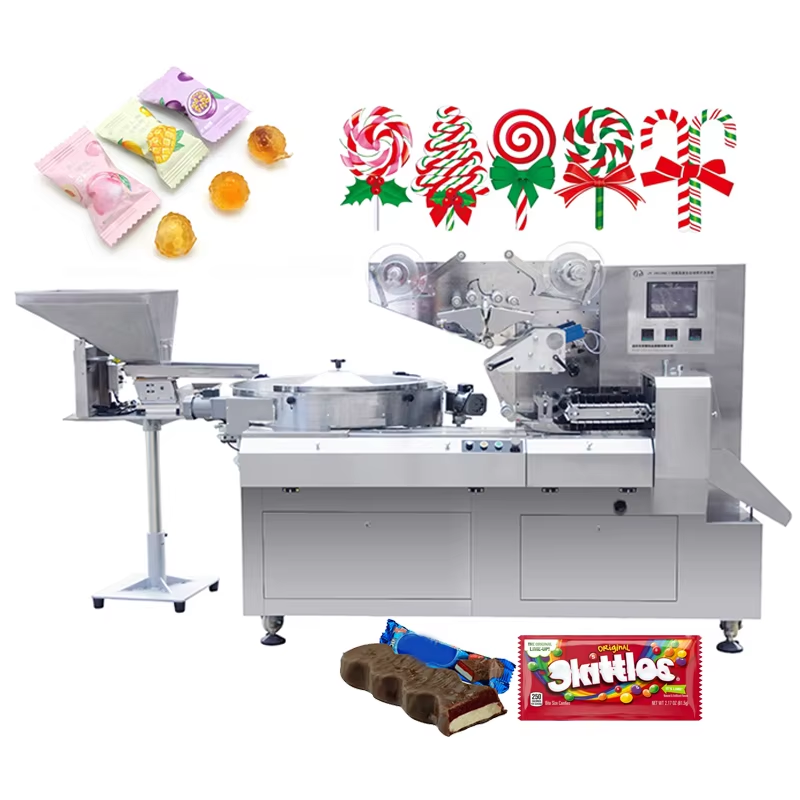
This guide explains exactly how to maintain a flow packing machine so that it sustains long-term performance. Whether your flow packing machine handles bread, chocolate bars, biscuits, or candy, the core maintenance principles remain consistent. By following a structured routine, production teams can extend machine life, protect seal integrity, and avoid unplanned downtime that disrupts output schedules.
Daily and Weekly Inspection Routines
Starting with Daily Checks on a Flow Packing Machine
Every production shift should begin with a visual inspection of the flow packing machine. Operators must check the film roll alignment, tension rollers, and film path for any signs of misalignment or residue buildup. A misaligned film path on a flow packing machine causes uneven seals, film tears, and excessive waste that compounds over a full shift.
Check the sealing jaws daily. On a flow packing machine, the horizontal and end-seal jaws apply heat and pressure to close every pack. If jaw surfaces show signs of carbon buildup, uneven contact, or damaged coating, seal quality will deteriorate. Wiping jaw surfaces with a dry, clean cloth at the start of each shift is a simple habit that protects the flow packing machine from seal failures.
Weekly Inspection Tasks That Protect Long-Term Performance
Each week, a more thorough inspection of the flow packing machine should cover drive belts, conveyor chains, and lubrication points. Drive belts on a flow packing machine stretch gradually with use. A belt that has become loose will cause timing errors between the product infeed and the sealing cycle, producing inconsistent pack lengths or double-seal defects.
Lubrication is critical for every moving component on a flow packing machine. Cam followers, chain links, and bearing housings require food-safe grease or oil applied at the intervals specified in the manufacturer manual. Over-lubrication is also harmful — excess grease on a flow packing machine can migrate onto the film path and contaminate packaging material, which is a serious concern for food-grade production.
Cleaning Protocols for a Flow Packing Machine
Keeping the Film Path and Forming Box Clean
The forming box and film shoulder of a flow packing machine guide the flat film into a tube around the product. Residue from packaging film, product fragments, and dust accumulates in these areas quickly. On a flow packing machine processing food products, this residue can become a hygiene risk and also affect film forming accuracy, leading to poorly shaped packs.
Clean the forming box and film shoulder of the flow packing machine using a soft brush and compressed air. Avoid abrasive tools that could scratch the forming surface. Scratches on forming components of a flow packing machine create friction points that damage film, raise the risk of film tears, and ultimately affect seal strength at the longitudinal seam.
Seal Jaw Cleaning and Surface Care
Seal jaws on a flow packing machine accumulate melted film residue with every cycle. This residue hardens into a layer that reduces heat transfer efficiency and creates uneven seal pressure. Cleaning the jaw surfaces of a flow packing machine should be part of every scheduled production break, not just end-of-shift cleaning. Use the correct solvent or cleaning tool as specified for your flow packing machine model to avoid damaging the non-stick coating or heating element beneath.
After cleaning, always verify that jaw temperature on the flow packing machine returns to the correct set point before resuming production. A flow packing machine running with jaws that have not fully recovered temperature will produce weak seals that fail during downstream handling or retail distribution.
Calibration and Component Replacement Planning
Maintaining Calibration on a Flow Packing Machine
Calibration keeps every parameter of a flow packing machine operating within its designed range. Temperature controllers, photocell sensors, encoder settings, and film tension controls all drift over time. A flow packing machine that has not been recalibrated will gradually produce packs that are too loose, too tight, or inconsistently sealed, even when no mechanical fault is obvious.
Temperature calibration on a flow packing machine should be verified monthly using a calibrated contact thermometer. The controller reading on a flow packing machine does not always reflect actual jaw surface temperature accurately. Confirming actual jaw temperature against the setpoint allows operators to detect controller drift early and correct it before seal failures become systematic across a production batch.
Proactive Component Replacement for Sustained Reliability
Every flow packing machine contains wear components that must be replaced on a predictable schedule rather than after failure. Sealing jaw gaskets, heating elements, rubber compression pads, and photocell lenses are all parts that degrade with use. Waiting until these parts fail on a flow packing machine leads to unplanned stoppages during production, which are always more disruptive and costly than scheduled replacements.
Maintain a spare parts inventory specific to your flow packing machine model. At minimum, keep sealing elements, jaw rubbers, drive belts, and sensor units in stock. When a flow packing machine undergoes a planned maintenance window, replace any component that is approaching its expected service life even if it has not yet failed. This proactive approach keeps the flow packing machine running reliably between major service intervals.
Operator training also plays a significant role in maintaining a flow packing machine. Trained operators recognize early warning signs such as unusual sounds, irregular film tension, or inconsistent seal appearance on the flow packing machine. Catching these signals early allows maintenance to intervene before a minor issue escalates into a major breakdown that stops the line entirely.
FAQ
How often should a flow packing machine be fully serviced?
A full service on a flow packing machine is typically recommended every three to six months, depending on production volume and operating hours. Daily and weekly inspections supplement this schedule to catch issues between major service intervals. Always follow the service interval guidance provided in the flow packing machine manufacturer manual for your specific model.
What causes poor seals on a flow packing machine?
Poor seals on a flow packing machine are most commonly caused by incorrect jaw temperature, contaminated jaw surfaces, worn jaw gaskets, or misaligned film. Each of these causes is addressable through the cleaning, calibration, and component replacement routines described in a structured maintenance plan. Regular inspection of the flow packing machine jaw system is the most effective way to prevent seal defects.
Can a flow packing machine be maintained by in-house staff?
Yes, most routine maintenance tasks on a flow packing machine can be performed by trained in-house technicians and operators. Daily cleaning, lubrication, visual inspection, and temperature verification are all tasks suitable for production and maintenance staff. Complex electrical diagnostics or major mechanical overhauls on a flow packing machine may require specialist support from the equipment supplier or a qualified service engineer.