
 EN
EN
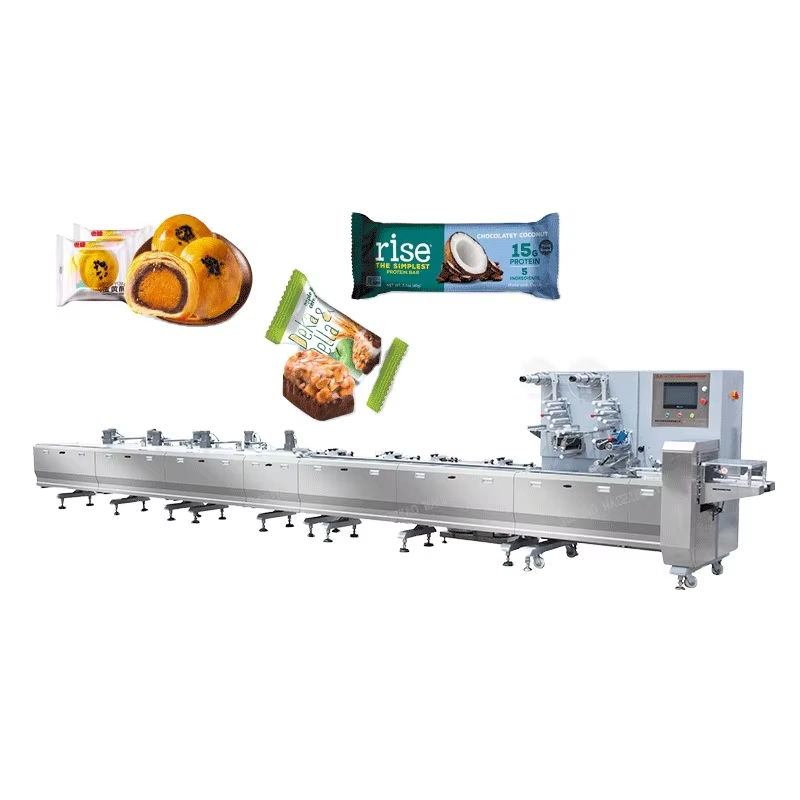
The packaging industry has entered a period of rapid transformation, and the flow packing machine stands at the center of that change. From food manufacturing to pharmaceuticals, the flow packing machine has evolved well beyond its basic wrapping origins. Today, manufacturers are adopting advanced flow packing machine designs that integrate digital intelligence, sustainable materials, and precision engineering to meet increasingly demanding production requirements. Understanding these innovations helps procurement teams and plant managers make smarter investment decisions.
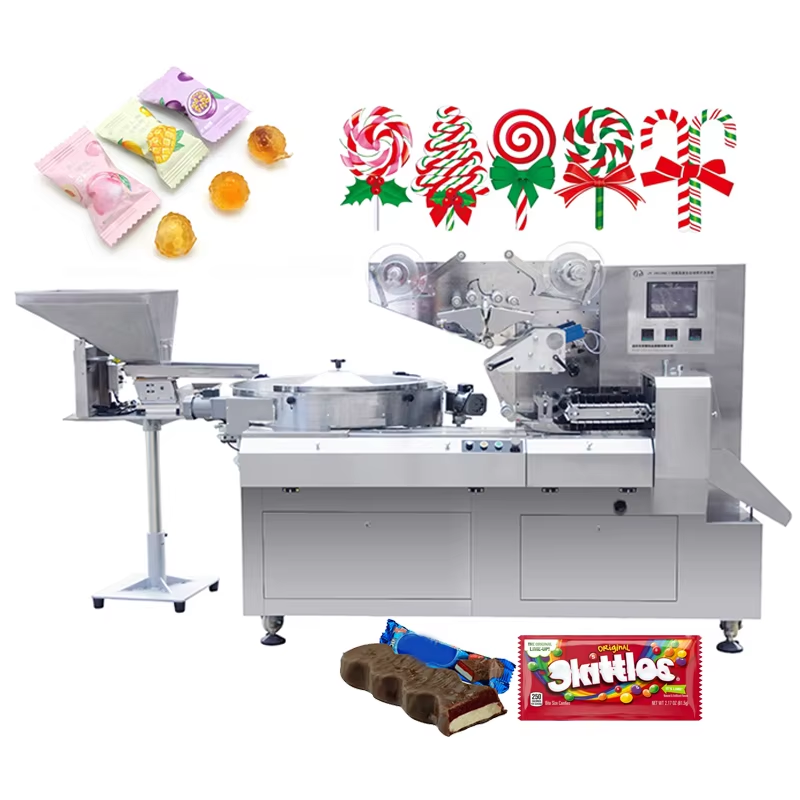
Innovation in flow packing machine technology is not simply about running faster. Modern developments address energy consumption, film waste reduction, changeover flexibility, and real-time data integration. Each new generation of flow packing machine brings measurable improvements in output reliability and operator usability. This article explores the key technological advancements shaping the current landscape of flow packing machine design, helping industry professionals understand what truly defines next-generation equipment.
Smart Controls and Digital Integration in the Flow Packing Machine
Servo-Driven Motion Systems
One of the most impactful innovations in the modern flow packing machine is the widespread adoption of servo motor systems. Earlier generations relied on mechanical cam systems, which limited speed adjustment and required significant manual recalibration. A servo-driven flow packing machine allows independent control of each mechanical axis, including the film feed, sealing jaws, and conveyor belt. This independence means the flow packing machine can adapt its motion profile to different product sizes and packaging speeds without physical tooling changes. The result is faster changeover times and more consistent seal quality across varying product formats.
PLC and HMI Touchscreen Interfaces
The integration of programmable logic controllers combined with high-resolution touchscreen interfaces has fundamentally changed how operators interact with a flow packing machine. Modern flow packing machine platforms allow operators to store hundreds of product recipes, each with precise parameters for jaw temperature, film tension, and conveyor speed. Switching between products becomes a matter of selecting a stored program rather than manually adjusting mechanical components. Additionally, a well-designed flow packing machine HMI provides real-time fault diagnostics, reducing unplanned downtime. Remote monitoring capabilities are now common, allowing maintenance teams to observe flow packing machine performance data from tablets or centralized factory systems.
Sealing Technology and Film Compatibility Advances
Precision Temperature Control and Jaw Design
Sealing quality is one of the most critical performance benchmarks for any flow packing machine. Recent innovations focus on multi-zone temperature control within the sealing jaws, allowing the flow packing machine to maintain precise heat distribution even at high production speeds. This matters especially when handling thin or laminated films that are sensitive to temperature variation. Advanced jaw geometry in the modern flow packing machine ensures even pressure distribution, minimizing incomplete seals and film tears. Some flow packing machine models also incorporate rotary jaw systems, which maintain continuous film contact across a wider sealing angle, improving seal integrity at speeds exceeding 200 packs per minute.
Expanded Film Material Compatibility
Sustainability pressure has driven significant innovation in how a flow packing machine handles packaging materials. Traditional flow packing machine models were optimized for standard polypropylene or polyethylene films. The latest flow packing machine designs accommodate biodegradable films, paper-based laminates, and mono-material recyclable structures that are notoriously more difficult to seal consistently. Achieving stable performance with these eco-friendly materials requires precise tension control and temperature profiling that older flow packing machine platforms simply could not deliver. Manufacturers investing in a new flow packing machine now often prioritize this material flexibility as a long-term sustainability strategy.
Automation and Line Integration Capabilities
Upstream and Downstream Equipment Synchronization
A modern flow packing machine is rarely a standalone piece of equipment. Today's installations connect the flow packing machine seamlessly with upstream product feeders, checkweighers, metal detectors, and downstream case packers or labeling systems. Communication protocols such as OPC-UA allow the flow packing machine to exchange real-time data with the broader production line. If a downstream conveyor slows or stops, the flow packing machine automatically adjusts its output rate to prevent product jams. This level of integration transforms the flow packing machine from an isolated wrapping station into an intelligent node within a fully synchronized production ecosystem.
Vision Systems and Automatic Rejection
Integrated camera-based vision systems represent another major leap in flow packing machine capability. These systems inspect every pack for seal integrity, label alignment, and product positioning within the film. When the flow packing machine detects a defect, it triggers an automatic rejection mechanism, diverting the faulty pack without stopping the line. This reduces manual quality inspection labor and ensures that every finished pack leaving the flow packing machine meets defined quality standards. For high-volume food and pharmaceutical producers, this automated quality gate is no longer optional — it is a core expectation from any competitive flow packing machine platform.
FAQ
What industries benefit most from the latest flow packing machine innovations?
Food manufacturing, confectionery, bakery, pharmaceutical, and personal care industries benefit most from modern flow packing machine advancements. Any sector that requires high-speed, hygienic, and flexible packaging of regularly shaped products will find that a new-generation flow packing machine significantly improves throughput, reduces film waste, and simplifies product changeovers compared to older equipment models.
How does a servo-driven flow packing machine differ from a mechanical cam system?
A servo-driven flow packing machine uses independently controlled electric motors for each axis, providing dynamic speed and position control without physical tooling changes. A mechanical cam flow packing machine relies on fixed cam profiles to drive motion, which limits flexibility and requires manual adjustments when product dimensions or speeds change. The servo-based flow packing machine offers greater precision, faster changeover, and reduced mechanical wear over its operational lifespan.
Can a modern flow packing machine handle paper-based or biodegradable films reliably?
Yes, the latest flow packing machine platforms are specifically engineered to handle paper-based laminates and biodegradable film structures. These materials require tighter temperature control, lower sealing pressure, and more sensitive tension management than standard plastic films. A modern flow packing machine equipped with multi-zone jaw heating and precision film tension systems can seal these sustainable materials consistently at commercially viable production speeds, making eco-friendly packaging transitions practical for manufacturers.