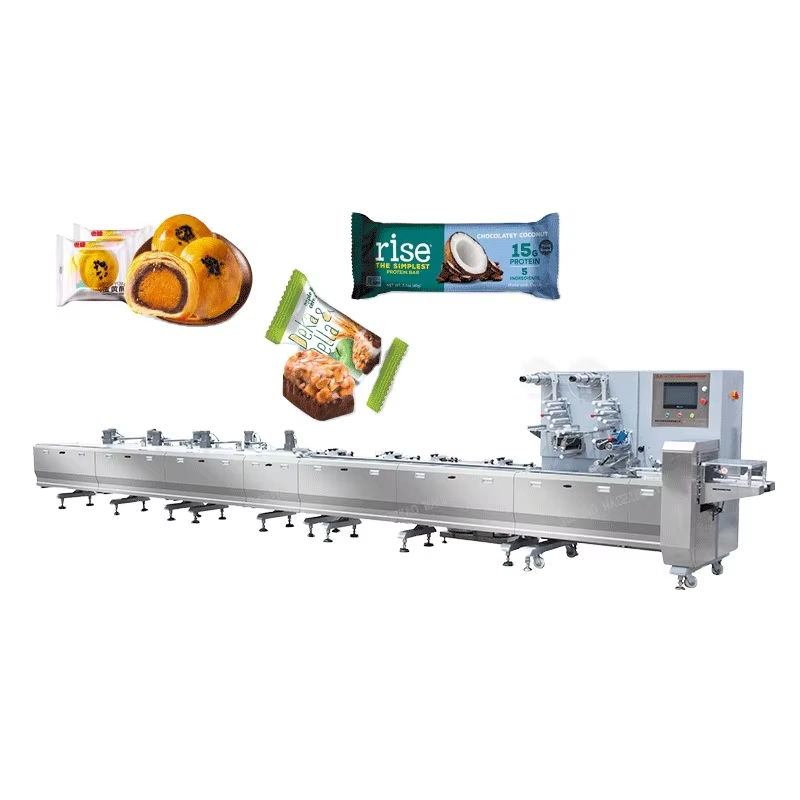
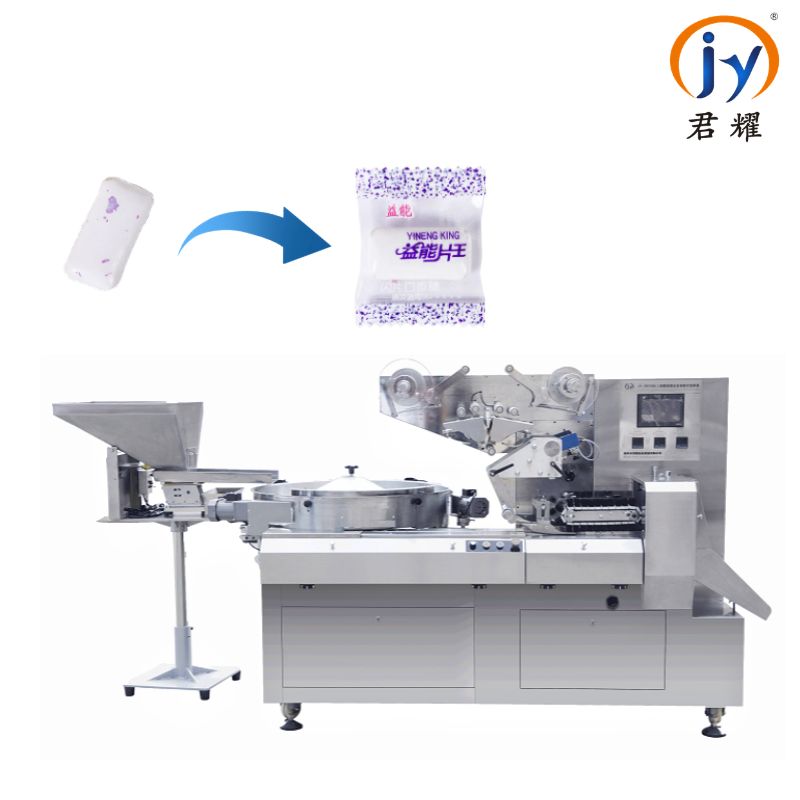
candy bar packaging machine
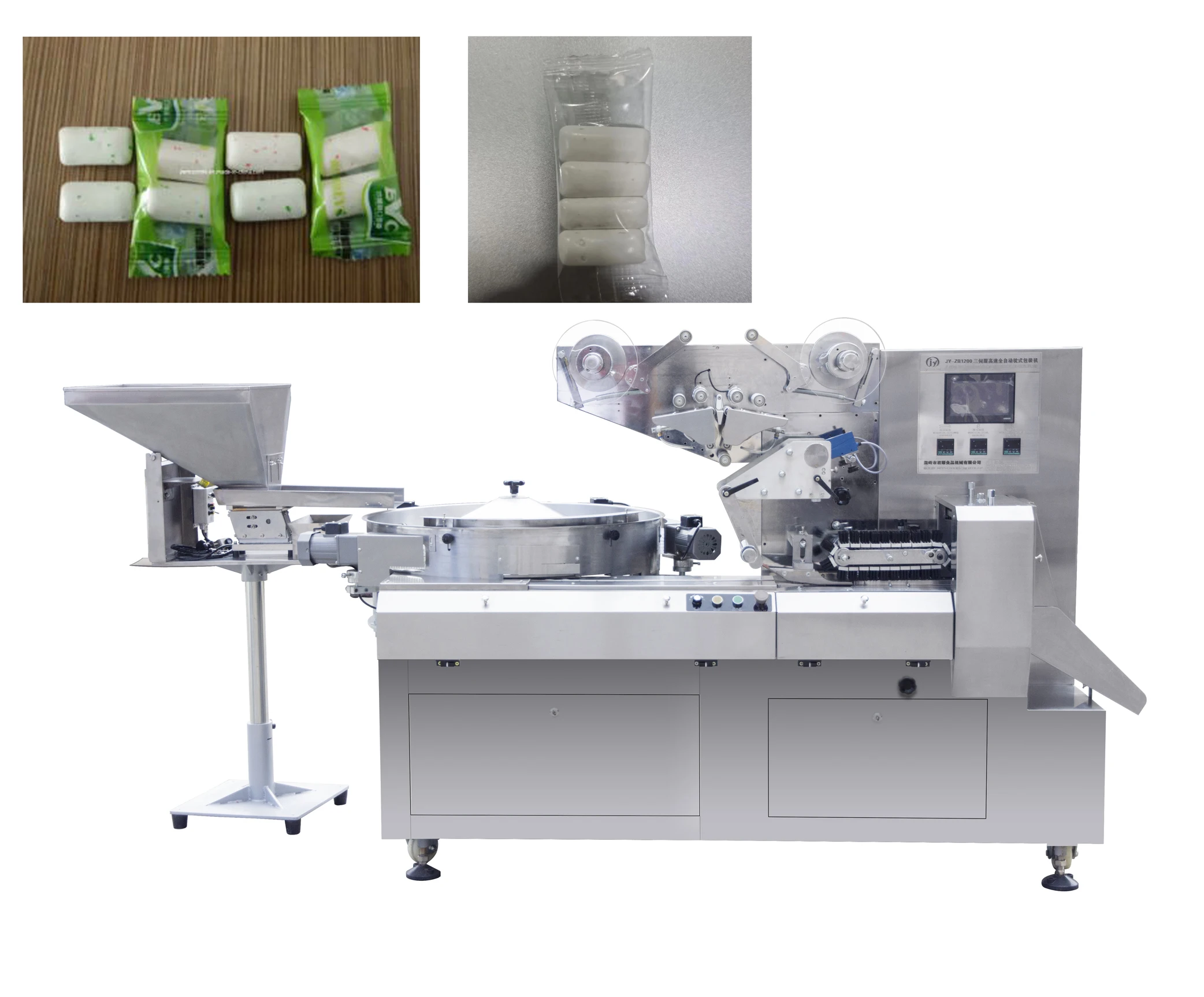
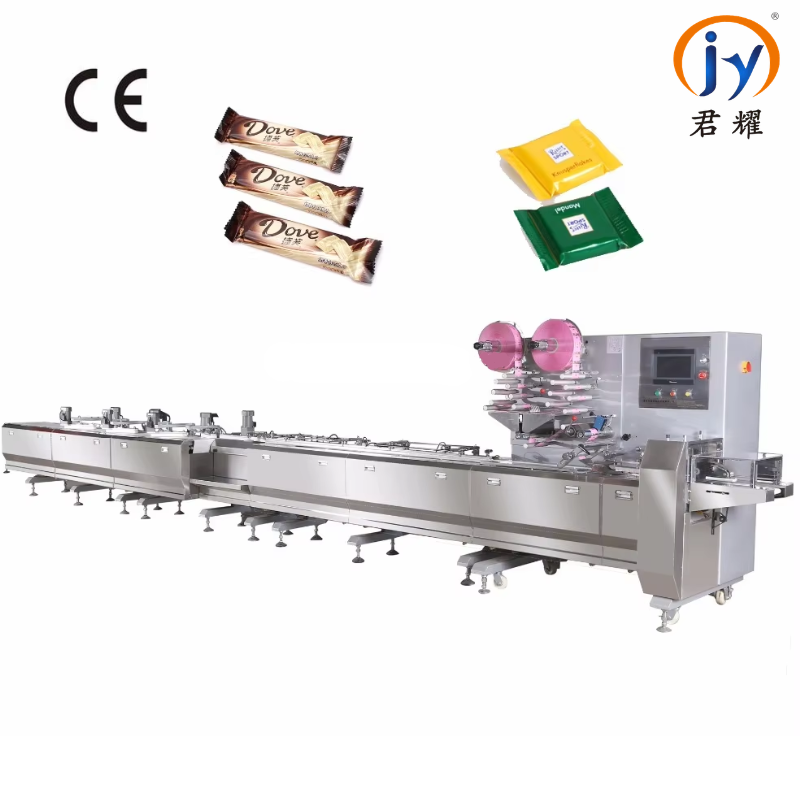
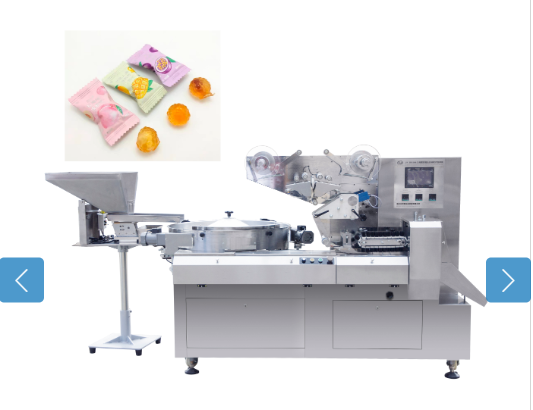
A candy bar packaging machine is an advanced automated system designed to wrap, seal, and package candy bars with precision and efficiency. This specialized equipment plays a crucial role in modern confectionery production facilities, handling the complete packaging process from product placement to final sealed output. The candy bar packaging machine streamlines operations by automating tasks that would otherwise require extensive manual labor, significantly reducing production time and increasing output capacity.
Key technological features of a candy bar packaging machine include adjustable wrapping mechanisms that accommodate various candy bar sizes and shapes, ensuring consistent packaging quality across different product lines. The machine incorporates servo-driven controls and programmable logic controllers that allow operators to customize packaging parameters quickly. Advanced sensing technology enables the candy bar packaging machine to detect product positioning, ensuring proper alignment before wrapping begins.
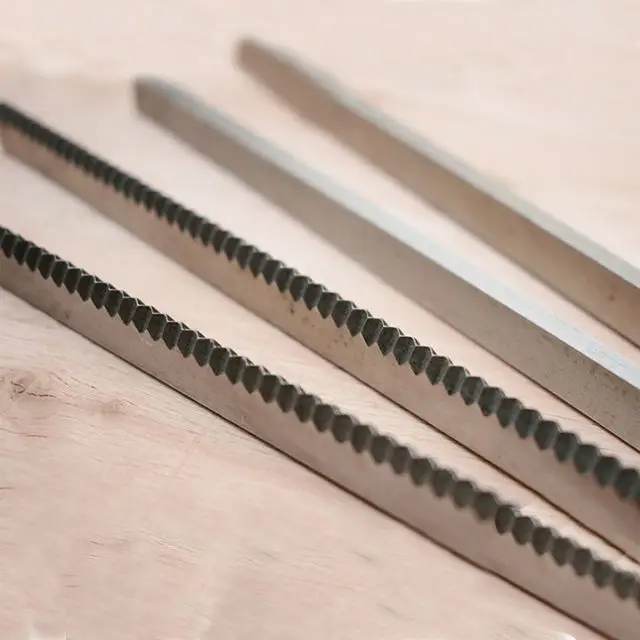
Modern candy bar packaging machines feature integrated heat-sealing technology that creates strong, tamper-evident seals, protecting product freshness and maintaining shelf appeal. The equipment operates at adjustable speeds, typically ranging from 30 to 400 packages per minute, depending on the model and complexity. These machines support multiple film types, including cellophane, polyethylene, and specialty materials, making them versatile for different candy bar varieties and branding requirements.
Applications extend across commercial candy manufacturing operations, co-packing facilities, and specialty confectionery producers. The candy bar packaging machine serves both small-batch premium producers and large-scale industrial manufacturers, adapting to diverse production demands while maintaining consistent quality standards and compliance with food safety regulations.

 EN
EN