
 EN
EN
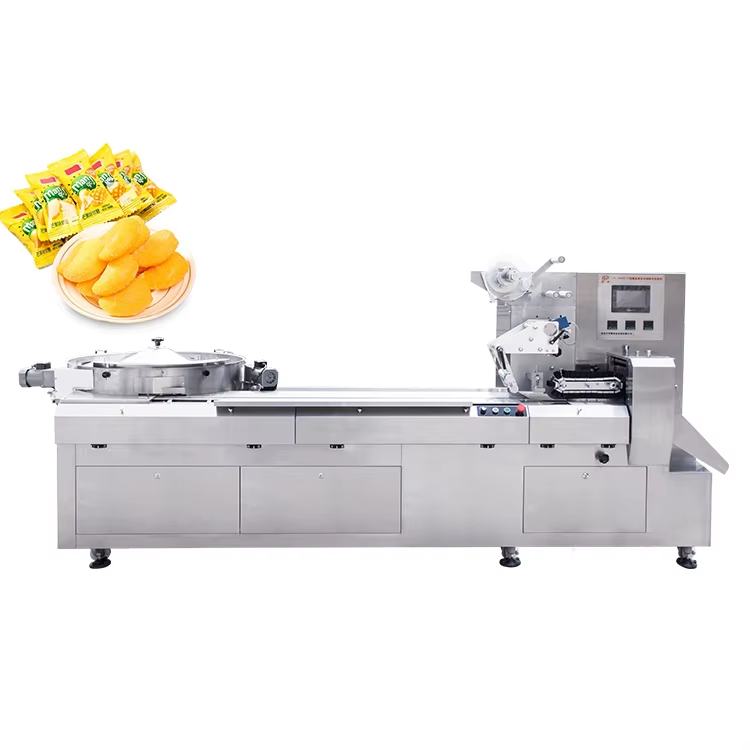
Soft candy is one of the most delicate confectionery products on the market. Its moisture content, texture, and shape make it highly vulnerable to environmental damage, mechanical stress, and improper handling. A reliable candy packaging machine is not simply a finishing step in the production line — it is a critical quality control tool that directly influences how the product reaches the consumer. Without the right wrapping solution, even the highest-quality soft candy can lose its appeal before it ever leaves the factory.
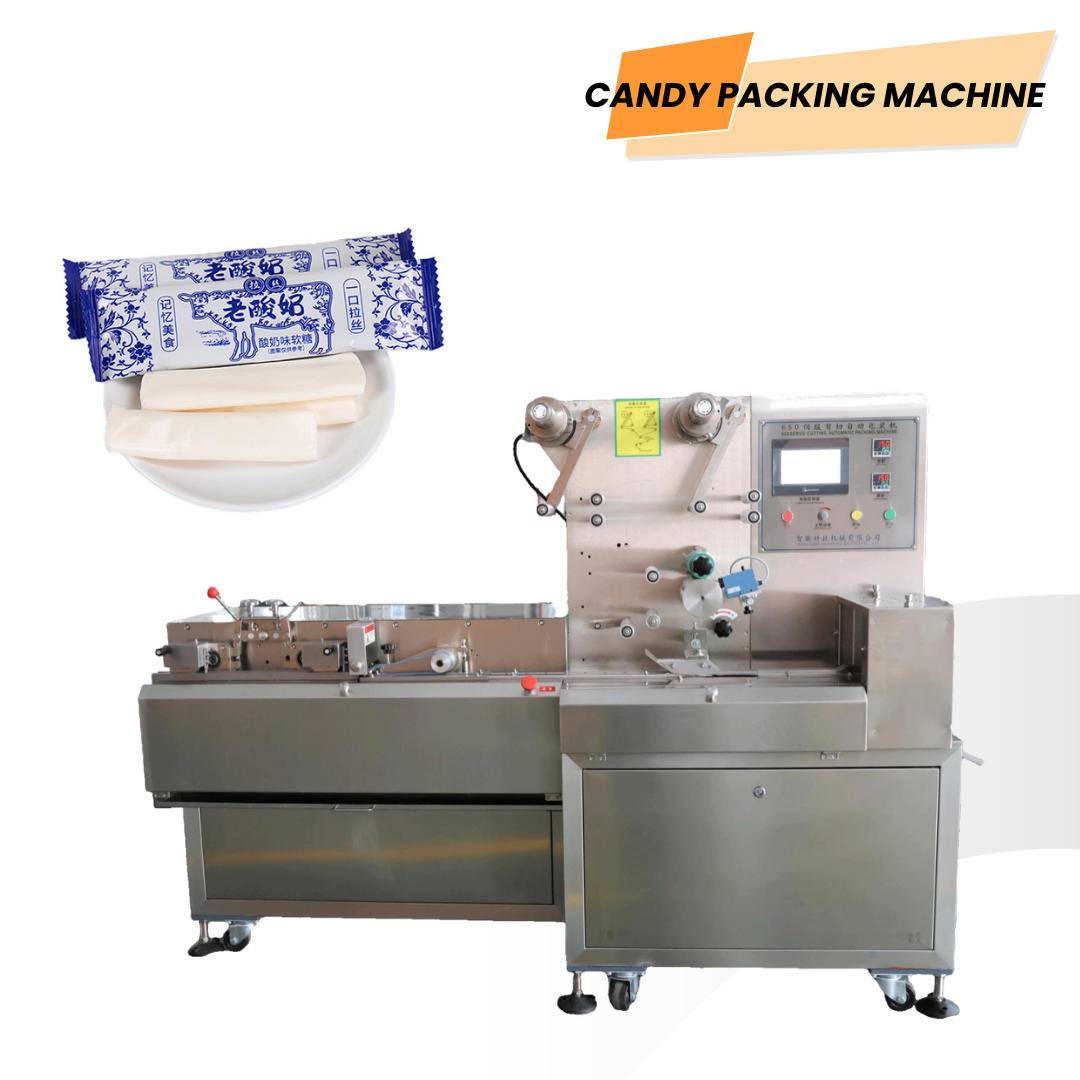
Manufacturers who invest in an advanced candy packaging machine understand that product quality does not stop at the formulation stage. The wrapping process must protect delicate candy from moisture absorption, physical deformation, and contamination. This is why selecting and operating the right candy packaging machine has become a strategic priority for soft candy producers worldwide. In this article, we explore the core reasons why wrapping technology is inseparable from maintaining soft candy product quality.
How a Candy Packaging Machine Protects Soft Candy Integrity
Moisture and Environmental Protection
Soft candy is hygroscopic, meaning it readily absorbs moisture from the surrounding environment. A well-configured candy packaging machine applies a tight, consistent seal around each piece, creating a barrier against humidity, air, and temperature fluctuations. This seal is not merely cosmetic — it directly determines the shelf life and texture stability of the product. Without an adequately sealed wrapper, soft candy can become sticky, lose its defined shape, or develop surface crystallization within days.
A modern candy packaging machine uses precise tension control and film feed mechanisms to ensure that every wrap is uniform and complete. Inconsistent wrapping, even in small percentages, can cause significant batch-level quality failures. Producers who rely on an outdated or poorly calibrated candy packaging machine often face elevated rejection rates, customer complaints, and costly product returns. The protective function of the candy packaging machine is therefore the first and most essential quality layer in the soft candy production process.
Preventing Physical Deformation During Wrapping
Unlike hard candies, soft candy deforms easily under mechanical pressure. A candy packaging machine designed for soft confectionery must apply controlled, gentle force during the wrapping cycle. Servo-driven systems in a candy packaging machine allow manufacturers to fine-tune the speed and pressure applied to each individual piece, significantly reducing deformation rates. When a candy packaging machine operates with consistent servo motor control, the physical shape and surface finish of each candy piece remain intact throughout the wrapping process.
This level of mechanical precision matters especially for gummies, caramels, and chewy candies where visual presentation is part of the product's value proposition. A candy packaging machine that lacks precise motion control will inevitably compress or distort soft candy pieces, degrading the finished product's appearance and consumer experience. For premium soft candy brands, this kind of deformation is simply not acceptable, making a high-precision candy packaging machine a non-negotiable investment.
The Role of Wrapping Speed and Consistency in Quality Output
Throughput Alignment and Quality Stability
A candy packaging machine must balance speed with quality. Running a candy packaging machine too fast without proper synchronization leads to misaligned wraps, open seals, and product rejection. Running it too slowly reduces output efficiency and can actually cause some soft candy types to begin sticking to conveyor surfaces or each other before wrapping is complete. The right candy packaging machine finds the optimal operating window where wrapping quality and production speed are both maintained at their peak levels.
Advanced candy packaging machine models achieve this balance through integrated servo motor systems that coordinate multiple motion axes simultaneously. When every movement of the candy packaging machine — from candy feeding to film cutting to twist-sealing — is synchronized with precision, quality consistency is achieved across high-volume production runs. This is particularly important in industrial-scale soft candy production, where even small deviations in wrapping quality can compound across thousands of units per hour.
Film Selection and Wrapping Compatibility
The candy packaging machine must be compatible with the specific film materials used for soft candy wrapping. Common materials include moisture-barrier films, metallic foil laminates, and printed OPP films. A candy packaging machine that cannot handle the physical properties of a chosen film will produce inconsistent seals, tearing, or poor presentation. The mechanical components of the candy packaging machine — particularly the film tension system and cutting blades — must be precisely matched to the film type to deliver consistent wrapping quality.
Operators who select a candy packaging machine based only on output speed often overlook film compatibility, which leads to recurring quality issues on the production floor. A candy packaging machine designed with adjustable film handling parameters gives manufacturers the flexibility to switch between film types without sacrificing wrapping quality. This adaptability is a key quality-maintenance feature that separates purpose-built soft candy packaging equipment from generic alternatives.
Wrapping Technology as a Quality Assurance System
Reducing Human Error and Contamination Risk
Manual or semi-automated wrapping introduces variability that a fully automated candy packaging machine eliminates. Human handling increases the risk of surface contamination, inconsistent wrap tension, and product exposure time. A candy packaging machine that automates the entire wrapping cycle minimizes these risks by keeping the candy in a controlled, enclosed pathway from cutting to final seal. This is especially important in food safety compliance contexts, where contamination risks must be systematically minimized.
A candy packaging machine with automated rejection systems can also detect and remove improperly wrapped pieces before they enter finished goods packaging. This inline quality control capability means that the candy packaging machine itself contributes to final product conformance, not just throughput. Producers who integrate a candy packaging machine with active quality detection reduce the volume of defective product that reaches downstream inspection stages, improving overall production efficiency and brand reliability.
Supporting Regulatory and Consumer Standards
Food manufacturers increasingly face strict regulatory requirements around product labeling, seal integrity, and hygienic packaging. A candy packaging machine built to food-grade standards helps producers meet these requirements with greater consistency. Properly wrapped soft candy also meets consumer expectations for freshness, safety, and visual appeal, which are direct drivers of repeat purchase behavior. The candy packaging machine is therefore a quality system that supports both regulatory compliance and commercial performance simultaneously.
FAQ
Why is a candy packaging machine important specifically for soft candy?
Soft candy is more sensitive to moisture, pressure, and handling than hard confectionery. A candy packaging machine provides the precise mechanical control and consistent sealing needed to protect soft candy's texture, shape, and freshness throughout the wrapping process.
What features should a candy packaging machine have for soft candy production?
A candy packaging machine for soft candy should include servo motor control for gentle and precise movement, adjustable film tension systems, consistent sealing mechanisms, and ideally, inline quality detection to identify improperly wrapped pieces before final packaging.
How does a candy packaging machine affect shelf life?
A candy packaging machine that applies a complete and consistent moisture-barrier seal extends the shelf life of soft candy by preventing humidity ingress, oxidation, and surface degradation. Poor wrapping from an under-performing candy packaging machine accelerates quality loss and shortens the product's viable retail period.