
 EN
EN
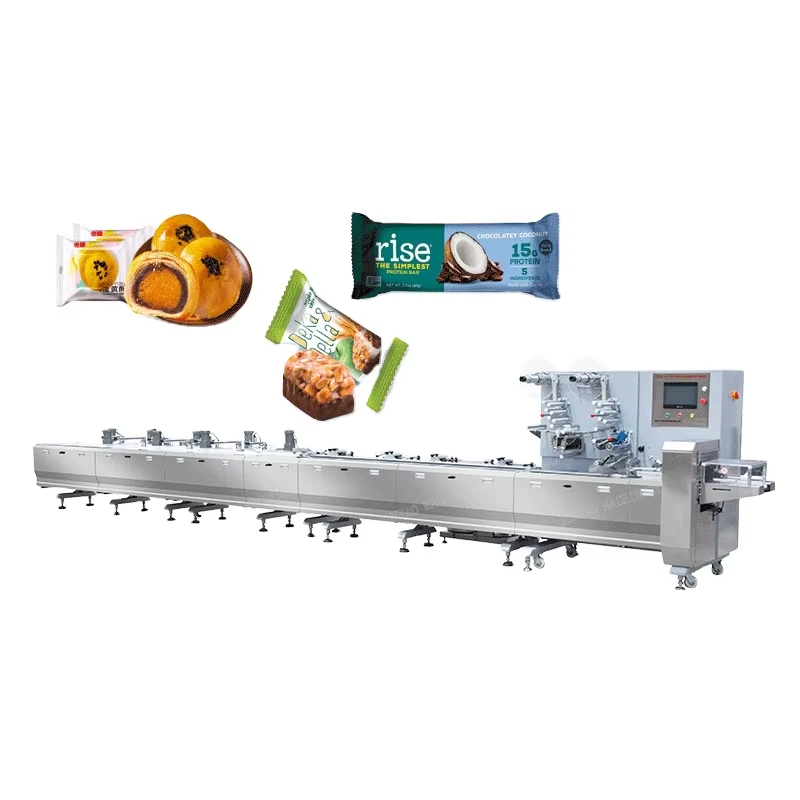
In modern manufacturing environments, packaging efficiency is no longer optional — it is a competitive necessity. The flow packing machine has become one of the most relied-upon solutions for factories that need speed, consistency, and operational reliability. From food production lines to consumer goods assembly, the flow packing machine delivers measurable advantages that directly impact the bottom line.
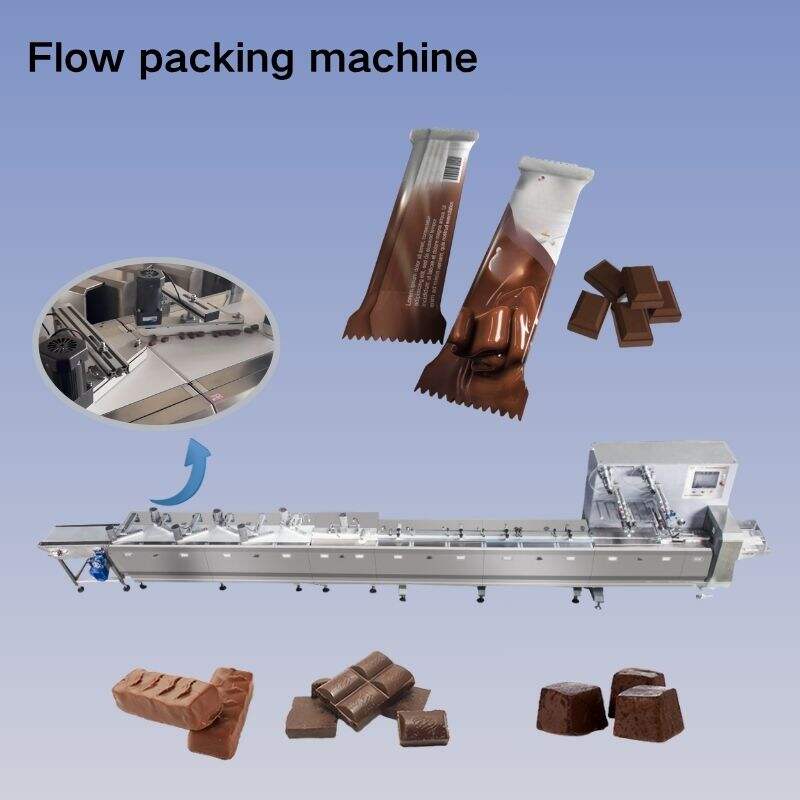
Understanding why the flow packing machine is so widely adopted in factory settings requires examining its core mechanical advantages, its impact on production economics, and its ability to adapt across different product categories. This article breaks down the top advantages that make the flow packing machine a strategic investment for any serious manufacturing operation.
Speed and Throughput Advantages
High-Volume Output Without Sacrificing Quality
One of the most compelling reasons factories invest in a flow packing machine is raw throughput speed. A modern flow packing machine can process hundreds of units per minute, far exceeding what any manual or semi-automatic process could achieve. This means production targets are met consistently, even during peak demand periods. The flow packing machine maintains seal integrity and package alignment at high speeds, which is critical when packaging delicate items like protein bars, cereal blocks, or snack products.
Factory managers who have transitioned to a flow packing machine consistently report significant reductions in bottlenecks along the packaging line. Because the flow packing machine operates with a continuous motion mechanism, it eliminates the stop-and-start inefficiency common in older intermittent-motion packaging systems. The result is a smoother, faster line that keeps downstream logistics on schedule.
Synchronized Integration with Production Lines
A flow packing machine is designed to integrate seamlessly with upstream and downstream equipment. Whether connected to a conveyor system, a forming line, or a weighing station, the flow packing machine synchronizes its operating speed with adjacent machinery. This real-time synchronization minimizes manual intervention, reduces idle time, and keeps the entire production flow consistent. Factories that deploy a flow packing machine as part of a fully automated line gain the compounded benefit of system-wide efficiency, not just individual machine speed.
Cost Efficiency and Labor Reduction
Lowering Operational Costs at Scale
The economic case for a flow packing machine becomes especially strong when examined over a full production cycle. Each flow packing machine replaces multiple manual packaging stations, reducing the total headcount needed on the packaging floor. For factories operating multiple shifts, this labor saving translates into substantial annual cost reductions. The flow packing machine also reduces packaging material waste through precise film tension control and accurate cut-and-seal positioning, which lowers the cost per packaged unit.
Maintenance costs for a well-built flow packing machine are predictable and manageable. Most modern flow packing machine models are engineered with accessible components, standardized spare parts, and user-friendly diagnostic interfaces. This means planned maintenance intervals are shorter, unplanned downtime is reduced, and the overall total cost of ownership for the flow packing machine remains competitive over its operational lifespan.
Reducing Human Error in the Packaging Process
Human error is one of the most persistent cost factors in manual packaging environments. A flow packing machine removes the variability introduced by fatigue, inconsistency, and operator error. Each package produced by a flow packing machine meets the same dimensional and seal quality standard, cycle after cycle. This consistency directly reduces product rejections, rework rates, and customer complaints. For factories supplying retail channels with strict appearance and quality requirements, a reliable flow packing machine is not a luxury — it is a quality assurance tool.
Versatility and Product Protection
Handling a Wide Range of Product Formats
The flow packing machine is not a single-use solution. A well-configured flow packing machine can handle a wide variety of product shapes, sizes, and materials without requiring a complete machine overhaul. By adjusting film roll width, sealing temperature, and conveyor speed, the same flow packing machine can package cereal bars one shift and switch to biscuits, soaps, or hardware components the next. This multi-product flexibility makes the flow packing machine an exceptionally versatile asset on any factory floor where product diversity is a requirement.
Modern flow packing machine systems also support quick changeovers. When a factory needs to switch product formats, the flow packing machine allows operators to update parameters through a digital control interface rather than manually reconfiguring the entire mechanical setup. This reduces changeover time dramatically and allows factories to respond faster to market demand shifts or custom order requirements. The flow packing machine thus becomes a strategic flexibility tool as much as a productivity tool.
Protecting Product Integrity During Packaging
Beyond speed and cost, the flow packing machine provides a sealed, protective wrap that shields products from environmental factors including moisture, dust, and physical damage. The pillow-style pouch produced by a flow packing machine creates an airtight barrier that extends shelf life for food products and protects non-food items from contamination. This packaging quality contributes directly to customer satisfaction and reduces damage-related returns throughout the supply chain.
For factories supplying perishable goods, the flow packing machine can be paired with modified atmosphere packaging options or barrier films that further enhance preservation. The ability to customize sealing conditions means each flow packing machine deployment can be tailored to specific product protection requirements without compromising line speed.
FAQ
What types of products are best suited for a flow packing machine?
A flow packing machine is ideal for solid, semi-solid, and regularly shaped items such as protein bars, biscuits, cereal blocks, soaps, medical devices, and hardware parts. Any factory product that benefits from a sealed pillow pouch can typically be packaged efficiently using a flow packing machine, provided the dimensions fall within the machine's adjustable range.
How does a flow packing machine improve factory hygiene standards?
A flow packing machine minimizes direct human contact with the product during the packaging stage. This sealed, automated process reduces contamination risks, which is especially important in food and pharmaceutical manufacturing. Many flow packing machine models are constructed with stainless steel surfaces and are designed for easy cleaning to comply with hygiene regulations.
Is a flow packing machine difficult to operate for new factory staff?
Most modern flow packing machine systems are equipped with intuitive touchscreen interfaces and pre-programmable product recipes. New operators can be trained to run a flow packing machine in a relatively short period. The digital controls on a flow packing machine allow staff to load saved settings for different products, reducing the complexity of daily operation and minimizing the chance of setup errors during shift changes.