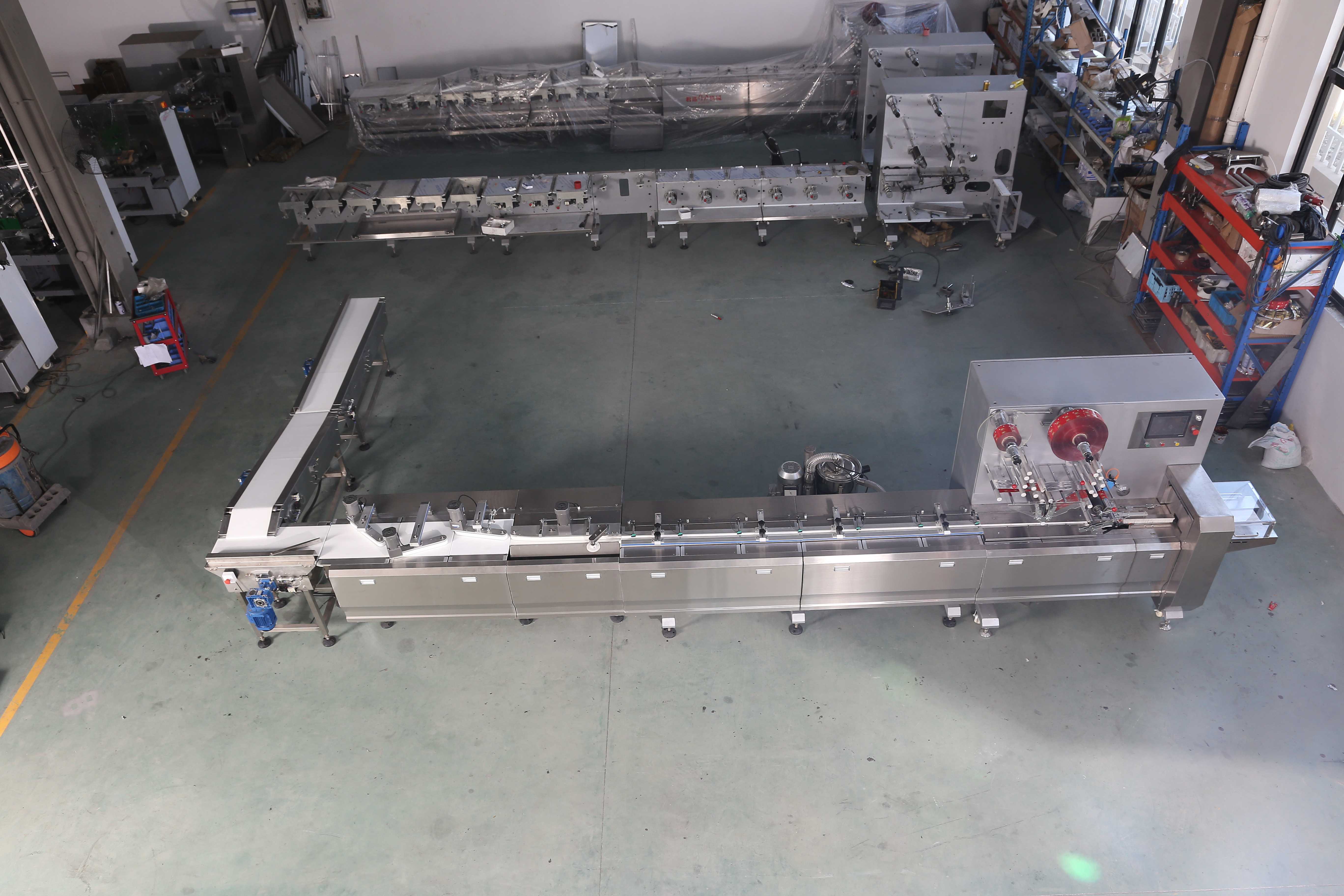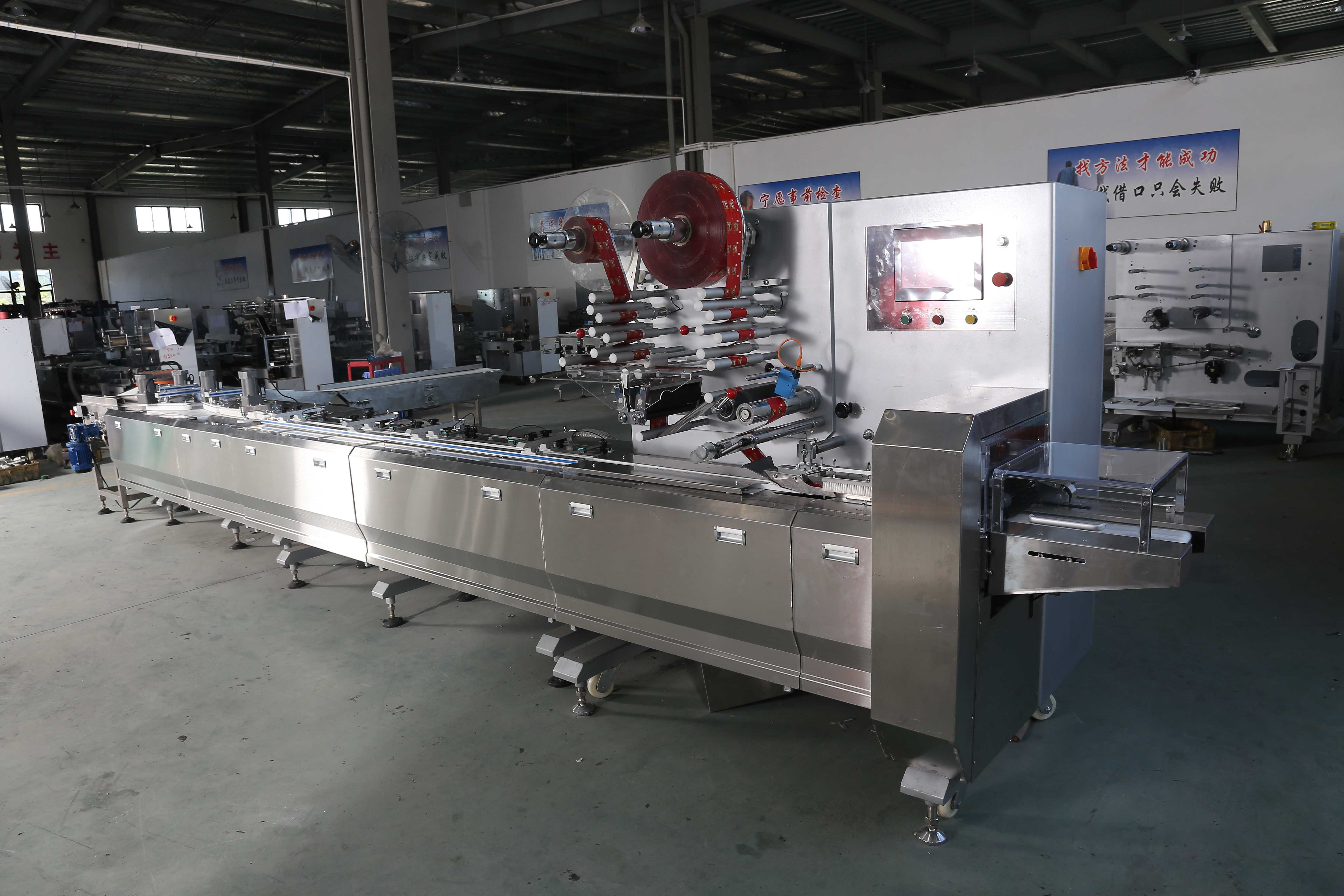
Key Features
1. Automatic Bar Feeding Conveyor System
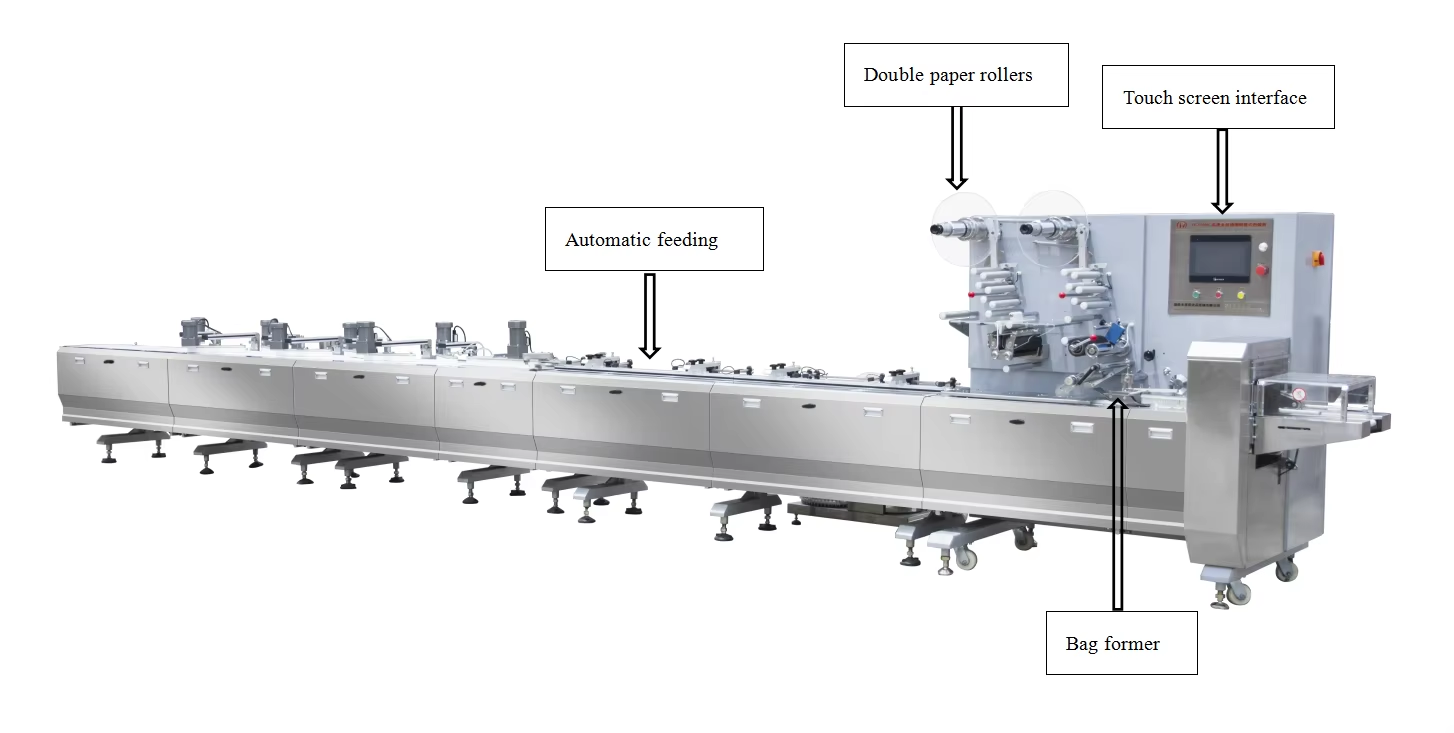
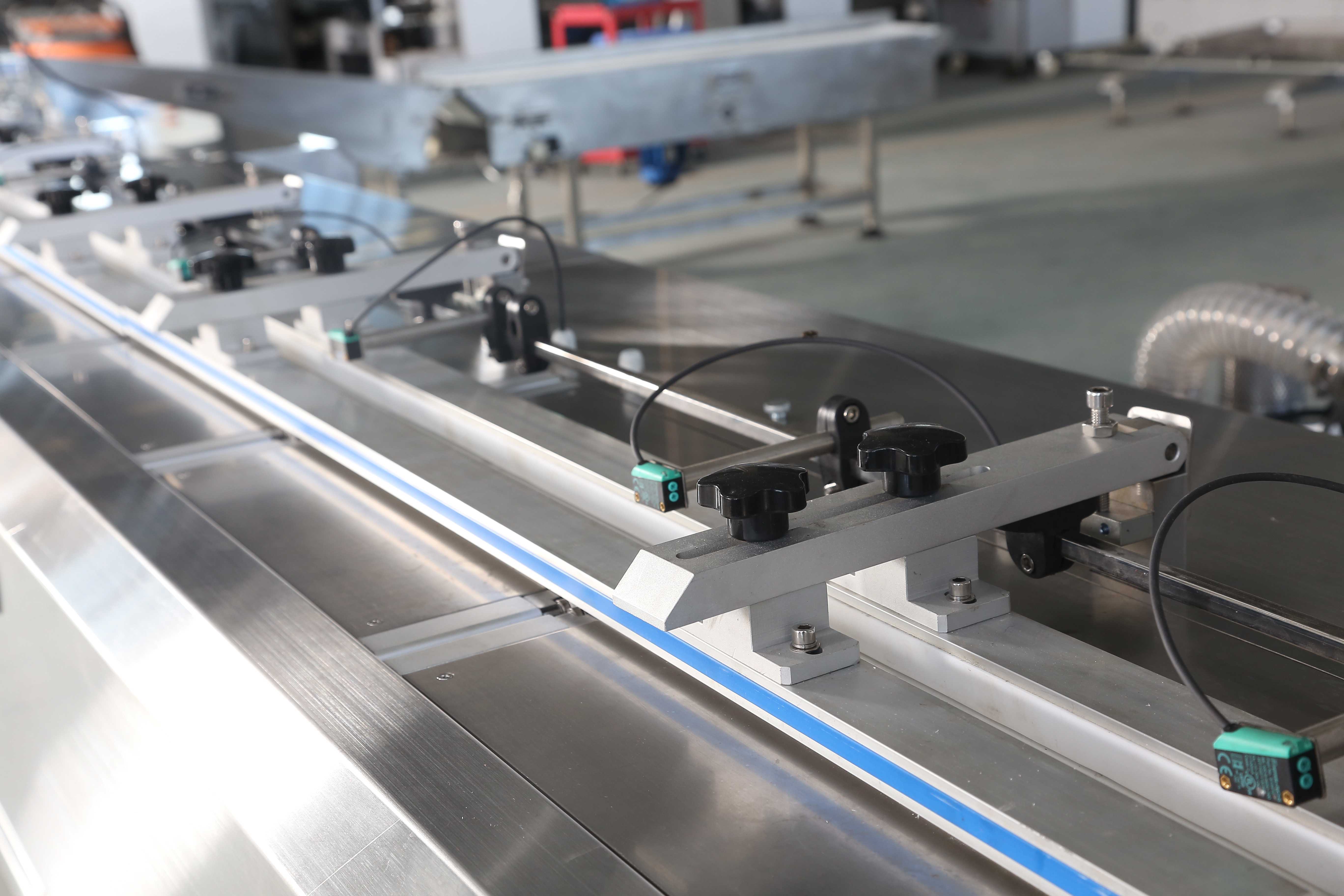
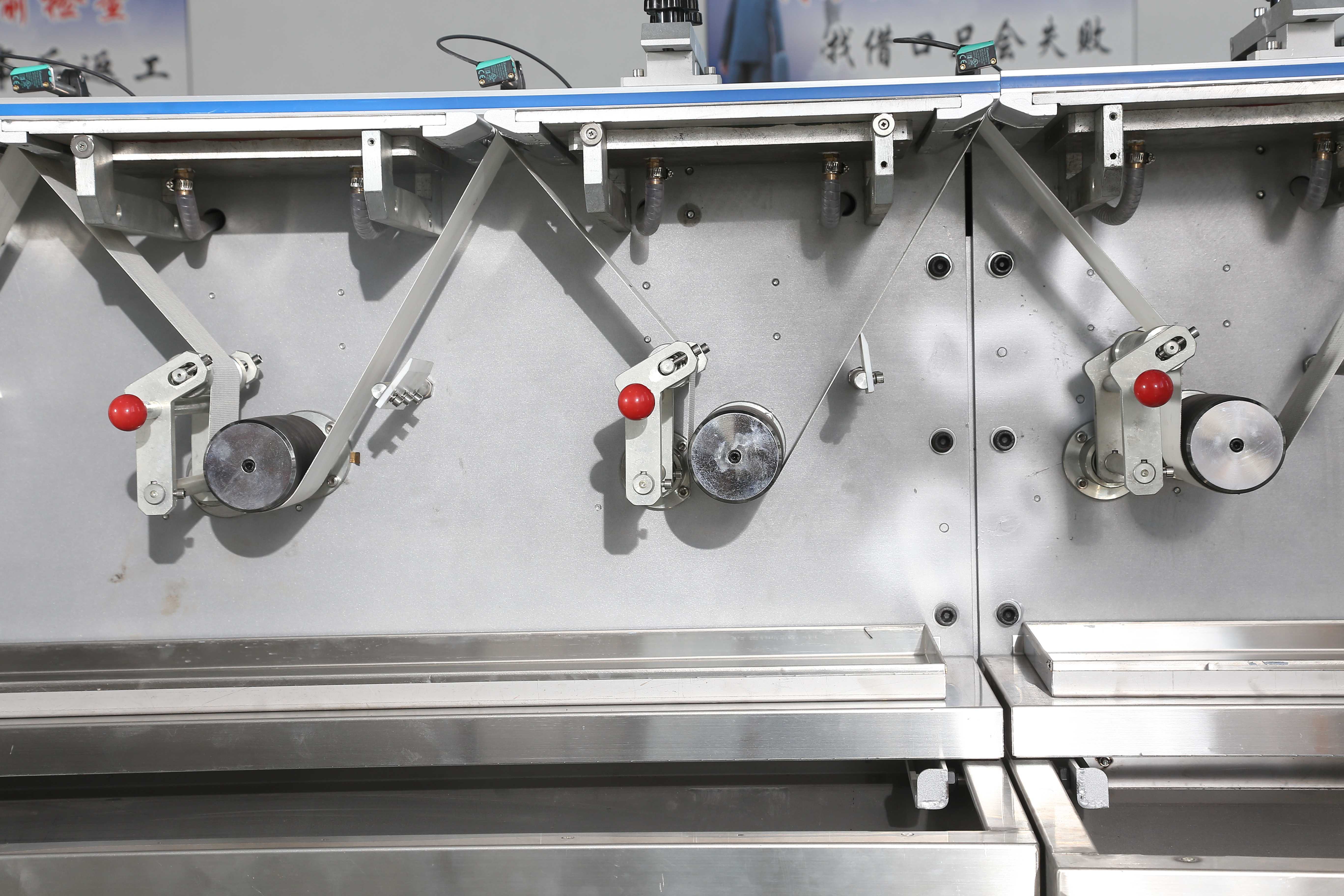
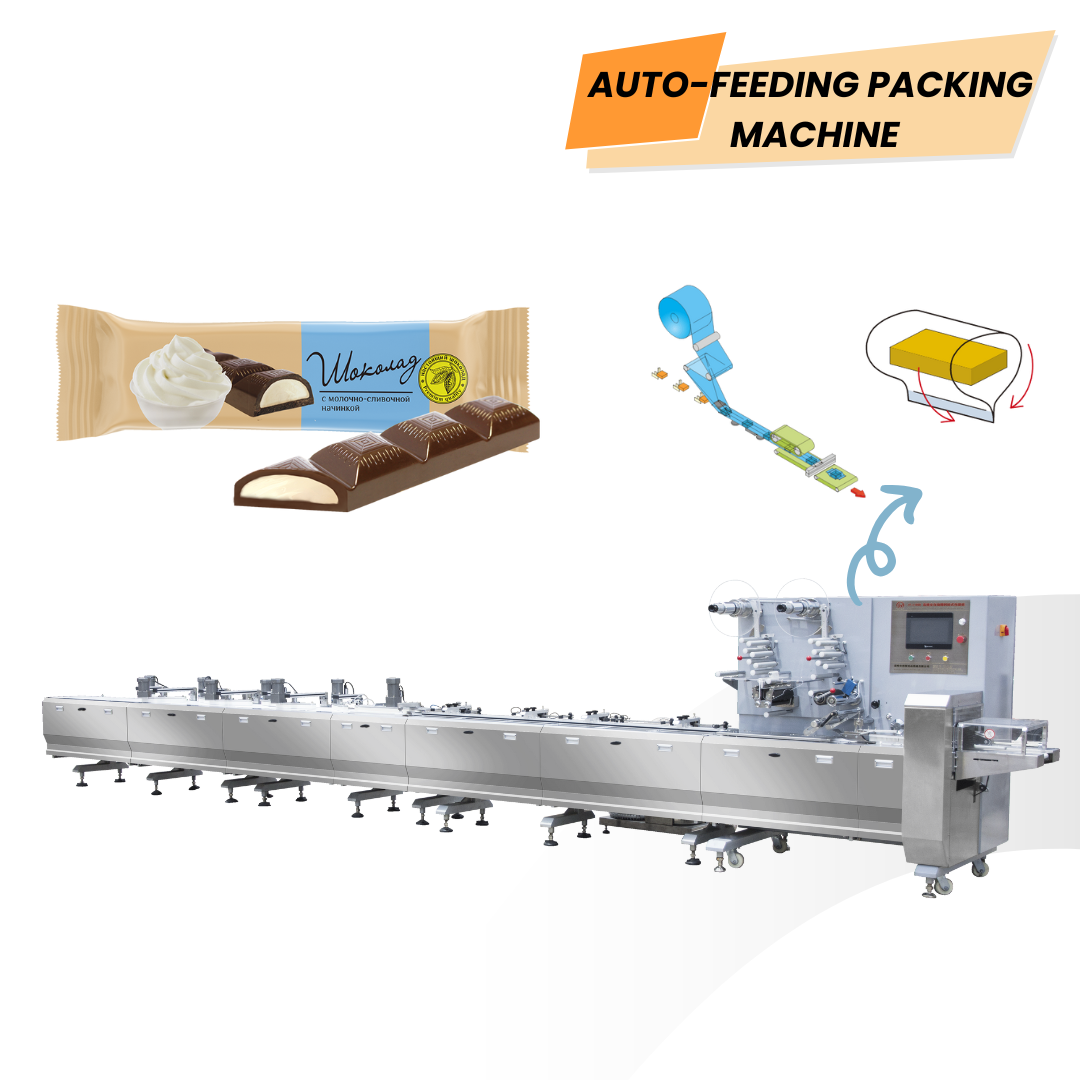
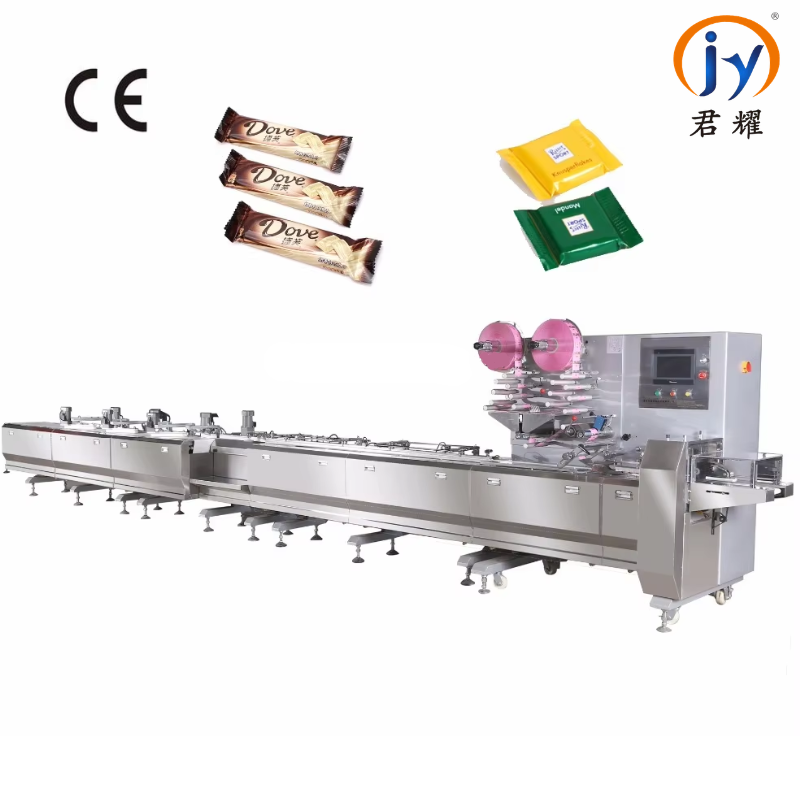
The JY-ZB2000AF features an integrated automatic feeding conveyor that accepts chocolate bars directly from the cooling tunnel or mold release station and delivers them to the wrapping position in precise alignment. The feeding conveyor uses a servo-driven timing belt with custom-designed product pockets that match the dimensions of the chocolate bars being packaged. This ensures consistent product positioning within the packaging film, which is essential for centered graphics alignment and uniform fin seal placement. The feeding speed is electronically synchronized with the film feed rate through the PLC control system, eliminating the manual product placement that would otherwise be required at high packaging speeds. The conveyor can be quickly adjusted for different bar sizes using the HMI touch screen, with stored recipe parameters that recall feed pocket spacing, belt speed, and timing settings for each product format.
2. Servo-Driven Film Feed for Precise Registration
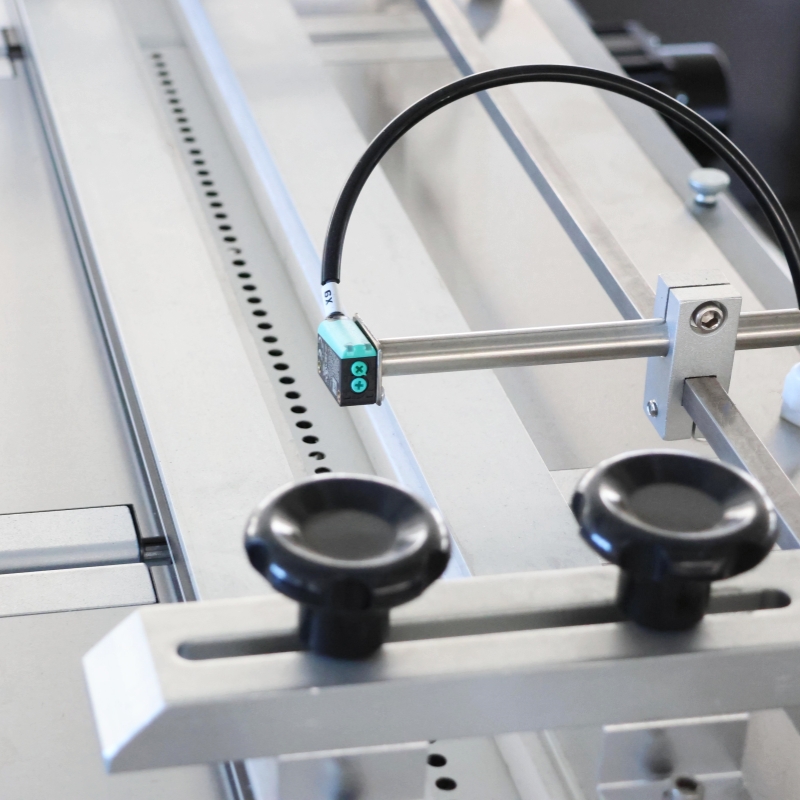
Film feed is controlled by a high-resolution servo motor that delivers precise, repeatable film advance lengths with positioning accuracy of plus or minus 0.5 mm. This level of precision is critical for chocolate bar packaging where printed film designs must align perfectly with the product to maintain brand presentation standards. The photoelectric registration system detects printed eye marks on the film and makes real-time micro-adjustments to the cutting position, compensating for film stretch, printing tolerances, and speed variations. The servo-driven system also enables rapid format changes — when switching from one bar size to another, the new film feed length is entered through the HMI and the servo automatically recalibrates, reducing changeover time to under 5 minutes. This capability is particularly valuable for chocolate producers who run multiple bar sizes on the same production line and need to maximize equipment utilization across their product portfolio.
3. Temperature-Controlled Sealing to Prevent Chocolate Bloom
Chocolate bloom — the whitish discoloration that appears on chocolate surfaces when cocoa butter migrates due to temperature fluctuations — is a primary quality concern in chocolate bar packaging. The JY-ZB2000AF addresses this with a precision temperature-controlled sealing system that maintains sealing jaw temperatures within a narrow tolerance band, preventing heat transfer from the sealing process to the chocolate product. The sealing jaws are designed with optimized contact geometry that minimizes dwell time on the film surface, achieving strong hermetic seals without prolonged heat exposure. Sealing temperatures are adjustable from 100°C to 200°C and are monitored by PID controllers that maintain set temperatures within plus or minus 2°C. For chocolate bars with sensitive coatings or inclusions, the machine can be configured with cooling air nozzles directed at the seal area to further reduce heat migration. This level of temperature control ensures that chocolate bars maintain their glossy surface finish and structural integrity throughout the packaging process.
4. Versatile Film Material Compatibility
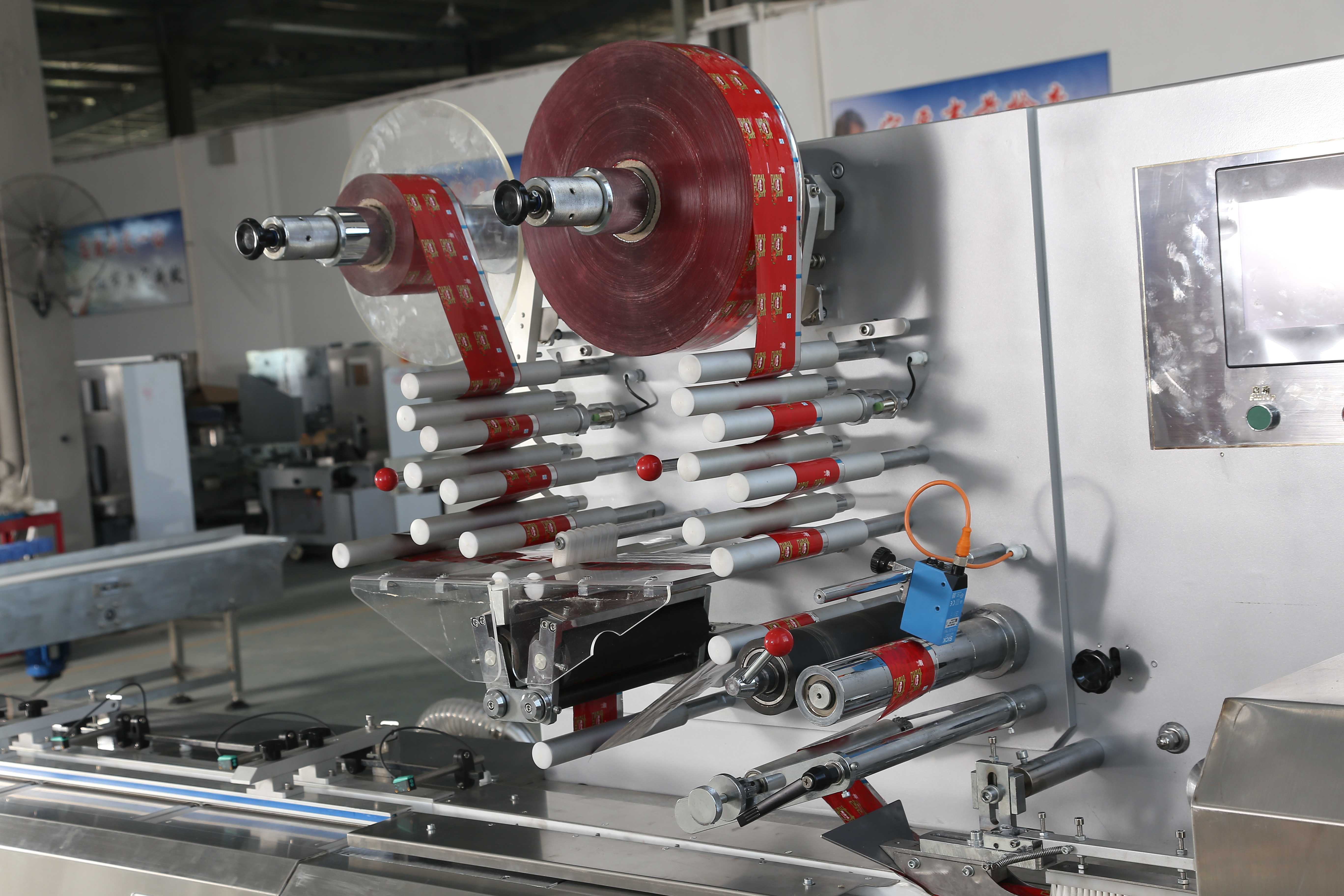
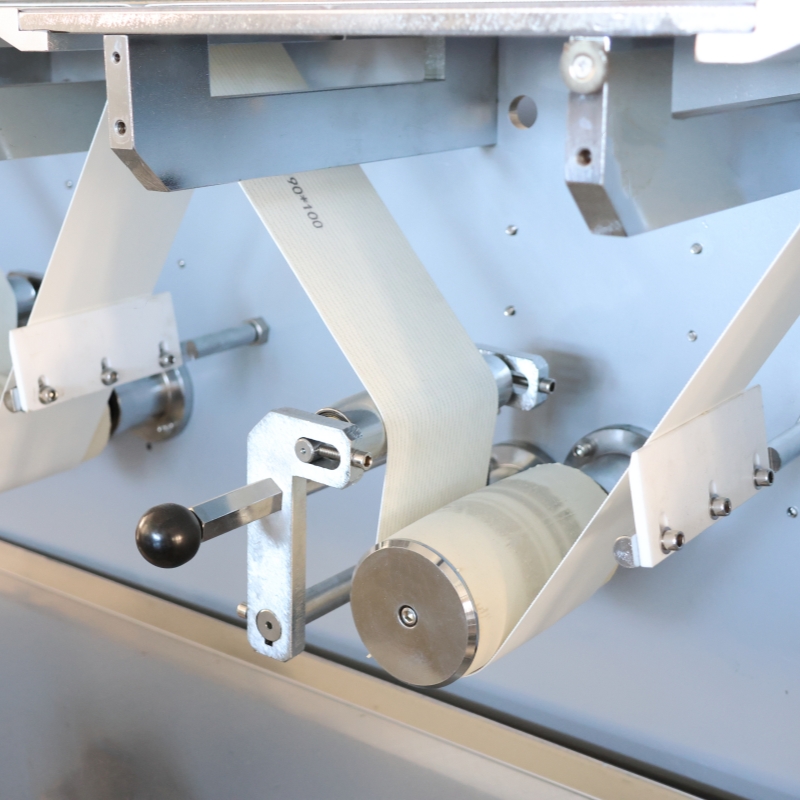
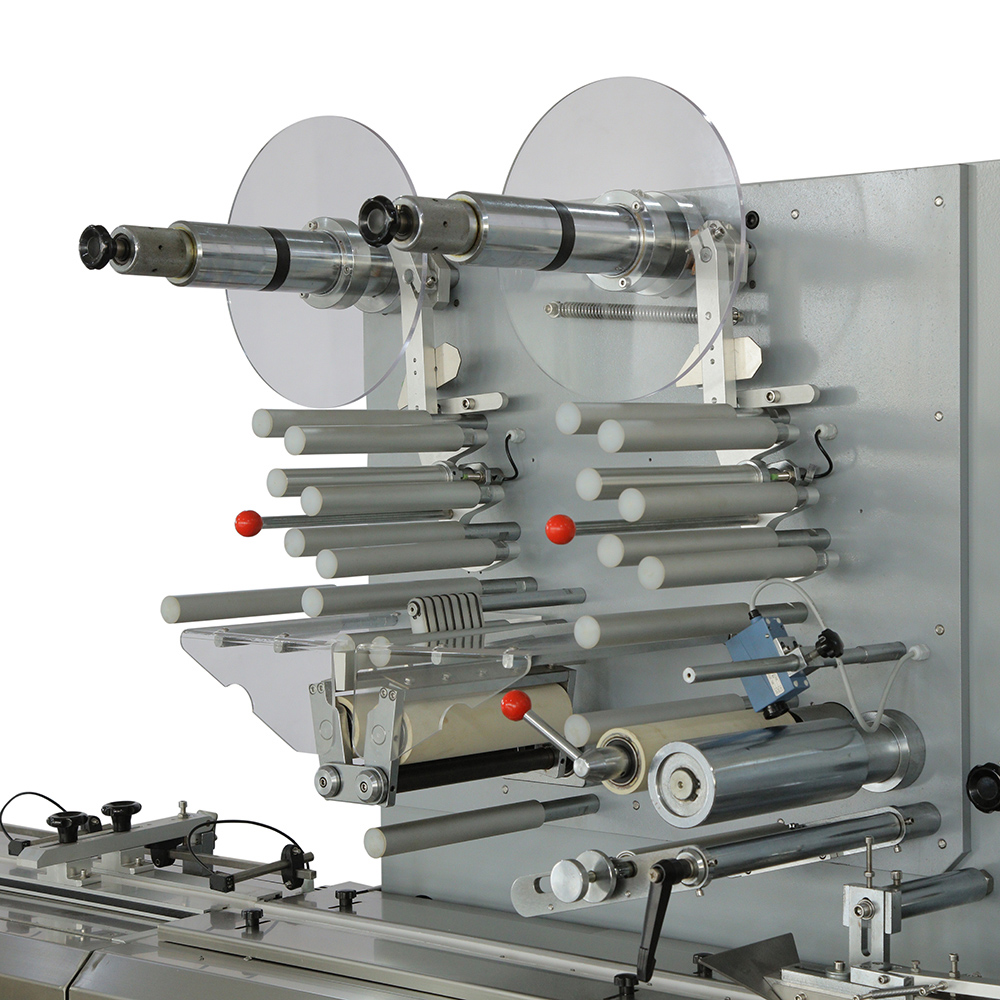
The JY-ZB2000AF is engineered to handle a wide range of packaging film materials commonly used in chocolate bar packaging. OPP/CPP laminates provide cost-effective barrier properties for standard chocolate bars, while metallized PET films offer enhanced moisture and oxygen barrier protection for premium products and for markets with challenging distribution environments. The machine's film handling system accommodates film thicknesses from 30 to 80 microns and manages film tension dynamically through the servo-driven feed system, preventing the wrinkles, tracking errors, and film breakage that can occur when film tension is not properly managed. The auto film splicing function allows continuous production during film roll changes — when a roll runs out, the operator loads a new roll, and the splicing mechanism joins the old and new film tails without stopping the machine, reducing material waste and production interruptions. This film handling versatility gives chocolate manufacturers the freedom to optimize their packaging material selection based on product requirements and market conditions.
5. PLC Control with Recipe Management
The machine's control architecture is built around an industrial PLC paired with a 7-inch color HMI touch screen. The system stores up to 50 product recipes, each containing all machine parameters for a specific chocolate bar format — film feed length, sealing temperatures, feeding speed, photoelectric registration sensitivity, and timing sequences. When changing products, the operator simply selects the appropriate recipe number and the machine automatically adjusts all settings, reducing format change time and eliminating the risk of manual parameter entry errors. The HMI provides real-time production monitoring including current packaging speed, total package count, film remaining on the roll, and system status indicators. Diagnostic alerts are displayed in plain language on the HMI screen, and the system maintains an event log that records all alarms and operator interventions for quality traceability purposes. The multi-language interface supports English, Chinese, Spanish, French, Arabic, and Russian.
6. Stainless Steel Construction with Hygienic Design
All product contact surfaces on the JY-ZB2000AF are manufactured from food-grade 304 stainless steel, including the feeding conveyor, product infeed chute, and sealing jaw assemblies. The machine frame is constructed from carbon steel with an epoxy powder coating for structural rigidity and corrosion resistance. The open frame design provides unobstructed access to all internal components for cleaning and maintenance, which is essential in confectionery production environments where chocolate residue must be removed regularly to prevent bacterial growth and allergen cross-contamination. The sealing jaw assemblies feature quick-release mounting that allows them to be removed for deep cleaning without tools. The machine's interior surfaces are designed without horizontal flat areas where chocolate debris could accumulate, and all welds are continuous and ground smooth to eliminate crevices. This hygienic design approach complies with international food safety standards including FDA and EU regulations for food contact equipment.