
 EN
EN
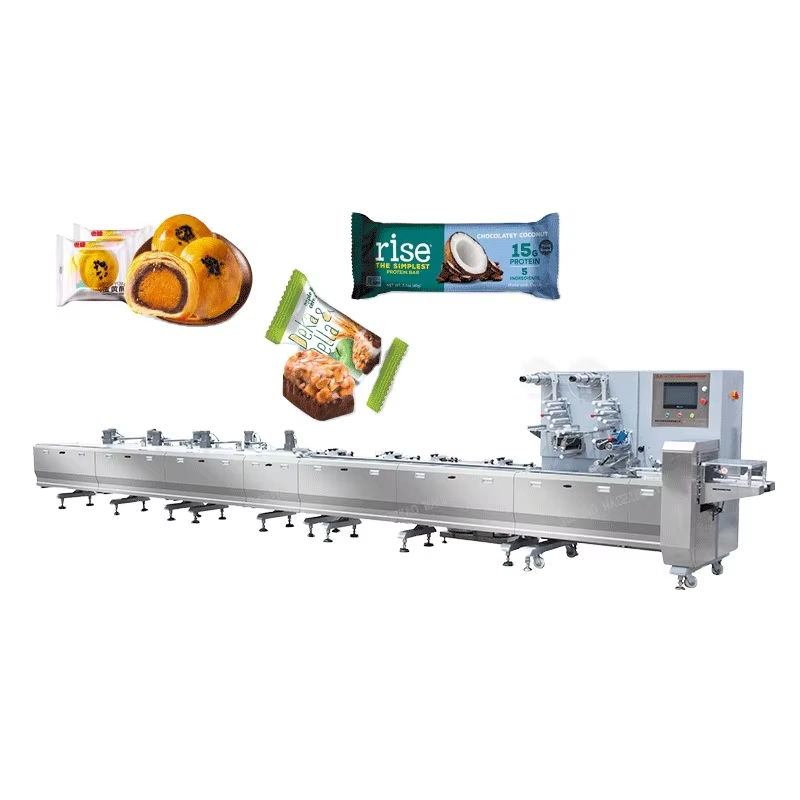
Small and medium-sized factories face intense pressure to improve efficiency, reduce labor costs, and maintain consistent product quality while competing against larger manufacturers. A flow packing machine offers a strategic solution that addresses all three challenges simultaneously. This specialized equipment automates the wrapping and sealing process, transforming how factories handle product packaging across multiple industries including food, pharmaceuticals, and consumer goods. Understanding why a flow packing machine has become indispensable for modern small and medium factories requires examining both the operational advantages and the broader business impact this technology delivers.
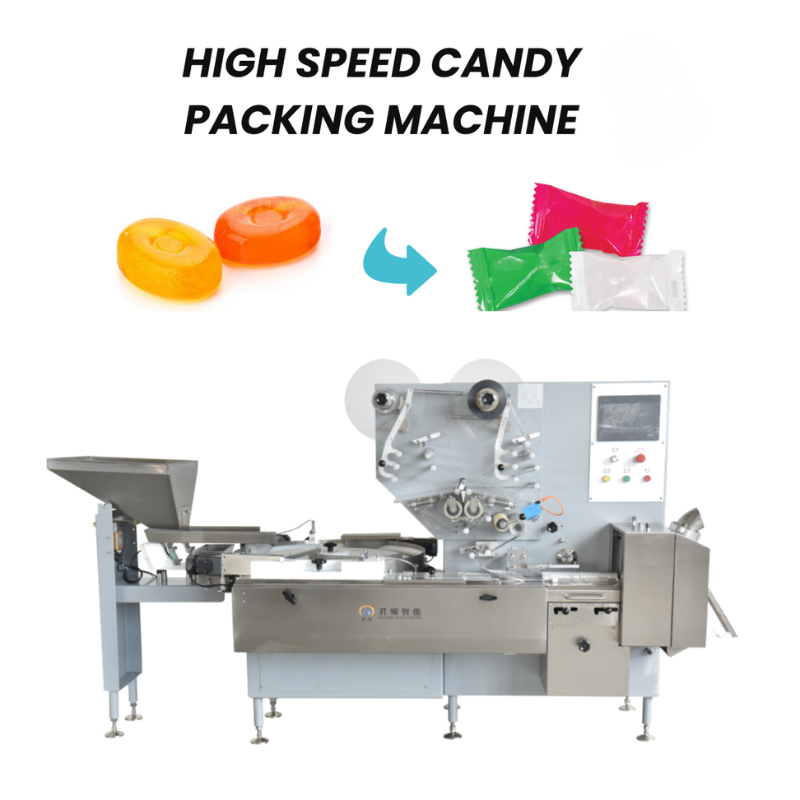
The adoption of a flow packing machine fundamentally reshapes production workflows by eliminating manual wrapping bottlenecks and enabling factories to process significantly higher volumes with minimal additional labor. For small and medium enterprises operating with limited staffing resources, this capability represents a substantial competitive advantage. Beyond volume increases, a flow packing machine ensures every wrapped product meets identical quality standards, reducing waste and customer complaints while building brand reputation. The investment in this technology directly translates into measurable improvements in throughput, cost structure, and market positioning.
Operational Efficiency and Production Speed
Eliminating Manual Wrapping Bottlenecks
Manual wrapping represents one of the most labor-intensive and time-consuming stages in product packaging. Small and medium factories typically employ multiple workers dedicated to wrapping tasks, each working at different speeds and producing variable quality results. A flow packing machine automates this entire process, wrapping products at consistent speeds ranging from dozens to hundreds of units per minute depending on the machine model and product specifications. This acceleration alone enables factories to double or triple their daily packaging output without hiring additional staff, directly improving labor productivity and reducing per-unit packaging costs significantly.
Consistent Production Throughput
Unlike manual operations where production speed fluctuates based on worker fatigue or skill variation, a flow packing machine operates at precisely controlled speeds throughout the entire shift. This consistency enables accurate production forecasting and reliable delivery commitments to customers. Factories using a flow packing machine can guarantee wrapping capacity and plan inventory management with confidence, whereas manual operations introduce unpredictable delays. The machine's continuous operation also maximizes facility utilization, allowing factories to meet seasonal demand spikes or take on larger customer orders without capital investment in additional factory space or equipment beyond the flow packing machine itself.
Quality Control and Product Consistency
Standardized Wrapping Quality Across All Units
Every product wrapped by a flow packing machine receives identical treatment regarding wrap tension, seal integrity, and appearance. Manual wrapping introduces human variability where some packages look premium while others appear poorly sealed or wrinkled. This inconsistency damages brand perception and increases customer returns, particularly in retail environments where appearance directly influences purchasing decisions. A flow packing machine eliminates this variability entirely, ensuring every package meets the manufacturer's quality standards. The result is a cohesive product presentation on retail shelves that builds consumer confidence and supports premium pricing strategies.
Reduced Waste and Material Optimization
Manual wrapping often results in excessive material waste due to operator errors, improper cutting, and seal failures that necessitate rewrapping. A flow packing machine uses precise cutting and sealing mechanisms calibrated to minimize material consumption while maintaining structural integrity. Advanced flow packing machine models include sensors that detect misfeeds or seal failures automatically, stopping operation or diverting defective packages before they enter inventory. This waste reduction directly improves material cost efficiency, and combined with faster production speeds, compounds the economic advantage of investing in a flow packing machine. Small factories particularly benefit from this efficiency because material costs represent a larger percentage of total operating expenses in smaller operations.
Cost Economics and Return on Investment
Labor Cost Reduction and Workforce Flexibility
The most immediate financial benefit of a flow packing machine emerges from labor cost reduction. Factories can reassign wrapping staff to higher-value tasks like quality inspection, product staging, or equipment maintenance rather than repetitive manual labor. This redeployment increases overall workforce productivity without increasing total headcount. For seasonal businesses or factories serving variable demand, a flow packing machine provides the flexibility to meet demand fluctuations without hiring temporary workers during peak periods. The machine operates consistently regardless of staffing levels, providing a stable production foundation that adapts to business cycles.
Total Cost of Ownership Analysis
Initial capital investment in a flow packing machine typically ranges from moderate to significant depending on machine specifications and production speed requirements, but this cost is recovered relatively quickly through operational savings. Most small and medium factories achieve payback periods between eighteen to thirty-six months when accounting for reduced labor costs, lower material waste, and improved production volume. Beyond the payback period, the flow packing machine continues generating margin improvement for years, often operating productively for a decade or longer with routine maintenance. The long operational lifespan means per-unit packaging costs decline steadily over time, creating sustained competitive advantage compared to competitors relying on manual operations. Additionally, higher production capacity from a flow packing machine often enables factories to accept larger orders or serve additional customer accounts without facility expansion.
Industry Applications and Versatility
Multi-Product Packaging Capability
Modern flow packing machine designs offer remarkable versatility across product categories including candy, chocolate, bread, baked goods, snacks, and other food items. The same flow packing machine can switch between different product types by adjusting settings like seal temperature, wrap length, and feed speed without requiring mechanical component changes. This flexibility enables factories to serve multiple customer segments or product lines using a single piece of equipment rather than maintaining separate machines for each product type. For small and medium manufacturers producing diverse product portfolios, this versatility dramatically improves return on investment by consolidating equipment needs and reducing maintenance complexity.
Adaptability to Market Changes
Market dynamics often require factories to shift product focus, enter new categories, or respond to customer preference changes. A flow packing machine accommodates these transitions seamlessly because reconfiguring the machine for new products takes hours rather than days or weeks. This agility enables small and medium factories to pivot their product mix rapidly in response to market opportunities without large capital redeployment. The flow packing machine's adaptability transforms equipment investment from a fixed commitment to a flexible asset capable of supporting business evolution across years of operation.
FAQ
What types of products can be wrapped using a flow packing machine?
A flow packing machine handles diverse product categories including confectionery items, bread, baked goods, chocolate, snacks, and various food products. The machine's adjustable parameters accommodate different product dimensions, weights, and material sensitivities. Certain flow packing machine models also wrap non-food items like pharmaceuticals, cosmetics, and consumer goods. Manufacturers should verify their specific product compatibility with available flow packing machine models before purchase, as some products with irregular shapes or extremely sensitive surfaces may require specialized handling capabilities.
How much space does a flow packing machine require in a factory layout?
Most flow packing machine installations occupy between 150 to 300 square feet depending on the specific model and whether additional peripheral equipment like infeed conveyors or product staging areas are included. Compact flow packing machine designs are available for factories with limited floor space, while larger models accommodate higher production volumes. The flow packing machine integrates efficiently into production lines between product preparation and box packing stages. Factories should consult with equipment suppliers to design optimal facility layouts that maximize flow packing machine productivity while maintaining safe operational clearances.
What maintenance does a flow packing machine require to maintain reliability?
Regular maintenance of a flow packing machine includes daily cleaning of sealing surfaces, weekly checks of mechanical components and seal integrity, and monthly lubrication of moving parts. Most flow packing machine manufacturers provide detailed maintenance schedules and training documentation. Preventive maintenance typically requires two to four hours monthly and significantly extends equipment lifespan while preventing unexpected downtime. Professional servicing during annual inspections identifies component wear patterns and enables predictive replacement before failures occur. Factories using a flow packing machine consistently report that rigorous maintenance protocols eliminate unexpected breakdowns and maintain consistent production performance throughout the equipment's operational life.