
 EN
EN
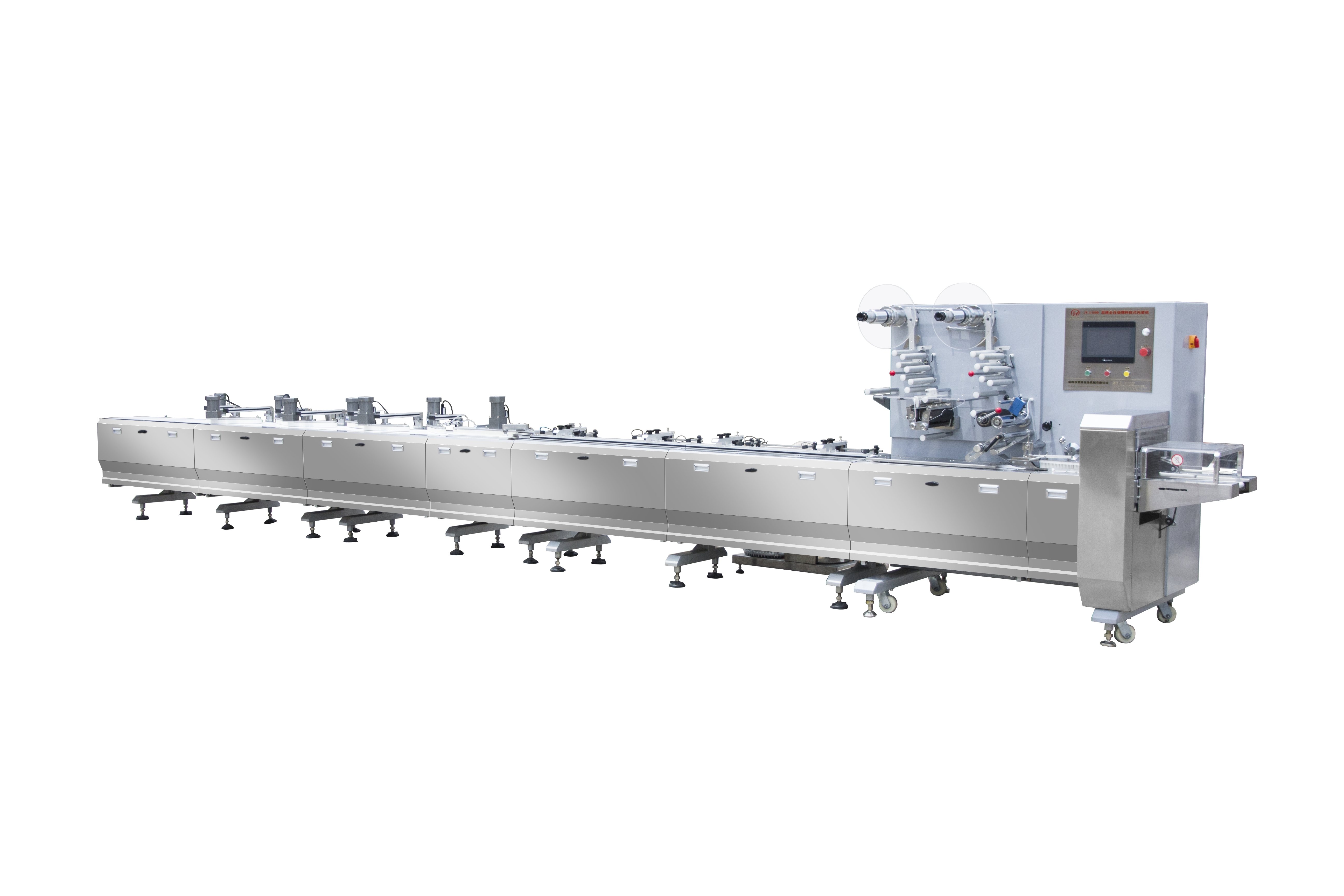
A flow packing machine is a critical piece of equipment in food, pharmaceutical, and consumer goods manufacturing. Understanding the safety and compliance standards that a flow packing machine must meet is essential for protecting workers, ensuring product quality, and maintaining regulatory compliance. Every industrial facility that operates a flow packing machine faces the responsibility of adhering to local, national, and international standards that govern equipment design, operation, and maintenance.
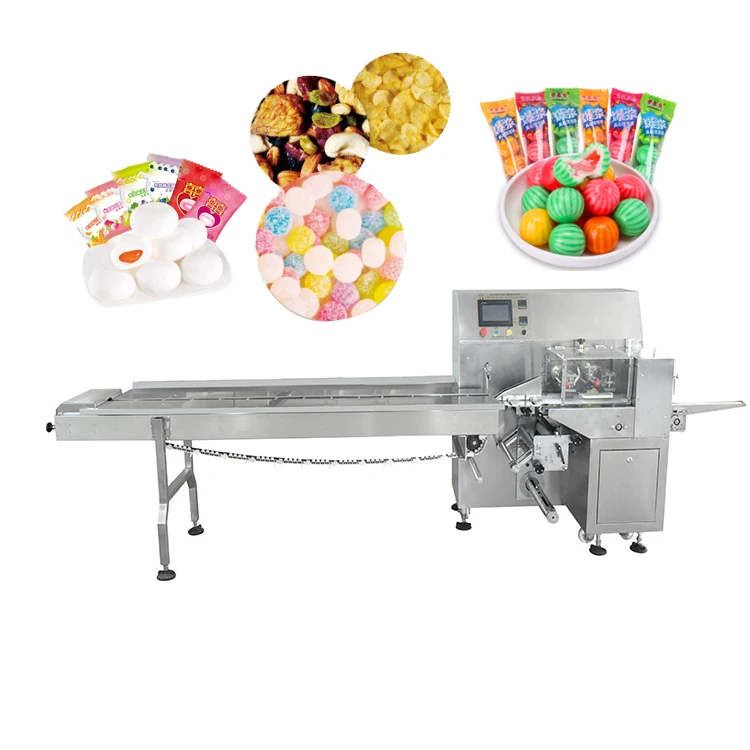
The regulatory landscape for packaging machinery has become increasingly stringent over the past decade. Manufacturers and facility operators must ensure that their flow packing machine installations comply with multiple overlapping standards including machinery directives, electrical safety codes, food contact regulations, and occupational safety guidelines. Failure to meet these requirements can result in equipment shutdowns, costly recalls, legal liability, and worker injuries. This comprehensive guide explores the key safety and compliance standards that every flow packing machine operator and purchaser must understand.
Machinery Safety Directives and Standards
Core Machinery Directive Requirements for Flow Packing Machines
The primary regulatory framework for a flow packing machine in most industrial markets is the Machinery Directive, which establishes mandatory safety and health requirements. A flow packing machine must incorporate guarding systems that prevent operator contact with moving components during normal operation and maintenance. Guards must be designed so that removal or bypass requires intentional effort and leaves no unprotected hazardous areas. The directive mandates that a flow packing machine include emergency stop systems that immediately halt all dangerous motion when activated by operators or maintenance personnel. These systems must be easily accessible, prominently marked, and capable of bringing the flow packing machine to a controlled stop within defined timeframes.
Risk assessment is another cornerstone requirement for any flow packing machine installation. Before a flow packing machine enters service, facility managers must conduct comprehensive hazard identification and risk evaluation. This process examines crushing points, pinch hazards, rotating elements, sharp edges, and thermal hazards inherent to the flow packing machine design. Documentation of this risk assessment becomes a legal record and demonstrates due diligence. The flow packing machine manufacturer must provide detailed technical files, hazard analysis reports, and compliance certificates proving that the equipment meets all applicable machinery safety standards before it is sold or installed.
ISO Standards Applicable to Flow Packing Machines
International Organization for Standardization (ISO) standards provide detailed technical specifications that complement machinery directives. ISO 12100 is the foundational standard for machine safety and applies directly to flow packing machine design and operation. This standard requires that a flow packing machine be designed with inherent safety features that minimize risks at the source rather than relying solely on guarding. ISO 13852 and related standards address specific hazards associated with pressure systems, which are often present in a flow packing machine for film feeding and product advancement. Compliance with these ISO standards ensures that a flow packing machine incorporates best practices in hazard mitigation and operator protection.
Electrical Safety and Control System Standards
Electrical Safety Requirements for Flow Packing Machines
Electrical safety is paramount for any flow packing machine because these systems typically operate at voltages and power levels that pose serious electrocution and thermal hazards. IEC 61800 series standards govern electrical safety of flow packing machine control systems and drive components. A flow packing machine must have properly grounded electrical distribution, circuit protection that prevents overloads and short circuits, and insulation that withstands normal operating voltages with safety margins. Emergency electrical disconnects must be installed adjacent to the flow packing machine so that operators can quickly cut power during emergencies. The electrical design of a flow packing machine must also prevent residual voltage hazards that could pose danger even after the main power is disconnected.
Control System Safety Integrity
The control system of a flow packing machine must meet Safety Integrity Level (SIL) requirements that are proportional to the risks it manages. A flow packing machine that handles high-speed film feeding or product advancement requires higher SIL ratings because system failures could cause rapid, severe injuries. IEC 61508 and IEC 62061 establish the frameworks for assessing and implementing control system safety. A modern flow packing machine typically incorporates redundant sensors, dual-channel monitoring of critical functions, and diagnostic coverage that detects failures before they compromise safety. Regular validation and functional safety testing of the flow packing machine control system is required to maintain compliance.
Product Contact and Food Safety Compliance
Food Contact Material Regulations
When a flow packing machine is used in food, beverage, or pharmaceutical applications, materials that contact products must meet food safety regulations established by regulatory authorities. In the United States, FDA regulations require that a flow packing machine components contacting food be made from approved materials and maintain cleanliness standards that prevent cross-contamination. In the European Union, Regulation EC 1935/2004 specifies that a flow packing machine handling food must use materials that do not transfer harmful substances to products. Any flow packing machine intended for pharmaceutical applications faces even stricter requirements because product purity directly affects human health and safety.
Hygiene and Sanitation Standards
Design for cleanability is a critical requirement for any flow packing machine used in regulated industries. A flow packing machine must have smooth surfaces, sealed corners, and easily removable components that allow thorough cleaning without harboring product residues or pathogens. HACCP (Hazard Analysis and Critical Control Points) compliance requires that the flow packing machine manufacturer provide documentation showing how their equipment supports cleanability and contamination prevention. A flow packing machine that cannot be adequately cleaned may become a vector for foodborne illness or product spoilage. Validation protocols must be established for every flow packing machine installation to verify that cleaning procedures achieve required sanitation levels.
Occupational Safety and Operator Protection
Hazard Communication and Operator Training
Comprehensive hazard communication is essential for safe operation of any flow packing machine. Manufacturers must provide clear labeling, warning symbols, and instruction manuals that identify all hazards associated with the flow packing machine. OSHA and equivalent standards in other countries require that operators receive documented training on the specific flow packing machine model, including normal operation, emergency procedures, and maintenance safety. This training must be updated whenever the flow packing machine is modified or when operational procedures change. Safety data sheets for all consumables used with a flow packing machine, such as film materials or lubricants, must be readily accessible to operators and maintenance personnel.
Noise, Vibration, and Ergonomic Considerations
A flow packing machine must meet noise emission standards that protect operator hearing during extended exposure. Many jurisdictions require that a flow packing machine operating at sustained noise levels above 85 decibels be equipped with noise abatement features or that operators use hearing protection. Vibration from a flow packing machine can cause cumulative hand-arm vibration syndrome if operators or maintenance workers are exposed repeatedly. The flow packing machine design should minimize vibration through proper mounting, dynamic balancing, and material selection. Ergonomic assessment of the flow packing machine workspace ensures that normal operation does not require awkward postures or excessive repetitive motions that cause musculoskeletal strain.
FAQ
What are the main regulatory bodies that establish flow packing machine standards?
The primary regulatory bodies include the International Organization for Standardization (ISO), the International Electrotechnical Commission (IEC), the European Union through machinery directives and food safety regulations, and national authorities such as OSHA in the United States and similar bodies in other countries. Each region may have specific requirements that a flow packing machine must satisfy. Manufacturers typically design their flow packing machine models to meet multiple standards simultaneously to serve global markets, though some requirements may be region-specific.
How often must a flow packing machine be inspected for compliance?
Inspection frequency depends on the specific standards applicable to your flow packing machine and local regulations. Many jurisdictions require that a flow packing machine undergo annual safety inspection by qualified personnel. High-risk environments or machines handling hazardous materials may require more frequent flow packing machine inspections. Additionally, whenever a flow packing machine is modified, relocated, or after an incident occurs, immediate inspection is necessary. Maintenance records for your flow packing machine should document all inspections and any corrective actions taken.
Can an older flow packing machine be retrofitted to meet current safety standards?
Many older flow packing machine installations can be retrofitted with modern safety features such as updated guards, improved emergency stop systems, and upgraded control systems that meet current standards. However, the feasibility and cost-effectiveness of retrofitting a flow packing machine depends on its original design and the specific standards applicable in your region. In some cases, a flow packing machine may be so outdated that retrofitting is impractical compared to purchasing new equipment. A qualified safety professional can assess your flow packing machine and recommend whether retrofitting or replacement is the better investment for maintaining compliance and protecting workers.