
 EN
EN
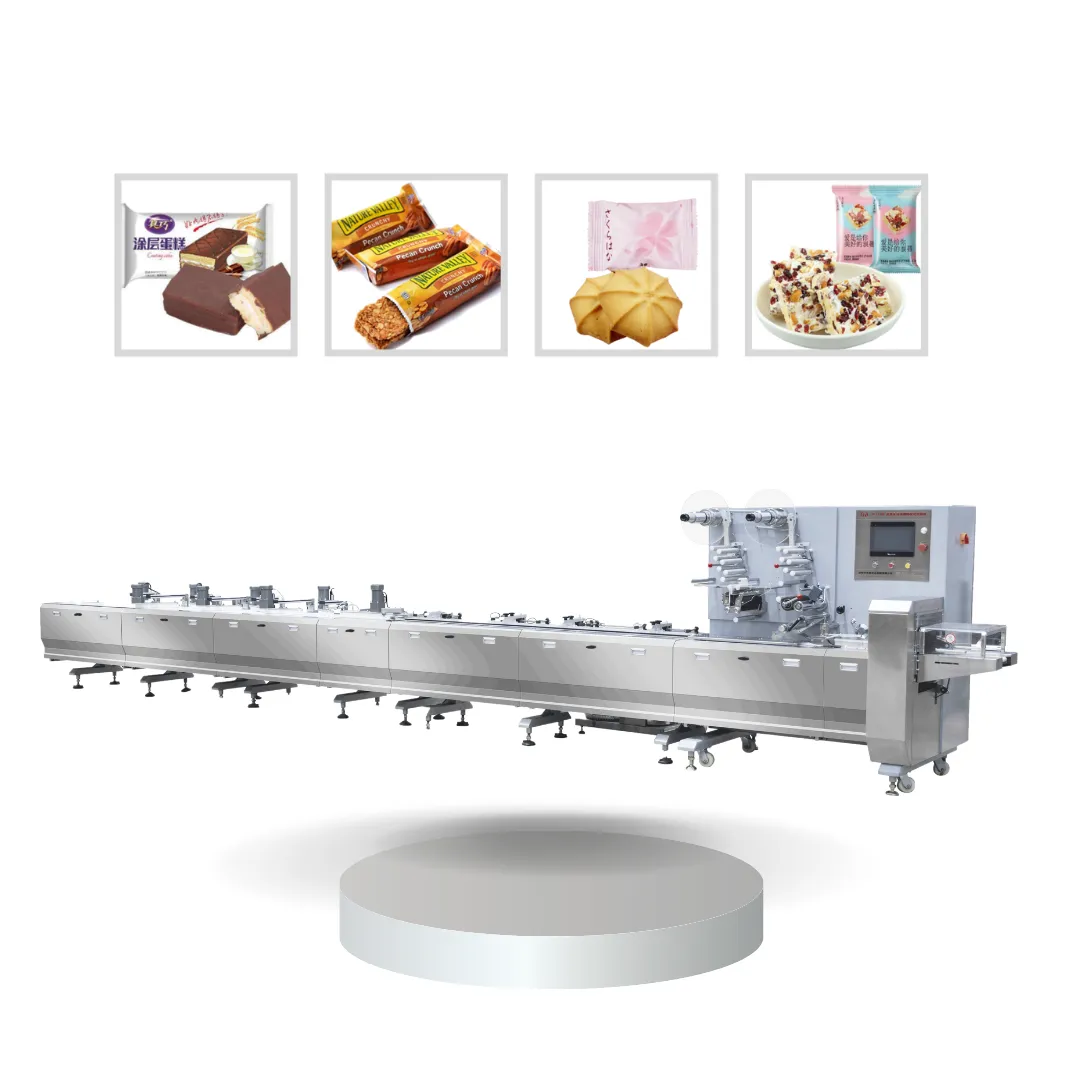
Eliminating Bottlenecks: Speed and Throughput with Chocolate Packaging Machines
High-speed flow-pack automation vs. manual wrapping: cycle time reduction and throughput gains
When it comes to chocolate wrapping, manual methods just can't keep up with demand. A typical human worker might take around 5 seconds per piece, while automated flow pack systems zip through at under 1.2 seconds each. That kind of speed difference makes all the difference when looking at hourly output numbers. Manual processes simply can't match the volume that machines handle. Automated systems also eliminate those random hand movements that lead to inconsistencies. Machines work consistently throughout their shifts without getting tired, which cuts down on damaged products during packaging by roughly 90%. Industry insiders tell us that companies investing in automation see dramatic improvements in their production lines. Many report getting about 60% better utilization rates within the first year after implementing these systems, making a strong case for why so many chocolate producers are going machine-based these days.
Real-time quality assurance at speed: integrated vision systems and seal integrity monitoring
Chocolate packaging lines now come with advanced vision systems that can spot over 200 issues every minute. These systems catch all sorts of problems from crooked wrappers to tiny blemishes on the candy surface that nobody would notice just by looking. At the same time, thermal sensors keep tabs on those crucial sealing spots along the production line, stopping any potential leaks before they happen and keeping air out so the chocolate stays fresh longer. The combination of these two quality checks keeps rejected products down to under 1% even when running flat out, which is way better than what happens with manual checks where around 15% of bad packages slip through during busy periods. Most modern machines also include MAP technology for extended shelf life. This involves automatically injecting the right mix of gases into each package, something that has become standard practice across the industry.
Guaranteeing Product Integrity: Precision and Quality Control in Chocolate Packaging Machines
Automated systems ensure chocolate products maintain freshness, appearance, and safety from factory to consumer.
Cold-seal automation: preserving chocolate temper and surface finish through temperature-controlled packaging
The cold seal automation technique works at much lower temperatures than traditional methods, which helps keep chocolates looking beautiful and tasting great. When manufacturers avoid exposing chocolate to heat during packaging, they stop those annoying sugar crystals from forming on the surface and maintain that satisfying crunch when someone bites into it. The system actually has tiny temperature monitors built right in that constantly check what's happening and tweak the settings as needed so no moisture gets inside or damages the package somehow. What makes this approach really stand out is that there's almost zero variation between different runs of products coming off the line, something that can be tricky to achieve consistently when people are doing the work manually.
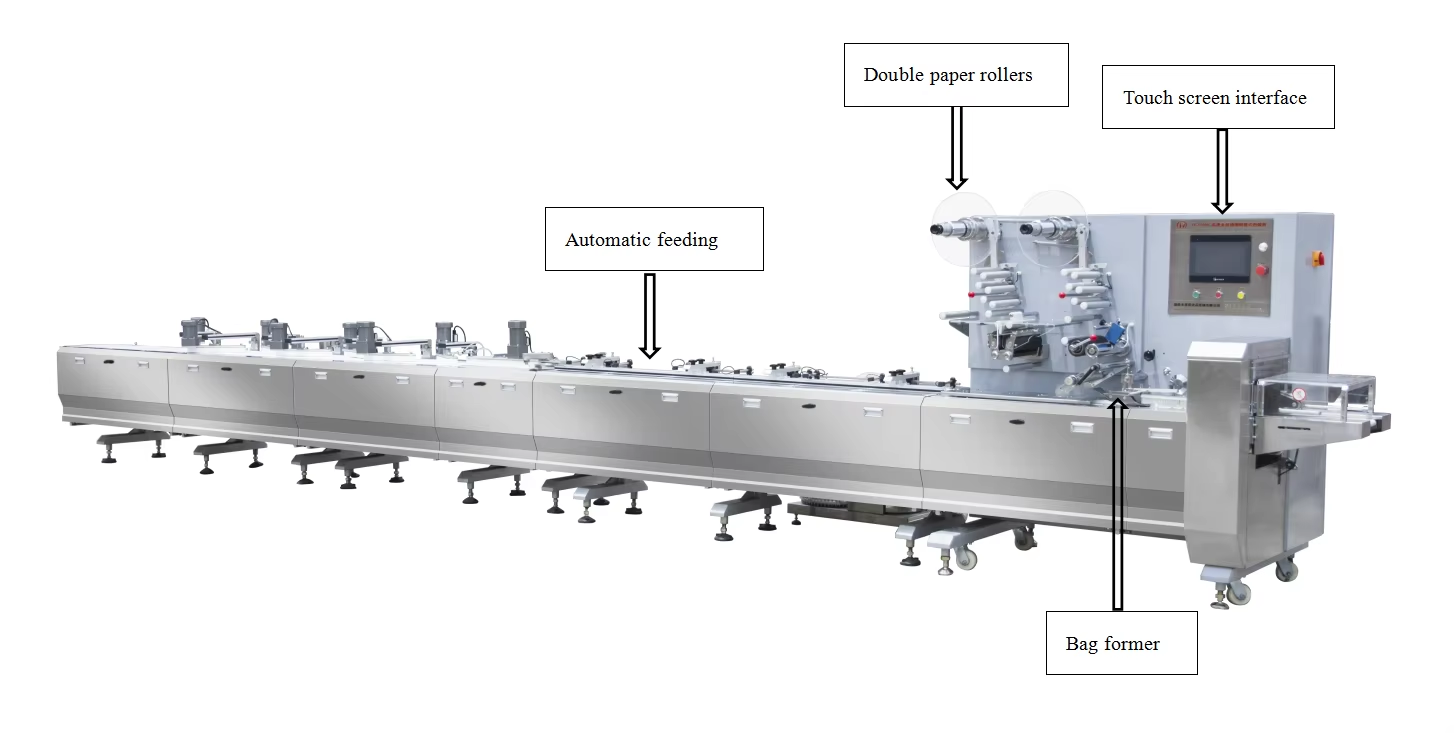
Defect reduction of 92%: how automated chocolate packaging machines enforce consistency and compliance
The implementation of automated packaging systems cuts down on defects by around 90% or so thanks to their standardized approach and constant monitoring for quality issues. These systems come equipped with vision technology that spots problems like off-center seals or unwanted particles getting mixed in, then sends those faulty items right out of the production line. When it comes to sealing products, these machines apply just the right amount of pressure consistently across all units, which means fewer leaks and less chance of anything getting contaminated during transport. Most modern systems already include compliance features for important food safety regulations such as HACCP requirements, making audits much smoother and keeping track of each item throughout the process. All this attention to detail not only saves money by cutting down on wasted materials but also lowers the chances of having to pull products from shelves later on, something that definitely builds trust among consumers who want to know what they're buying is safe.
Optimizing Total Cost of Ownership: Labor, Waste, and ROI of Chocolate Packaging Machines
For companies producing large volumes of chocolate products, investing in automated packaging equipment can completely change how money flows through their operations. Manual wrapping setups need around 12 to 15 workers on staff, costing roughly $42k each year per person according to BLS data from last year. Switching to automated systems cuts down on personnel requirements by anywhere between 40% and 60%, plus they run non-stop day after day. The real money saver comes from cutting down on wasted materials. Packaging makes up nearly a third of all production expenses, so even small improvements here matter a lot. Many factories have seen their film and foil consumption drop by as much as 30% thanks to better tension management during wrapping and smarter cutting techniques. Most businesses see their investment pay off within just over a year, sometimes even faster. And let's not forget those $740k worth of mistakes that get avoided annually due to human error when doing things manually, per Ponemon Institute research. Over time, companies save big on both labor costs and raw materials while losing fewer finished goods, which is why serious manufacturers looking to optimize their bottom line simply cannot ignore these kinds of machines anymore.
Future-Proofing Production: Integration, Flexibility, and Scalability of Chocolate Packaging Machines
Modern chocolate packaging machines enhance production agility through seamless integration with upstream processes such as molding and cooling, minimizing manual intervention and maximizing throughput.
Seamless line integration: rapid changeovers for multi-format chocolate packaging (bars, truffles, clusters)
With advanced automation, changing between different product formats takes less than five minutes something that matters a lot for companies dealing with mixed or seasonal production runs. The modular tooling system lets factories switch from making bars to truffles or clusters without stopping the line entirely, cutting down downtime around 70 percent versus older semi automated equipment. When they switch between various chocolate products, real time sensors tweak sealing settings and alignment on their own, keeping weights spot on within half a gram tolerance while preserving those delicate surface details too. Such flexibility means manufacturers can jump on market trends fast, especially when launching special edition products, all without spending big bucks on complete system overhauls.
FAQ
Why are automated systems preferred over manual methods for chocolate packaging?
Automated systems are faster, reduce defects by around 90%, and cut labor costs significantly. They provide consistent quality and throughput that manual methods cannot match.
How do vision systems in chocolate packaging lines improve quality?
Vision systems detect defects like crooked wrappers and blemishes not visible to the naked eye, ensuring product quality and reducing defects below 1%.
What is the role of cold seal automation in chocolate packaging?
Cold seal automation preserves chocolate temper and surface finish by avoiding heat, maintaining product quality by preventing moisture and sugar crystal formation.
How does automation affect the total cost of ownership of chocolate packaging machines?
Automation reduces labor costs by 40-60%, decreases material wastage by 30%, and increases productivity, with most investments paying off within a year.
What flexibility do modern chocolate packaging machines provide?
They allow rapid changeovers between product formats in under five minutes, aiding manufacturers in adapting to market trends without extensive overhauls.
Table of Contents
- Eliminating Bottlenecks: Speed and Throughput with Chocolate Packaging Machines
- Guaranteeing Product Integrity: Precision and Quality Control in Chocolate Packaging Machines
- Optimizing Total Cost of Ownership: Labor, Waste, and ROI of Chocolate Packaging Machines
- Future-Proofing Production: Integration, Flexibility, and Scalability of Chocolate Packaging Machines
-
FAQ
- Why are automated systems preferred over manual methods for chocolate packaging?
- How do vision systems in chocolate packaging lines improve quality?
- What is the role of cold seal automation in chocolate packaging?
- How does automation affect the total cost of ownership of chocolate packaging machines?
- What flexibility do modern chocolate packaging machines provide?