
 EN
EN
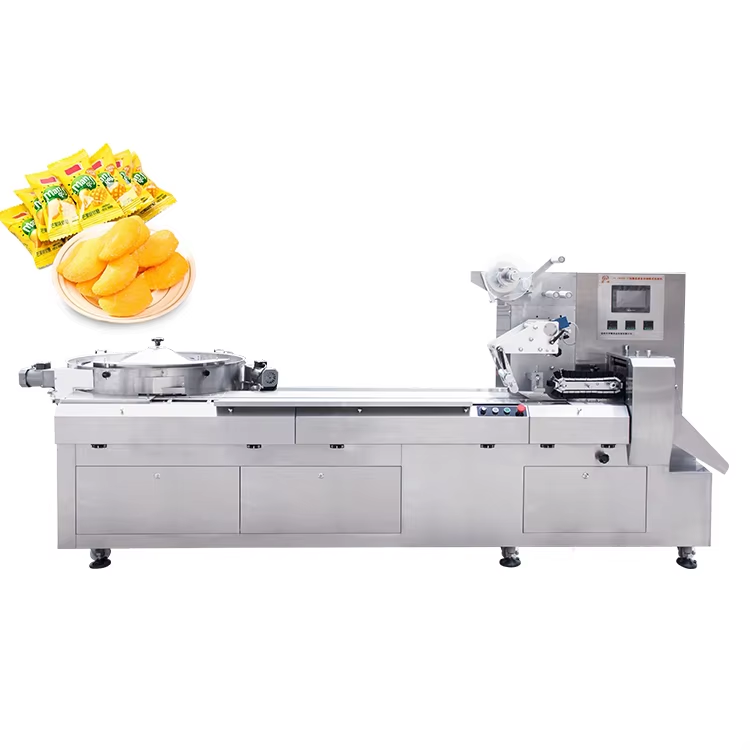
What Is a Candy Packaging Machine? Core Definition and Industrial Purpose
Candy packaging machines are basically automated systems that handle wrapping, sealing, and labeling all sorts of sweets on a large scale. These machines bring together various components like feeders, wrapping units, heat sealers, and coders to turn loose candies such as gummies, chocolates, and hard sweets into packages ready for store shelves. The main job goes way beyond just putting things in boxes. They help maintain hygiene standards, keep products fresh longer by stopping moisture and dirt from getting in, and let brands stand out with accurate labels. When companies switch to these automated lines, they typically see their production double while cutting down on labor expenses significantly. For anyone running a serious candy business, these machines have become essential parts of keeping up with demand without breaking the bank.
Key functions include:
- Protection: Shielding candies from physical damage, humidity, and oxidation during transit.
- Efficiency: Processing thousands of units hourly with minimal human intervention.
- Compliance: Adhering to food safety regulations (e.g., FDA, EU standards) via sealed, tamper-evident packaging.
For manufacturers, this technology bridges production scalability and consumer safety, directly improving profitability through waste reduction and accelerated time-to-market.
How a Candy Packaging Machine Works: Step-by-Step Workflow and Key Components
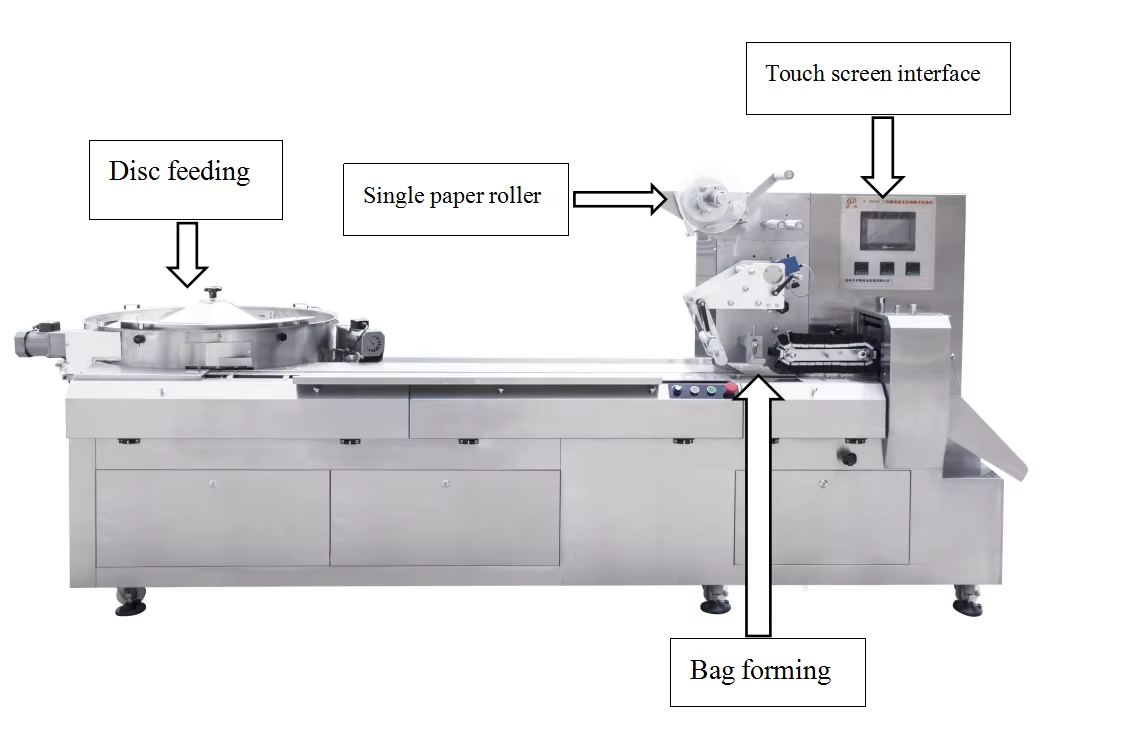
From hopper to coder: The integrated sequence of feeding, counting, filling, sealing, and labeling
The candy packaging machine takes loose gummies and turns them into ready-for-store packs across five different stages working together. When bulk candies come in, they pass through vibratory feeders which stop them from sticking together, something really important when dealing with gooey stuff. Next up are either photoelectric sensors or those multi-head weighers that count each piece accurately within about 1 percent error margin. Then comes the part where servo controlled gates put just the right amount of candy into those pre-made pouches or wrap them in flow wrap film. The heat sealers do their thing creating tight seals at temperatures between 120 and 150 degrees Celsius so nothing gets stale. And last but not least, there are these continuous inkjet coders that print out batch numbers and expiration dates on over 200 packs every single minute. All this automated process cuts down on manual labor by around ninety percent while keeping things clean and hygienic. Modern programmable logic controllers handle all the coordination between parts using Ethernet IP networks behind the scenes.
Real-world impact: How Haribo's 2023 automated line upgrade cut labor use by 62% and boosted OEE
The Haribo factory's 2023 upgrade to automated systems brought some serious efficiency boosts. They swapped out those old manual workstations for robotic arms that grab and place items, plus added smart cameras powered by artificial intelligence to check quality. This move cut down on staff needs by nearly two thirds across the board. At the same time, their Overall Equipment Effectiveness jumped almost 30%. Why? Well, they installed these special vibrating conveyor belts that stop those annoying jams when gummy candies get stuck together. Their maintenance team also started using computer algorithms to predict when machines might break down, saving them over 40% in downtime. And let's not forget about the tool changes between products, which now happen almost three quarters faster than before. All these changes paid for themselves within just 11 months, while boosting production capacity by a whopping 17,000 packs every single hour. Talk about solving those pesky issues with speed and consistency that plague so many candy makers.
Types of Candy Packaging Machines for Gummies: Matching Technology to Product Format
Gummy candies demand specialized packaging solutions due to their sticky texture and irregular shapes. Three primary systems dominate the market: vertical form-fill-seal (VFFS), rotary pouch packers, and bottle/jar fillers, each optimized for distinct operational priorities.
Vertical form-fill-seal (VFFS) vs. rotary pouch packers vs. bottle/jar fillers — speed, precision, and scalability trade-offs
Vertical form fill seal (VFFS) machines work by forming pouches directly from film rolls as they fill and seal gummy products all in one continuous motion. These systems can hit speeds above 200 bags per minute which makes them great for large scale production runs, although oddly shaped items might cause some issues with accurate portioning. For rotary pouch packing equipment, manufacturers typically use pre-made pouches mounted on spinning turrets that can reach well over 300 units per minute with almost spot-on control when dealing with consistently sized gummies. The downside? Changing formats takes time and effort, which isn't so good if business needs shift frequently. When it comes to bottle or jar filling operations, many setups rely on vibrating feed mechanisms combined with counting nozzles designed specifically for rigid containers. While these systems boast impressive accuracy rates around 99.8%, their slower pace of only about 50 containers per minute means they aren't really suited for massive volume requirements.
| Machine Type | Speed (units/min) | Precision | Scalability | Best Fit |
|---|---|---|---|---|
| VFFS | 200+ | Moderate | High | Bulk pouches |
| Rotary pouch packers | 300+ | High | Moderate | Uniform portion packs |
| Bottle/jar fillers | 50 | Very High | Low | Premium rigid containers |
For gummy producers, VFFS balances speed and flexibility for mass-market bags; rotary systems maximize throughput for standardized formats; and bottle fillers ensure premium presentation despite slower rates.
Engineering Innovations That Solve Gummy-Specific Challenges
Anti-stick coatings, vibration-assisted feed systems, and smart counting for irregular, sticky gummies
The gooey nature and odd shapes of gummy candies have always been a headache for automated packaging lines. Smart companies are tackling this problem with three main approaches these days. First, they apply special food-safe coatings to all parts that touch the candy, which stops those annoying sticky residues from building up after hours of running. Then there are these vibration systems that gently shake the conveyor belts at just the right frequency to separate stuck together candies without squishing anything. But what really makes it work is the AI vision technology counting each piece with almost perfect accuracy (around 99.8%) even when they come in different sizes and orientations. Putting all these together cuts down machine stoppages by roughly 40% and saves about 19% on wasted materials compared to older methods. Take the case of a candy factory in Germany last year where these improvements allowed them to package sticky treats at speeds over 200 packs per minute without slowing down, which obviously helps keep costs down and quality consistent across batches.
FAQ
What are the main benefits of automated candy packaging machines?
Automated candy packaging machines improve production efficiency, ensure product hygiene, prevent contamination, and significantly reduce labor costs. They allow for accurate labeling, adherence to food safety regulations, and longer shelf life for products.
How do candy packaging machines maintain product quality?
These machines seal the candies in packaging that protects them from moisture, physical damage, and oxidation, ensuring the product stays fresh and safe for consumption.
What types of candy packaging machines are suitable for gummy candies?
For gummy candies, the most suitable machines are vertical form-fill-seal systems, rotary pouch packers, and bottle/jar fillers, each designed for different packaging speeds, precisions, and scalability needs.
Table of Contents
- What Is a Candy Packaging Machine? Core Definition and Industrial Purpose
- How a Candy Packaging Machine Works: Step-by-Step Workflow and Key Components
- Types of Candy Packaging Machines for Gummies: Matching Technology to Product Format
- Engineering Innovations That Solve Gummy-Specific Challenges
- FAQ