
 EN
EN
Precision Film Handling and Waste Reduction with Chocolate Packaging Machines
Trim Optimization and Tension Control in Flow Wrap Systems
Today's chocolate packaging equipment incorporates servo-driven trim optimization that cuts down on extra film at those crucial sealing points where chocolate bars need protection from damage. The machines also feature integrated tension control systems which keep the film feeding at just the right rate even when running fast. Without this precision, we'd see problems like stretched film, tears, or misaligned packaging that can send entire batches straight to the reject pile. Looking at older packaging systems, they tend to waste around 8.3% of their film because of poor tension management. For companies producing moderate volumes, this adds up to roughly $740,000 lost each year according to Packaging Digest's report from last year.
Quantifying Gains: Cutting Film Usage Variance from 8% to <2%
Next-generation machines reduce film usage variance from historical averages of 8% to a tightly controlled sub-2% range. This consistency stems from three integrated technologies:
- Laser-guided cutting systems, adjusting trim in real time based on live product dimension data
- Predictive material sensors, compensating for micro-variations in film thickness during unwinding
- Closed-loop feedback mechanisms, dynamically regulating seal pressure and temperature to match material behavior
Together, these features cut annual film consumption by 23–27%, while sustaining 99.4% seal integrity—essential for protecting chocolate freshness and shelf life.
Labor and Operational Cost Savings from Automated Chocolate Packaging Machines
Reducing Manual Packaging Roles by 60–75% Without Compromising Output
Chocolate packaging gets a major boost from automated machines that handle all those tedious jobs people used to do by hand sealing, counting pieces, and packing boxes at rates over 200 per minute. Factories save money on packaging staff too, cutting down on this kind of work by around two thirds to three quarters while still keeping production moving smoothly. Workers who would have been doing these repetitive tasks now focus on things that actually matter more for quality control and watching over technical operations. The machines just don't make mistakes either which means far fewer bad products getting thrown away compared to when humans pack them manually. Some factories report cutting waste by almost 90 percent, which saves cash and keeps operations running without slowdowns even when orders spike during busy seasons.
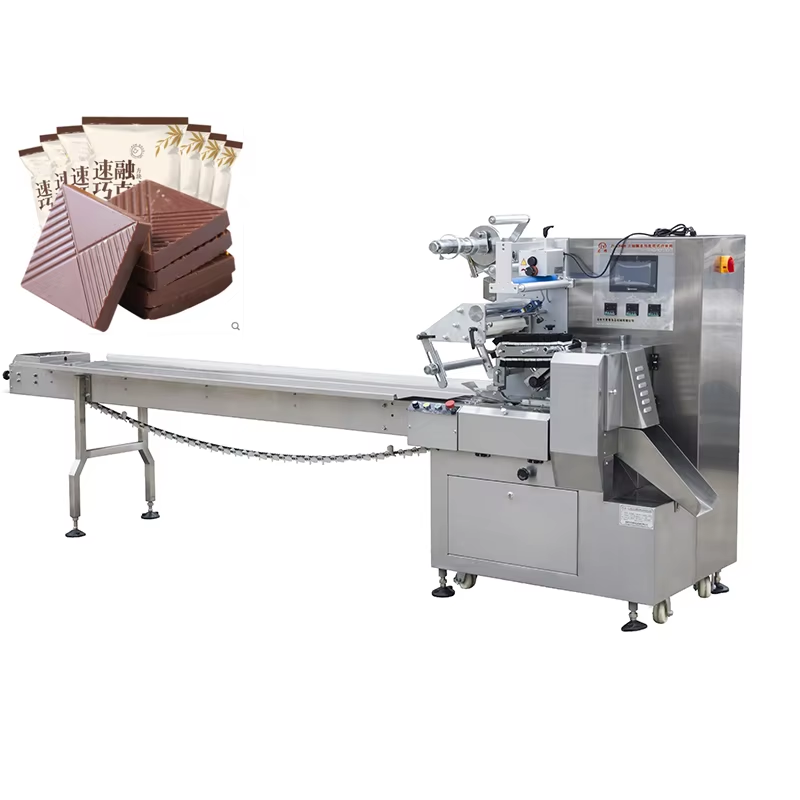
ROI Timeline: Achieving Payback in Under 14 Months Through Throughput Gains
Most chocolate producers achieve full ROI on automated packaging systems in under 14 months. This rapid payback is driven by two primary levers:
- Labor cost reduction, contributing 40–60% of total savings
- Throughput increases of 30–50%, enabled by continuous, error-resistant operation
For example, a mid-sized facility producing 20,000 chocolates daily realizes ~$18,000 in monthly wage savings while adding 6,000 units/day in output. When combined with reduced training needs, lower film consumption (8–12% less), and near-zero unplanned downtime—automated lines average 99% uptime—equipment investment is typically recovered within the first year.
Sustainability Impact: How Chocolate Packaging Machines Support ESG Goals
Chocolate packaging equipment is making big strides in improving ESG metrics through smarter resource management. The way these machines handle film has cut down on primary packaging materials by around 30% when compared to older methods or manual processes, which obviously means less plastic ending up in landfills. Many newer models come equipped with energy efficient servo motors and better thermal sealing technology that actually reduces their carbon footprint. Some factories using these systems have seen energy consumption drop between 15% to 20% per unit according to recent reports from manufacturing efficiency studies. What's more, built-in tracking features help companies stay compliant with ethical sourcing requirements while preventing unnecessary overproduction. Brands are finding it easier than ever to comply with increasingly strict environmental regulations thanks to reduced film waste and fewer packaging mistakes. Consumer demand is pushing this too - an industry poll last year showed that nearly seven out of ten chocolate manufacturers now see automated solutions as absolutely necessary if they want to reach those corporate sustainability goals.
Real-World Validation: Performance Benchmarks from Industry Deployments
Third-party validation confirms the operational and material efficiency gains delivered by modern chocolate packaging machines.
Swiss Manufacturer Case Study: 11% Film Savings + 99.3% Sealing Consistency
A small chocolate factory in Switzerland recently installed advanced flow wrapping machines on their main production line and tracked what happened for two whole years. By fine tuning how much film gets cut and adjusting the tension during wrapping, they managed to cut down on wasted packaging material. Film usage dropped by about 11%, which brought their material waste way below the usual 8% seen in the industry down to just 2%. Their thermal seals worked almost flawlessly too, hitting 99.3% consistency across nearly 18 million candy bars wrapped, which meant 76% less waste from having to fix bad seals. All told, this saved them around $420,000 every year in both materials and worker hours while also helping them reduce plastic use significantly toward their sustainability targets. What makes this interesting is that these machines only work so well when properly set up for each specific type of candy and production setup. Get those settings right, and the money starts rolling in pretty predictably.
FAQ
How do chocolate packaging machines reduce film usage?
Chocolate packaging machines reduce film usage through technologies such as laser-guided cutting systems, predictive material sensors, and closed-loop feedback mechanisms, which collectively help in adjusting the film in real time to minimize waste.
What are the labor savings achieved by using automated packaging machines?
By automating packaging tasks, factories can reduce labor roles by 60-75%, leading to significant cost savings in wages and reallocating staff to more valuable tasks.
What is the typical ROI timeline for chocolate packaging machines?
The typical return on investment (ROI) for these machines can be achieved within 14 months due to labor cost reductions and increased throughput.
How does this technology contribute to sustainability goals?
Automated chocolate packaging machines contribute to sustainability goals by significantly reducing film waste, energy consumption, and using energy-efficient servo motors, thereby supporting ESG metrics.
Table of Contents
- Precision Film Handling and Waste Reduction with Chocolate Packaging Machines
- Labor and Operational Cost Savings from Automated Chocolate Packaging Machines
- Sustainability Impact: How Chocolate Packaging Machines Support ESG Goals
- Real-World Validation: Performance Benchmarks from Industry Deployments
- FAQ