
 EN
EN
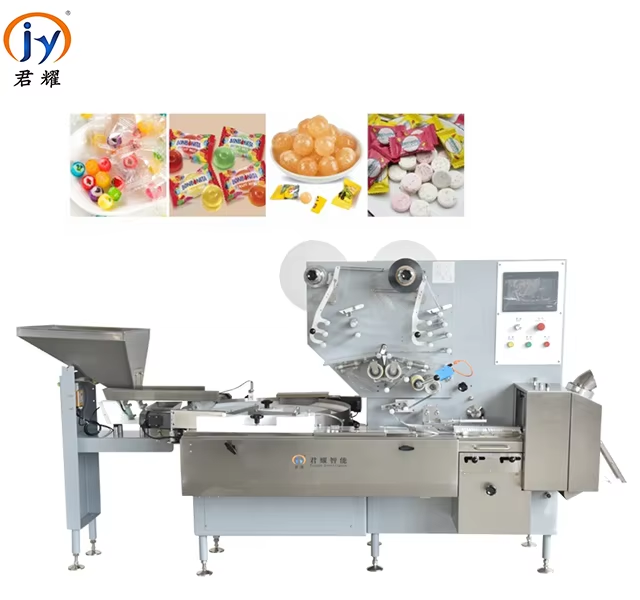
Modern biscuit manufacturing demands precision, speed, and consistency that manual packaging cannot deliver. A pillow packing machine has become indispensable for producers operating high-speed production lines. These machines wrap individual biscuits or multiple units in protective film, seal them instantly, and maintain output rates that align with contemporary industrial demands. Without this automation, production bottlenecks inevitably emerge, reducing throughput and increasing labor costs significantly.
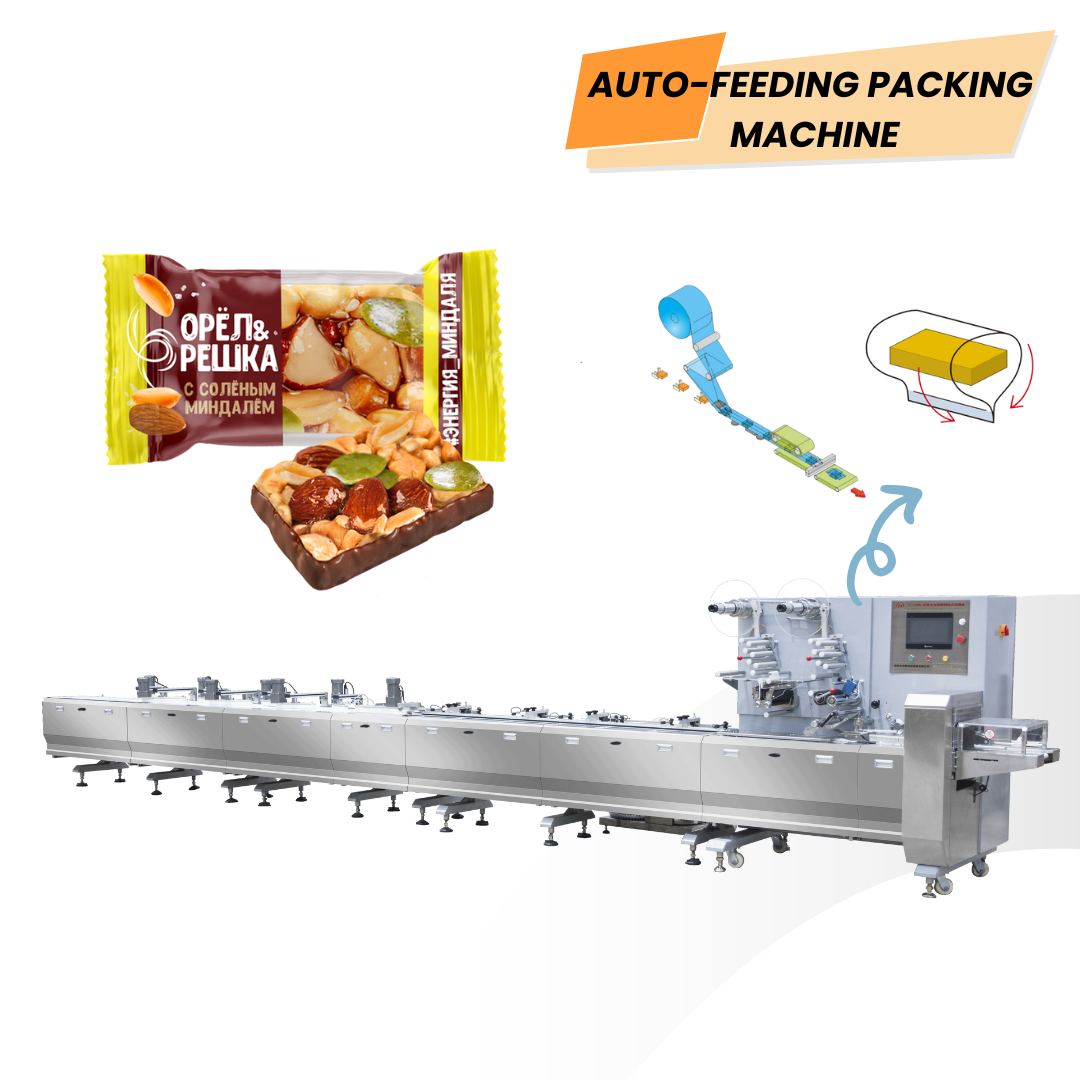
The biscuit industry faces constant pressure to increase production volumes while maintaining product freshness and shelf appeal. A pillow packing machine addresses this challenge by automating the entire wrapping and sealing process in a single integrated workflow. This technology transforms how biscuit manufacturers scale operations, reduce waste, and meet retail distribution requirements without expanding their workforce proportionally. Understanding why a pillow packing machine matters is essential for any facility seeking competitive advantage in today's market.
Production Efficiency and Output Acceleration
Matching Line Speed Requirements
High-speed biscuit production lines operate at rates measured in thousands of units per hour, creating a critical need for equally fast packaging solutions. A pillow packing machine synchronizes seamlessly with upstream production, eliminating delays and maintaining continuous flow. Manual packing or slower mechanical alternatives create chokepoints that force producers to reduce line speed, drastically cutting daily output. When a pillow packing machine operates at rated capacity, it processes biscuits without interruption, maintaining the rhythm of the entire production system and enabling manufacturers to meet demanding order volumes.
Reducing Labor Intensity and Operational Costs
Traditional biscuit packaging requires significant human labor, introducing variability in speed and consistency. A pillow packing machine eliminates most manual handling, requiring only setup and monitoring rather than repetitive wrapping work. This shift reduces staffing needs for packaging roles, reallocating personnel to higher-value activities like quality control or equipment maintenance. Facilities investing in a pillow packing machine typically see payback periods of 12 to 24 months through labor savings alone, with additional gains from waste reduction and improved throughput metrics.
Quality Control and Product Protection
Consistent Seal Integrity and Freshness Preservation
Biscuit freshness depends critically on rapid, airtight packaging that seals out moisture and oxygen. A pillow packing machine creates uniform seals on every package, preventing air leaks that accelerate staleness or moisture ingress. Mechanical consistency means each biscuit receives identical protection, eliminating variations caused by manual sealing techniques or operator fatigue. Temperature-controlled heat sealing ensures film bonds properly to the packaging material, creating reliable barriers that preserve product quality throughout the entire shelf life and distribution chain.
Minimizing Breakage and Physical Damage
Gentle handling within a pillow packing machine reduces crumbling and breakage compared to manual methods where excessive force or awkward positioning damages delicate products. The machine's film-wrapping motion cradles biscuits protectively while positioning them for sealing, preventing the compression injuries that occur during hand packing. Reduced damage rates directly improve sellable yield, meaning more units reach retail shelves in perfect condition. A pillow packing machine thus protects both product integrity and revenue by ensuring minimal waste occurs during the final production stage.
Scalability and Market Responsiveness
Adapting to Demand Fluctuations Without Costly Expansion
Consumer demand for biscuits fluctuates seasonally and by distribution channel, requiring packaging solutions that scale flexibly. A pillow packing machine increases available capacity without requiring facility expansion, additional building space, or significant new infrastructure investments. Operators can run additional shifts or extend operating hours using the same equipment footprint, accommodating demand spikes efficiently. This flexibility enables biscuit manufacturers to pursue new retail partnerships or enter seasonal markets without committing to permanent workforce increases that become burdensome during slower periods.
Supporting Product Variety and Custom Packaging Formats
Modern retailers demand diverse biscuit packaging formats ranging from individual wraps to multi-unit bundles with custom branding. A pillow packing machine adjusts parameters for different film widths, seal patterns, and product configurations, supporting rapid format changes without major retooling. Producers can introduce promotional packs, bulk options, or region-specific packaging using the same core equipment by changing consumables and adjusting machine settings. This adaptability empowers manufacturers to respond to market opportunities quickly while maintaining a single, well-optimized production asset rather than acquiring multiple specialized machines.
FAQ
What happens to biscuit quality if a pillow packing machine malfunctions unexpectedly?
A malfunctioning pillow packing machine halts the entire downstream packaging stage, forcing production line shutdown to prevent unpackaged product accumulation. Most facilities maintain emergency manual packing stations or reduce line speed to accommodate slower fallback packaging. Quality issues typically appear when a pillow packing machine seal temperature drifts, creating weak seals that compromise freshness rather than producing obviously defective packages. This is why preventive maintenance schedules and real-time machine monitoring systems are critical investments that protect both production continuity and product integrity over time.
Can a single pillow packing machine handle multiple biscuit product types simultaneously?
A pillow packing machine optimized for one biscuit size and shape requires parameter adjustments when switching to different products, including film tension, seal timing, and positioning guides. Quick-change modules available on modern pillow packing machine designs reduce changeover time to 15 to 30 minutes for similar product types. However, dramatically different sizes like cookies versus thin wafers typically require either dedicated machines or significant reconfiguration. Manufacturers with diverse product portfolios often deploy multiple pillow packing machine units, each optimized for a specific product category to maximize changeover efficiency and uptime.
How does automation with a pillow packing machine affect total packaging costs?
Initial capital investment in a pillow packing machine is substantial, typically ranging from modest five-figure to mid-six-figure expenses depending on speed and features. However, operating costs per unit decrease significantly compared to manual packing because labor requirements drop dramatically and materials waste declines through better seal consistency. A pillow packing machine enables higher throughput with stable staffing, reducing per-unit labor costs as production volume increases. Most manufacturers find that per-package cost savings and increased production capacity justify the investment within two to three years of operation, after which the machine generates substantial economic benefit.