
 EN
EN
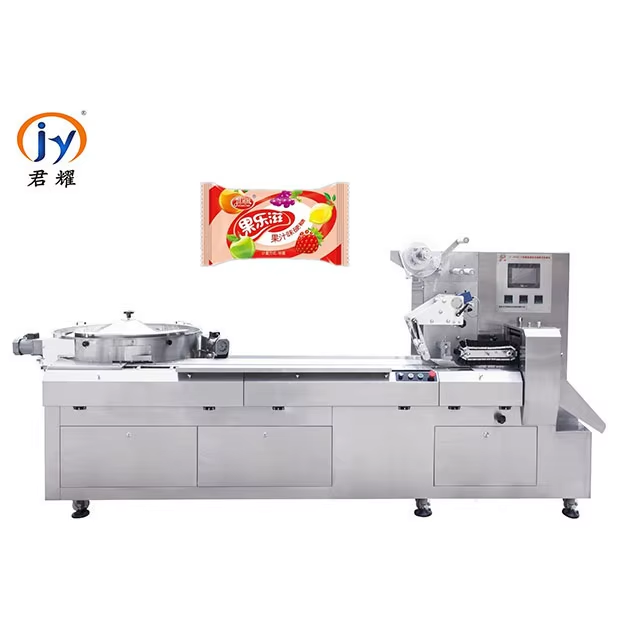
Smart Automation in Candy Packaging Machine Lines
Real-Time Monitoring and Predictive Maintenance via IIoT Integration
Candy packaging machines these days come equipped with IIoT sensors that keep track of things like vibrations, temperatures, and how much power they're using. The data collected from these sensors goes into special software that can predict when parts might fail, sometimes as far out as four weeks ahead. According to Packaging Digest from last year, this kind of early warning system has helped cut down unexpected shutdowns by around 45%. When problems pop up early, like when motors start showing signs of stress or seals begin wearing down, manufacturers can fix them before they cause major issues. This not only saves money but also means machines last longer overall. Most systems now have built-in screens where managers can see exactly what's happening with production speeds and material waste rates. These visuals help workers spot trends and tweak settings on the fly so operations stay running smoothly day after day.
AI-Driven Changeover Optimization for Faster, More Flexible Candy Packaging Machine Operation
AI has completely changed how we handle product changeovers in manufacturing. What used to take workers about half an hour doing all sorts of adjustments manually now happens automatically in just under two minutes thanks to smart systems. These machine learning algorithms look at past production data to figure out the best settings for things like tension control, how fast the film should move, and what temperature works best when sealing different types of candy products. Think gummy bears versus those hard sugar candies we all love but can't spell properly sometimes. The results? Less wasted material during these transitions – around 18% according to ProFood World's latest report – while still keeping up production speeds over 350 packages each minute. For companies trying to keep up with what consumers want today versus yesterday, this kind of flexibility makes a huge difference without compromising on quality or regularity of output.
High-Speed, Low-Waste Candy Packaging Machine Systems
tna robag® Auto-Splice Technology: 350 bpm Throughput with <0.5% Film Waste
The TNA Robag® Auto-Splice system lets production keep running smoothly when switching between film rolls, handling up to around 350 bags every minute without having to stop the line for material changes. What makes it stand out is how precisely it cuts and seals the edges of the film together without any trimming needed, which keeps waste down to just about half a percent. That's way better than what most folks in the industry are used to seeing. The system maintains consistent tension throughout, so packages stay intact even when dealing with all sorts of different candy shapes and sizes. Plus there are built-in sensors that spot potential jam issues before they become real problems on the production floor. Operators find the interface pretty straightforward too, which means companies can integrate this technology into their current candy packaging lines much faster. This translates to higher output rates, less wasted material money going down the drain, and ultimately a smaller carbon footprint for manufacturers.
Performance Benchmark: Auto-Splice vs. Manual Splicing Across Global Candy Production Sites
Looking at operations around the world, it's pretty clear that auto-splice tech gives manufacturers a huge edge compared to old school manual methods. Setup times drop about 85 percent, alignment issues basically disappear, and machines run better overall with around 30% improvement in OEE metrics at candy factories. When it comes to material waste, auto-splicers only throw away about half a percent of materials while manual processes waste between 5 and 8%. That adds up to roughly 12 tons of saved film each year on a single production line. Another big plus? Workers don't have to mess around with moving parts during splices anymore, which cuts down accident risks significantly. No wonder most new high volume candy packaging systems come with auto-splice as standard equipment these days.
Precision Form-Fill-Seal Innovations for Diverse Confectionery Products
Vision-Guided HFFS for Irregular Candies: Consistent Dosing and Seal Integrity
The new generation of vision guided HFFS systems has solved those old problems we've had with packaging all sorts of weird shaped candies like gummy bears and those fancy molded chocolates. These machines can actually see where each piece is positioned as it goes through the process in real time. The dosing system keeps changing on its own to hit around 1% accuracy in weight for each pouch, so there's not too much extra product going into each package but still getting consistent portions which matters a lot when selling premium products. At the same time, these systems check the seals really fast, looking at them every few hundredths of a second for tiny issues like wrinkles, dirt spots or anything out of alignment that might let air in later. Packages that don't look right get thrown away before they even get sealed, keeping leaks below half a tenth of a percent. When compared with older equipment, this technology completely removes the need for people to inspect everything manually and boosts production speed by about 40%. Plus, because the machines figure out exactly how big each pouch needs to be, companies save roughly 18% on materials wasted during production.
Sustainable Smart Packaging Enabled by Modern Candy Packaging Machines
NFC/QR Traceability Integration Supporting FSMA 204 Compliance
The latest candy packaging systems now come with built-in NFC chips and QR codes right on the wrappers themselves, creating complete digital tracking throughout the supply chain. These features actually meet important standards set out in FSMA 204 regulations, letting companies track products as they move from ingredients all the way to store shelves. When there's a problem with contamination, these scannable codes hold information like batch numbers, expiration dates, plus details about where the facility got certified. Manufacturers can find and separate bad batches super fast. Some food safety experts say this kind of system cuts down on recall expenses by around 70 percent according to their research last year. On the consumer side, people just need to scan with their phones to check if the product is genuine and see where the ingredients came from. This gives shoppers peace of mind knowing exactly what they're buying, which builds stronger relationships between brands and customers over time.
Mono-Material Pouches and Resealable Designs Engineered for Recyclability
The latest candy packaging machines are processing mono-material polyethylene pouches that hit around 98% recyclability rates when compared to older multi-layer designs. These machines use precision heat sealing to incorporate resealable zippers made from identical materials, which helps prevent different materials from mixing together during recycling processes. Studies show that this approach reduces packaging waste by about half and cuts down on carbon emissions by roughly 40% compared to traditional wrappers according to research published by the Sustainable Packaging Coalition in 2023. Designed specifically for thin gauge films under 30 microns thick, this technology still manages to keep those important protective qualities intact so products stay fresh longer. Plus it fits right into the circular economy principles promoted by the Ellen MacArthur Foundation, making it a smart choice for companies looking at sustainability from all angles.
FAQ Section
What is the role of IIoT sensors in candy packaging machines?
IIoT sensors track various parameters such as vibrations, temperatures, and power usage. This data helps in predicting machine part failures, allowing for preemptive maintenance which reduces unexpected shutdowns.
How does AI improve candy packaging machine operations?
AI optimizes product changeovers by automating settings based on past production data, significantly reducing changeover time and material waste.
What is the advantage of using auto-splice technology?
Auto-splice technology reduces setup times, minimizes material waste, and enhances overall machine efficiency compared to manual splicing methods.
Why is vision-guided HFFS technology beneficial?
Vision-guided HFFS technology allows for precise dosing and consistent seal integrity even with irregularly shaped candies, reducing waste and increasing production speed.
How do modern packaging machines support sustainability?
They utilize recyclable mono-material pouches and include traceability features like NFC/QR codes, aiding in compliance with FSMA 204 regulations and supporting a circular economy.