
 EN
EN
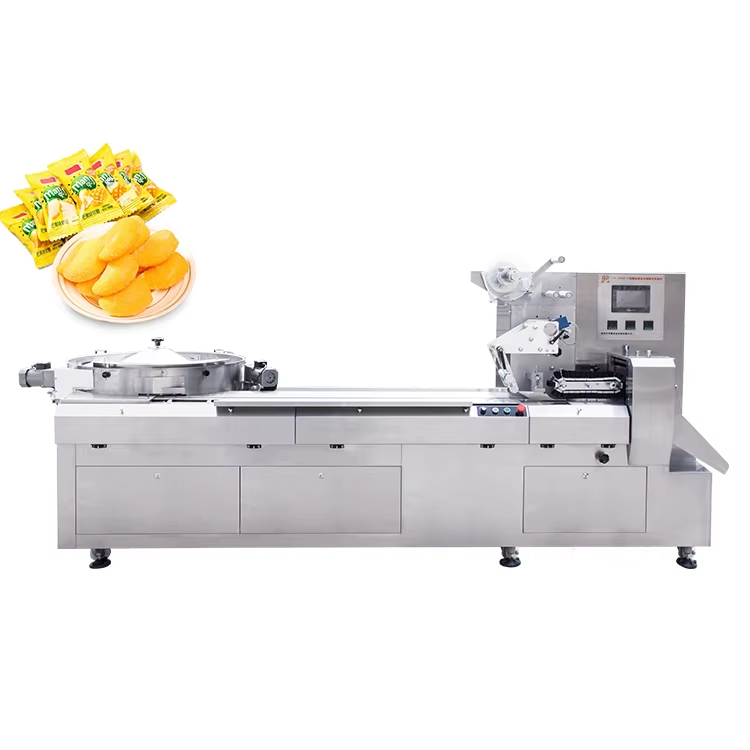
Moisture and Oxygen Barrier Control via Advanced Candy Packaging Machines
Preventing Sugar Bloom and Texture Degradation with Precision Barrier Films
High quality candy packaging equipment relies on special multi layer films like BOPP and aluminum laminates to stop moisture from getting inside packages where it causes sugar bloom. Sugar bloom creates those annoying crystal formations on candy surfaces that make products look less appealing to customers. These advanced films keep the inside humidity at around 8% or lower, which stops moisture from moving through the packaging and ruining the texture of soft candies such as caramels, marshmallows, and gummy bears. The moisture barrier properties are really impressive too. Standard packaging might let through over 1 gram per square meter per day, but these premium films restrict moisture transfer to less than 1g/m²/day. This means candy stays fresh for about 40% longer than with regular packaging. Gummies stay chewy instead of going stale, and chocolate bars don't develop that greasy film called fat bloom during shipping and storage.
Optimizing Oxygen Transmission Rates to Preserve Flavor and Acidity Balance
When fruits are exposed to oxygen, they start to oxidize faster, which makes those bright citrus flavors fade away in fruit chews. Nuts included in these products can also become rancid much quicker under similar conditions. Modern packaging equipment now comes with special gas flushing features that keep oxygen levels really low, typically under 5 cc per square meter per day. This creates an environment where delicate flavors stay intact longer, protecting things like gelatin that are sensitive to changes in pH. According to recent studies published in Food Chemistry last year, this method actually cuts down on flavor loss by about one third after just half a year. Plus it stops different aromas from mixing together when multiple flavors share the same production line.
Hermetic Sealing Performance of Modern Candy Packaging Machines
Getting good hermetic seals right is really important for how well modern candy packaging machines work. These seals stop oxygen from getting in and prevent moisture from moving around inside the package, which are basically the main reasons why soft candies lose their flavor and get all soggy or dry out over time. Today's packaging setups often combine several layers of barrier film materials. The best ones have water vapor transmission rates below 0.05 grams per square meter per day. That might not sound like much, but it makes a huge difference in keeping candies fresh for much longer than what was possible with older packaging methods.
Heat-Seal Consistency, Leak Detection Standards, and Real-Time Monitoring
The automated thermal control system keeps those seal jaws right around 1 degree Celsius, which helps create consistent bonds along the wrapper seams. When it comes to finding tiny leaks, pressure decay tests are run inline according to ASTM F2095 guidelines. The better quality systems can actually catch problems so well that they reject less than one out of every thousand packages. Vision inspection works hand in hand with pressure sensors to spot bad seals as soon as they happen, cutting down on wasted packaging materials. Some recent studies from the confectionery industry in 2024 showed these improvements reduced waste by nearly 20 percent overall.
VFFS vs. Horizontal Flow-Wrap: Airtightness, Throughput, and Soft Candy Compatibility
When it comes to packaging candy, vertical form fill seal machines are great for keeping powdery stuff or oddly shaped sweets really sealed tight thanks to those four sealing edges around them. On the other hand, horizontal flow wrap systems can crank out way more packages per minute, sometimes over 120 of them, which works well for things like regular shaped caramels that don't need such tight wrapping. What kind of candy we're talking about matters too. For example, when dealing with airy chocolate bars that might get smashed up, VFFS machines handle them better without breaking their delicate structure. Sticky gel candies benefit from flow wrappers since these machines reduce the friction against the candy surfaces as they move through the process.
| Performance Metric | VFFS Machines | Horizontal Flow-Wrap |
|---|---|---|
| Oâ Barrier Efficacy | 0.005 cc/m²/day | 0.008 cc/m²/day |
| Max Throughput | 80 bags/minute | 120+ pouches/minute |
| Ideal Candy Type | Powdery/irregular shapes | Uniform bars/squares |
Visual Appeal and Brand Differentiation Through Automated Wrapping
High-Gloss Film Integration and Print Registration Accuracy for Shelf Impact
Today's candy packaging equipment combines special barrier films with shiny laminates that really make the packages stand out on store shelves by reflecting light better. The print registration systems are pretty amazing too, keeping everything aligned within about 0.3mm on those colorful wrappers so logos and colors look sharp and professional. These machines also have built-in optical inspection that catches misalignments even when running through hundreds of wrappers per minute. Retailers know something about this stuff because studies show around three quarters of people actually decide to buy based just on how the package looks. That's why companies investing in these glossy finishes typically see their products sell about 19 percent faster than similar items with plain matte packaging sitting next to them.
Custom Wrapper Design Capabilities: Embossing, Foil Accents, and QR-Enabled Packaging
Digital printing modules paired with embossing stations make it possible to customize products at reasonable costs. Think about those subtle micro textures and fancy foil stamped details that somehow just look better than plain old packaging. These touches boost how customers perceive quality without holding up the production line much. Then there are those batch specific QR codes that connect straight to where ingredients come from, what sustainability promises were made, or even how to properly recycle the packaging material. When dealing with soft candy products though, manufacturers need precise tension controls so embossing dies don't crush things. The sweet spot seems to be around 0.8 to 1.2 Newtons per square millimeter pressure applied during this process. That keeps the candy structure intact while still allowing for those nice branded impressions on the wrapper.
Gentle Handling and Structural Protection for Delicate Soft Candies
When it comes to marshmallows, those creamy filled chocolates, and all sorts of airy treats, they really need special care so they don't fall apart while being packed. Candy packaging lines nowadays have come a long way with features like conveyors that absorb vibrations, speed controls that can be tweaked as needed, and gentle grippers that handle delicate items without crushing them. Most facilities run their packaging areas at around 12 to 15 degrees Celsius or about 54 to 59 Fahrenheit, which keeps things from getting too warm and sticking to the machines. These setups work wonders for maintaining those precious air bubbles in meringues and the distinct layers in truffles. Manufacturers report seeing roughly 20 something percent less waste compared to older style equipment, though exact numbers vary depending on what exactly is being packaged.
FAQ
What is sugar bloom?
Sugar bloom refers to the white, crystal-like formations that can appear on the surface of candies, often caused by moisture entering the packaging.
Why is controlling oxygen important in candy packaging?
Oxygen can cause fruits used in candies to oxidize, leading to flavor loss, and can make nuts rancid. Controlling oxygen levels helps maintain flavor integrity.
What are VFFS machines best suited for?
Vertical Form Fill Seal (VFFS) machines are ideal for packaging powdery or irregularly shaped candies, providing a tight seal.
How does automated wrapping improve brand differentiation?
Automated wrapping with high-gloss films and precise print registration enhances visual appeal, impacting consumer purchasing decisions positively.