
 EN
EN
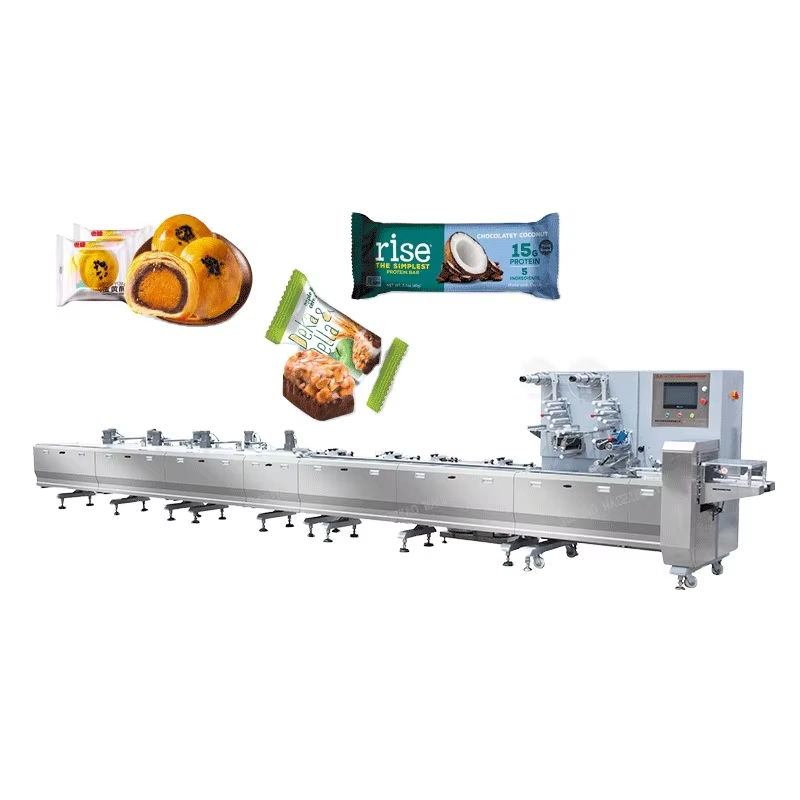
The modern food and confectionery industry faces constant pressure to increase production speeds, maintain consistent packaging quality, and reduce operational costs. A flow packing machine represents one of the most effective solutions to these challenges, delivering multiple advantages that directly impact your bottom line and competitive position. Understanding these advantages helps manufacturers make informed decisions about equipment investments and production optimization strategies.
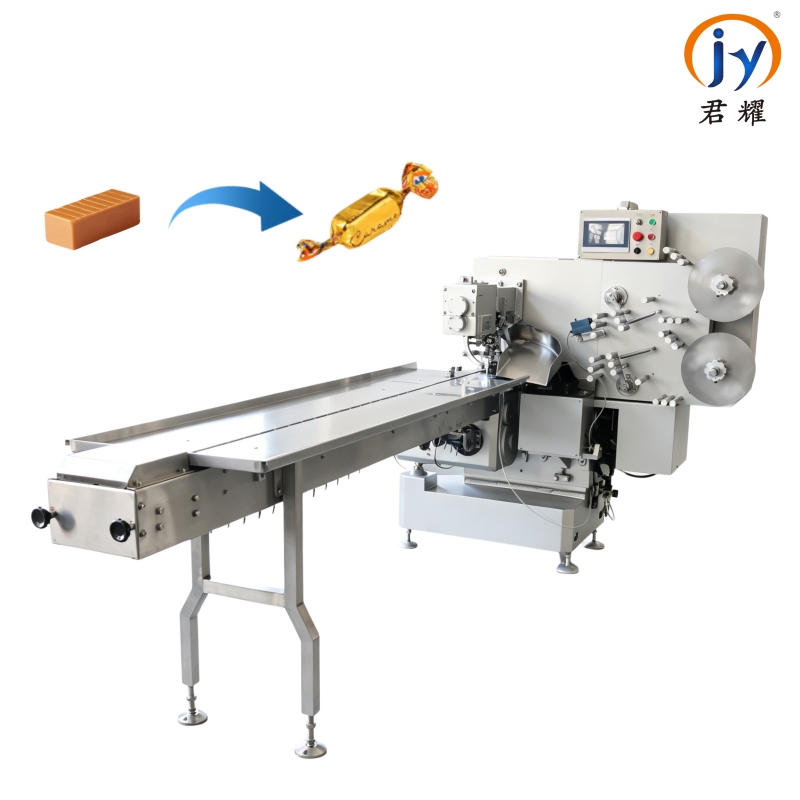
A flow packing machine is designed to wrap products in film material in a continuous, high-speed operation, creating sealed packages at rates far exceeding manual or basic mechanical methods. This technology has become essential across candy manufacturing, bakery production, chocolate wrapping, and pharmaceutical packaging. The key advantages extend beyond simple speed increases, encompassing reliability, material efficiency, and operational flexibility that transform production workflows.
Enhanced Production Speed and Output Capacity
Accelerated Packaging Throughput
The primary advantage of a flow packing machine lies in its exceptional speed capability. Modern flow packing machines process hundreds of items per minute, dramatically exceeding manual packaging rates. A flow packing machine can wrap candies, bread, chocolate bars, or other products at speeds reaching 200 to 500 packages per minute, depending on product dimensions and complexity. This speed directly translates to higher daily output without requiring proportional increases in workforce. Facilities that upgrade to a flow packing machine typically see production capacity increases of 300 to 500 percent, allowing manufacturers to meet growing demand and expand market reach without building additional production infrastructure.
Consistent Pace and Minimal Downtime
Beyond raw speed, a flow packing machine delivers predictable, repeatable performance throughout extended production runs. Unlike manual processes prone to fatigue-related slowdowns, a flow packing machine maintains consistent packaging rates hour after hour. Modern systems incorporate automated fault detection and self-correction features that minimize unplanned stoppages. When maintenance is required, quick-change components enable rapid adjustments without lengthy production interruptions. This reliability means your facility can plan production schedules with confidence, knowing that a flow packing machine will deliver expected output volumes reliably.
Superior Packaging Quality and Brand Protection
Precision Sealing and Appearance
A flow packing machine creates professional, uniform packages that enhance shelf appeal and consumer perception. Each package produced by a flow packing machine features consistent seal strength, precise film overlap, and symmetrical package geometry. This uniformity is virtually impossible to achieve through manual wrapping, where human variation inevitably creates cosmetic inconsistencies. Retailers and consumers notice quality differences immediately; a flow packing machine helps your products stand out on shelves through pristine, professional packaging presentation. The precision of a flow packing machine also reduces seal failures that compromise product integrity, protecting shelf life and preventing returns due to packaging defects.
Product Protection and Hygiene Standards
A flow packing machine incorporates integrated controls ensuring proper film tension, optimal sealing temperature, and complete product enclosure. These features protect packaged items from contamination, moisture, and air exposure during storage and transport. For food products especially, the sealed environment created by a flow packing machine extends shelf life and maintains product freshness significantly longer than loosely wrapped alternatives. The consistent seal integrity provided by a flow packing machine reduces spoilage-related waste and product liability risks. Additionally, the automated, contact-minimal nature of a flow packing machine operation supports food safety compliance and meets stringent hygiene requirements demanded by retail partners and regulatory agencies.
Cost Reduction and Resource Efficiency
Labor Cost Optimization
Operating a flow packing machine requires fewer personnel than equivalent manual packaging operations. A single operator can monitor multiple flow packing machines performing tasks that would otherwise require five to ten manual workers. This dramatic labor efficiency reduction directly decreases per-unit packaging costs and improves overall production economics. Companies implementing a flow packing machine experience labor cost reductions of 40 to 60 percent for packaging operations. Beyond direct wage savings, reduced staffing needs eliminate associated overhead such as training costs, benefits administration, and workplace supervision complexity. The financial advantage compounds over time as a flow packing machine continues delivering these benefits across thousands of production cycles.
Material Efficiency and Waste Reduction
A flow packing machine optimizes film material usage through precise cutting and wrapping mechanisms that minimize waste. The automated control systems of a flow packing machine adjust film consumption based on product dimensions, preventing excessive material usage. Less film waste directly reduces material costs and environmental impact simultaneously. Advanced flow packing machine models feature intelligence that detects defective packages and diverts them before they consume additional materials or compromise batches. The cumulative effect of these efficiencies means that a flow packing machine typically pays for itself within 18 to 36 months through material and labor savings alone, creating ongoing profitability improvement.
Operational Flexibility and Adaptability
Multi-Product Capability and Quick Changeovers
A modern flow packing machine accommodates diverse product types, dimensions, and packaging formats with minimal reconfiguration. Manufacturers can transition between candy wrapping, chocolate bars, bread packaging, and other items using the same flow packing machine by adjusting straightforward parameters. This flexibility enables facilities to respond rapidly to market demand shifts, seasonal product variations, and custom packaging requests without investing in dedicated equipment for each product line. A flow packing machine with quick-change tooling and digital format memory can switch production configurations in minutes rather than hours, maximizing uptime and reducing transition losses. This adaptability proves especially valuable for contract manufacturers and facilities producing diverse product portfolios.
Integration with Existing Production Systems
A flow packing machine seamlessly integrates with upstream and downstream production equipment, creating cohesive automated workflows. Connection points with product feeds, quality inspection systems, and packaging material supplies allow a flow packing machine to function as a central hub within broader production architectures. This integration capability enables manufacturers to build scalable systems starting with a flow packing machine foundation and expanding as production volumes increase. Modern flow packing machine units offer programmable logic controller connectivity, sensor integration, and data communication features that support Industry 4.0 initiatives and enable predictive maintenance planning based on real-time equipment performance monitoring.
FAQ
What types of products can a flow packing machine wrap?
A flow packing machine efficiently packages candies, chocolates, bread, baked goods, pharmaceutical tablets, hardware items, and numerous other products suited to film wrapping. The versatility of a flow packing machine makes it valuable across food, confectionery, healthcare, and industrial sectors. Most flow packing machine models accommodate products ranging from small candies to larger items like bread loaves through adjustable settings and tooling changes.
How much space does a flow packing machine require?
A typical flow packing machine occupies a footprint of 2 to 4 square meters depending on model specifications and optional equipment configurations. The relatively compact footprint of a flow packing machine makes it suitable for existing production facilities without requiring extensive facility modifications or expansions. Manufacturers should verify space availability and utility connections before purchasing a flow packing machine to ensure seamless installation.
What maintenance does a flow packing machine need?
A flow packing machine requires routine maintenance including film supply replenishment, seal mechanism cleaning, and periodic sensor calibration. Regular maintenance keeps a flow packing machine operating at peak efficiency and extends equipment lifespan significantly. Most manufacturers provide detailed maintenance protocols with their flow packing machine models, and professional service support is typically available for complex repairs or upgrades.