
 EN
EN
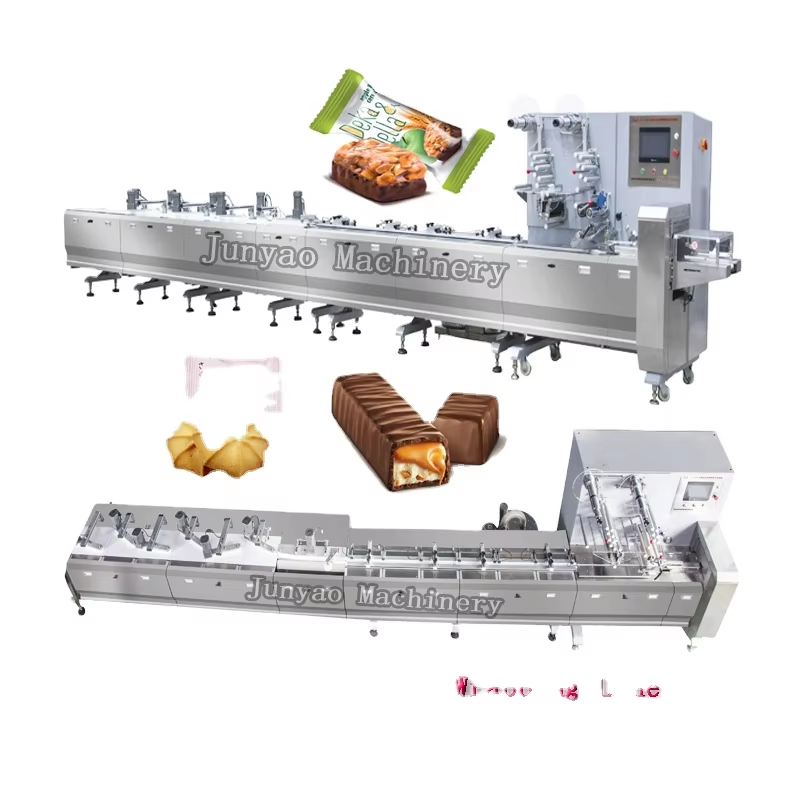
Modern manufacturing demands flexibility, speed, and precision in packaging operations. A flow packing machine has become the backbone of industries seeking to deliver customizable packaging solutions without compromising efficiency or quality. These machines represent a fundamental shift in how manufacturers approach product packaging, enabling businesses to adapt quickly to market demands while maintaining consistent output. The ability to customize packaging on demand transforms manufacturing workflows, reduces inventory complexity, and opens new market opportunities.
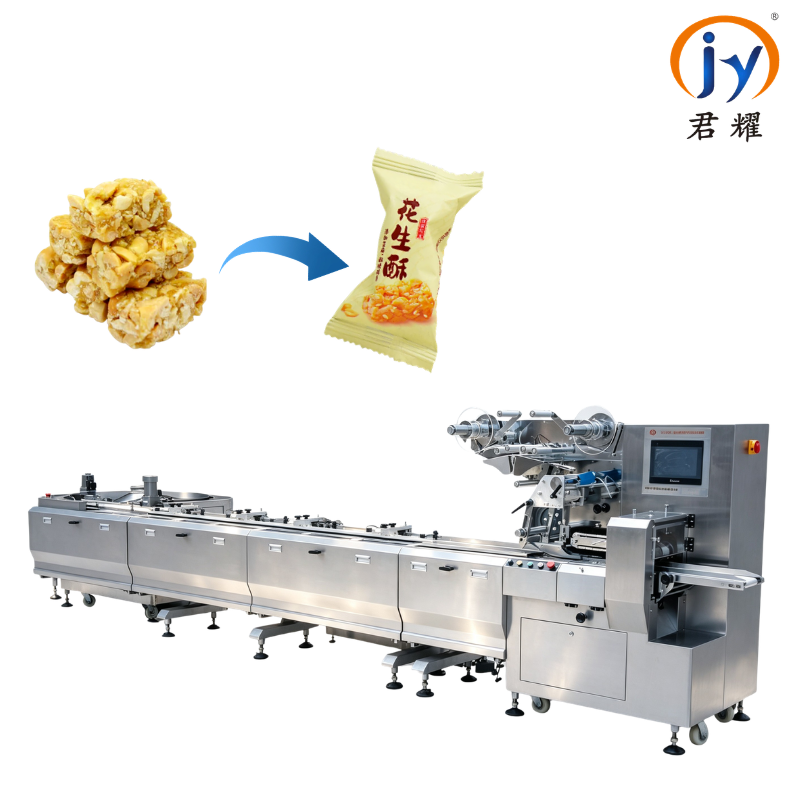
Understanding how a flow packing machine delivers customizable packaging options requires examining the technology itself, its operational flexibility, and its practical application across diverse industries. Whether you produce confectionery, pharmaceuticals, baked goods, or other products requiring rapid packaging adjustments, a flow packing machine provides the adaptability that modern supply chains demand. This guide explores how these machines enable customization, what specific advantages they offer, and why they have become essential for competitive manufacturers.
Understanding Flow Packing Machine Capabilities
Core Functionality of Flow Packing Machines
A flow packing machine operates through a continuous motion process where product moves through the machine's pathway while film simultaneously wraps around it. Unlike intermittent machines that cycle through stop-and-go motions, a flow packing machine maintains consistent speed, which directly enables rapid customization. The film pathway, sealing mechanisms, and product feed systems can be adjusted to accommodate different product sizes, shapes, and packaging film specifications without requiring extensive machine reconfiguration. This inherent flexibility makes a flow packing machine ideal for manufacturers managing multiple product lines or seasonal variations in packaging demands.
The mechanical design of a flow packing machine incorporates quick-change components that allow operators to switch between different packaging formats in minimal time. Specifications such as film width, sealing temperature, and product advancement speed can be programmed and adjusted through digital controls. This technological foundation means that a flow packing machine can transition from standard rectangular packaging to specialty formats, different seal patterns, and varied package dimensions with simple parameter changes rather than complete machine replacement.
Customization Parameters Enabled by Flow Packing Machines
A flow packing machine enables customization across multiple dimensions simultaneously. Package dimensions represent the most obvious parameter—a flow packing machine can accommodate variations in length, width, and depth by adjusting film feed rates and cut positions. Material composition offers another customization avenue; a flow packing machine can work with different film types, including standard polyethylene, metallized films, biodegradable materials, and specialty coatings. Seal patterns and closure styles can be modified to create pillow packs, gusseted bags, or enhanced seal designs depending on product requirements and market positioning.
Beyond physical dimensions, a flow packing machine enables customization of product quantity per package. Manufacturers can package single units, multi-packs, or bulk quantities by adjusting the product advance mechanism. Labeling integration capabilities expand customization possibilities further; a flow packing machine equipped with printing modules allows dynamic brand messaging, batch coding, or region-specific information to be applied during the packaging process. This integrated approach eliminates secondary labeling operations and enables true just-in-time customization.
Operational Advantages for Customizable Packaging
Speed and Efficiency in Format Changes
One of the most significant advantages of a flow packing machine lies in its speed during format transitions. Traditional packaging equipment often requires extended downtime when switching between different package specifications. A flow packing machine, by contrast, can be reconfigured in minutes rather than hours. Operators input new parameters through the control interface, perform simple mechanical adjustments to film guides and cut positions, and resume production. This rapid transition capability means a flow packing machine enables manufacturers to respond to market demands almost immediately.
The efficiency gains from a flow packing machine extend beyond format change speed. Continuous motion operation means higher throughput compared to intermittent machines—a flow packing machine can process 60 to 300 packages per minute depending on specifications and product type. This throughput efficiency, combined with customization flexibility, allows manufacturers to maintain competitive output volumes while serving multiple customer segments with different packaging preferences. The economic benefit is substantial: a flow packing machine reduces capital expenditure by consolidating what previously required multiple specialized machines.
Quality Consistency Across Custom Packages
Customization without compromising quality is a central promise of modern flow packing machine technology. Precision servo motors and programmable logic controllers ensure that every customized package meets identical quality standards. A flow packing machine maintains consistent seal integrity, cut accuracy, and product positioning regardless of the specific format being produced. This consistency is critical for industries where packaging quality directly impacts product safety, shelf life, and customer satisfaction.
A flow packing machine equipped with vision systems and quality control sensors provides real-time monitoring of each package produced. These integrated systems detect seal failures, misaligned products, or dimension variations immediately, triggering alerts before defective packages enter inventory. For manufacturers producing customized packages, this automated quality assurance prevents costly recalls and maintains brand reputation across diverse packaging formats. The result is that customization delivered by a flow packing machine comes with enterprise-grade quality assurance rather than increased defect risk.
Industry Applications and Customization Scenarios
Food and Confectionery Packaging Flexibility
The food industry particularly benefits from the customization capabilities of a flow packing machine. Chocolate manufacturers can package individual bars, assorted collections, or promotional bundles using the same equipment. A flow packing machine allows adjustment of package sizes to match seasonal products—smaller Valentine's packaging in spring, larger family packs for holidays, and standard retail sizes year-round. The flexibility of a flow packing machine enables manufacturers to test new product formats without capital equipment investment, reducing the risk of format innovation.
Bakery products present unique packaging challenges due to size variation and fragility. A flow packing machine accommodates this variability through adjustable product centering and gentle handling pathways. Bread, pastries, or baked goods of different dimensions can be packaged in formats optimized for their specific products. A flow packing machine can also integrate atmosphere modification systems, allowing nitrogen flushing or modified atmosphere packaging to be applied across different product types within a single production environment.
Pharmaceutical and Personal Care Applications
Pharmaceutical manufacturers rely on a flow packing machine to meet regulatory requirements while maintaining customization flexibility. Unit dose packaging, blister pack integration, and multi-product assortments can all be executed by a flow packing machine without equipment replacement. Regulatory compliance across different regions often demands localized packaging specifications; a flow packing machine enables rapid production of region-specific formats without maintaining separate packaging lines. This capability significantly reduces operational complexity for global pharmaceutical companies.
Personal care products spanning different brands, formulations, or target markets can be packaged efficiently using a single flow packing machine. Customization extends to package size optimization for different distribution channels—smaller formats for travel retail, standard sizes for supermarkets, and bulk packaging for institutional buyers. A flow packing machine processes these different formats sequentially or in batches with minimal changeover time, providing the operational flexibility that modern consumer goods companies require.
FAQ
What specific package formats can a flow packing machine produce?
A flow packing machine can produce pillow packs, gusseted bags, flat bottom bags, and specialty closure formats. The machine accommodates different film widths, seal patterns, and cut styles through programmable settings. Custom formats requiring unique seal configurations or integrated features like hanging holes or ziplock closures can be achieved by adjusting the flow packing machine's mechanical components and control parameters. The flexibility of a flow packing machine extends to both film type and package structure.
How quickly can format changes be completed on a flow packing machine?
Format changes on a flow packing machine typically require 15 to 45 minutes depending on the extent of customization. Simple adjustments like package length or width changes involve parameter updates through the control interface. More comprehensive changes such as film type substitution or seal pattern modification may require physical component adjustments. A flow packing machine's quick-change design minimizes this transition time compared to traditional equipment, enabling manufacturers to respond to market demands with minimal production interruption.
Can a flow packing machine integrate with existing production systems?
Yes, a flow packing machine integrates seamlessly with existing production infrastructure through standardized interfaces and flexible feed system designs. A flow packing machine can accept product from conveyor systems, automatic dispensers, or manual feed mechanisms depending on production requirements. Integration with labeling systems, printing modules, and downstream handling equipment is possible through coordinated control systems. Modern flow packing machine designs prioritize compatibility with Industry 4.0 standards, enabling data collection and remote monitoring capabilities that connect to enterprise production management systems.