
 EN
EN
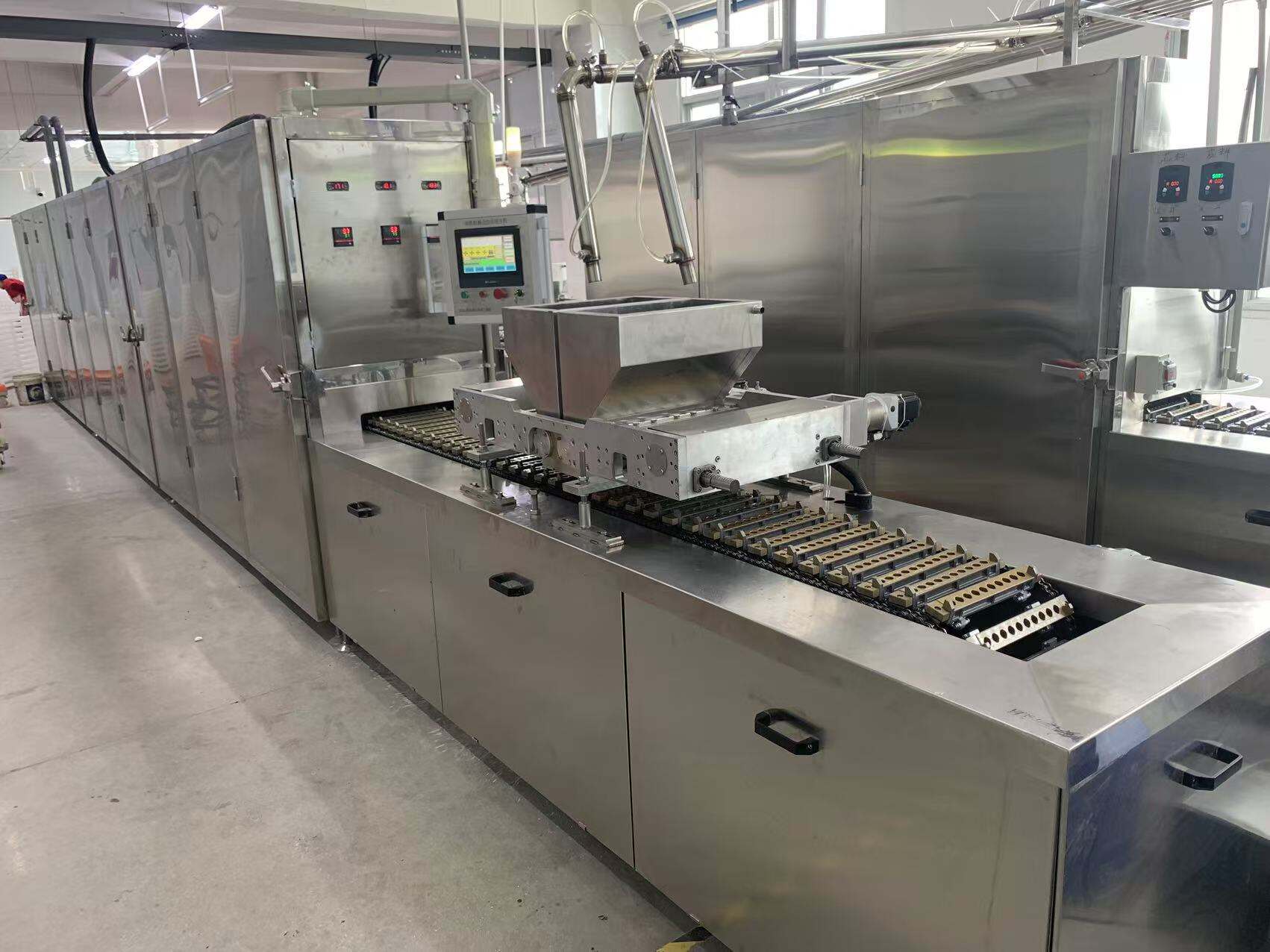
Precision Film Handling: Eliminating Overwrap and Slack in Candy Packaging Machines
Dynamic Tension Control Prevents Film Stretch and Tears
The latest candy packaging equipment relies on something called dynamic tension control to cut down on wasted materials. These machines have load sensitive rollers that keep checking the film tension all the time, making adjustments to the torque as needed so the film doesn't stretch when running at top speeds. Getting the tension right usually means keeping it between about half a newton per square millimeter and two and a half newtons. This approach cuts film tearing incidents by around two thirds compared to older mechanical systems. The result? Fewer production line stoppages and jamming problems. Plus, these machines handle tricky humidity sensitive films like polypropylene much better. They work well for all sorts of candies too, whether dealing with gooey caramels that stick together or fragile chocolate truffles that need gentle handling throughout the packaging process.
Servo-Driven Feed Ensures Exact Cut-and-Seal Lengths for Every Soft Candy Unit
The servo motors work together to move the film along with where products are placed, getting pretty close to 0.3 mm accuracy in length measurements. There are optical sensors that check out each candy's shape, which matters a lot for weird forms like gummy bears. These sensors let the machine adjust cutting points on the fly. What happens next? Less wasted wrapping material because the system calculates exactly how much film each item needs. This approach cuts down on annual film usage by around 18%, all while keeping those tight seals needed for 120 packs every minute. With this setup, there's much better control over tension throughout the process. No more slack or bunching issues, and companies save money too since they avoid the roughly 7% waste rate that comes with older manual or fixed feed systems.
Real-Time Quality Assurance: Automated Rejection to Prevent Downstream Waste
Vision-Guided Inspection Rejects Miswrapped Units Before Sealing
Integrated vision sensors scan soft candies before sealing, detecting misaligned wrappers, gaps, or tears in real time. Upon identifying flaws, air-jet rejectors instantly divert defective unitsâpreventing wasted film from incomplete seals. Operators report 63% fewer film discards versus manual inspection, confirming the systemâs impact on upstream material efficiency.
Case Evidence: 79% Reduction in Scrap Rate at a Leading Confectionery Manufacturer
One big food packaging company started implementing adaptive rejection systems on their chocolate wrapper lines, installing sensors that spot miswrapped products right before they hit the shrink tunnels. After running this system through 14 production cycles, annual scrap rates dropped by almost 80%, which translated into around $220k saved on wrapping film each year. What's interesting is that all this happened while keeping the production line moving at its usual pace of 450 units per minute. The automated system took over what used to be tedious manual checks, so workers weren't constantly scanning for defects anymore. This shows just how effective precise control can be when it comes to cutting down waste over time without slowing things down.
Intelligent Material Adaptation: Optimizing Film Use Across Candy Sizes and Types
Smart Parameter Presets Auto-Adjust for Shape, Size, and Stickiness Variability
Smart preset systems take away the need for constant manual adjustments since they set up film tension, sealing pressure, and dwell time automatically according to what the machine sees in real time about each piece of candy. When moving from making gummy bears to chewy caramels or those tricky sticky nougats, these pre-programmed settings help avoid problems like torn packaging on oddly shaped items and failed seals when dealing with moist candies that tend to stick together. Keeping these settings stored cuts down on setup time somewhere around 40%, which makes a big difference when running multiple product lines. The wraps stay intact throughout different production runs too, even when formulas change seasonally like when manufacturers switch to special summer chocolate coatings that get soft in warm temperatures.
Adaptive Film Path Geometry Minimizes Slippage and Misfeeds with Diverse Wrapping Films
Film transport systems built with precision engineering come equipped with adjustable roller setups and multiple zones for controlling tension. They work just fine on all sorts of materials, from shiny BOPP films right down to rough waxed papers. When running these machines, operators find that they keep things aligned properly and edges stable no matter what kind of material is going through them. Think about those super thin metal coatings used in chocolate packaging versus the thicker biodegradable stuff needed for organic product lines. With this system, we're seeing around 99.2% accuracy when switching between different materials. That means much less waste overall since lateral drifting and curling problems that used to create 15 to 20% scrap during roll changes are now almost gone. Plus, it handles the irregularities found in recycled films pretty well too, which makes life easier for production managers dealing with inconsistent raw materials.
Data-Driven Efficiency: Measuring and Sustaining Waste Reduction in Candy Packaging Machines
Today's candy packaging equipment comes equipped with smart systems that help measure and keep track of how much material gets saved. The real time tracking looks at things like how much wrapping film is being used, when packages get wrapped wrong, and all that scrap generated at the beginning of production runs. These observations often show interesting trends - sometimes there's too much tension while wrapping gummy bears, or extra sealing waste happens during holiday chocolate season. When companies look closely at these numbers, they find places to tweak settings such as cutting length adjustments, temperature controls, or how fast the machine feeds product through. A real world example comes from one sweet factory that cut down on film waste by nearly 20% each year once they put these systems in place according to Packaging Efficiency Review 2023. That translated into tens of thousands saved on materials alone. What makes these insights valuable is that operators can test out changes, adjust settings ahead of time for different types of candies coming up next, and ensure everything runs smoothly throughout day and night shifts. Instead of just aiming for a fixed waste reduction goal, manufacturers now have something dynamic they can actually measure and improve continuously toward greener candy making practices.
FAQ
What is dynamic tension control in candy packaging?
Dynamic tension control is a feature in modern candy packaging machines that continually adjusts film tension to prevent stretching and tearing, especially at high speeds.
How do servo motors contribute to precision in candy packaging?
Servo motors work with optical sensors to ensure accurate cutting and sealing, reducing waste by calculating the exact amount of film needed for each candy unit.
How do vision-guided sensors improve quality assurance?
Vision-guided sensors detect misalignments or defects before sealing and use air-jet rejectors to divert defective units, reducing film discards and improving efficiency.
What role do smart preset systems play in packaging?
Smart preset systems automate adjustments for film tension, sealing pressure, and dwell time based on candy characteristics, reducing manual interventions and setup time.
How does adaptive film path geometry minimize waste?
Adaptive film path geometry uses precision engineering and adjustable rollers to minimize material slippage and misfeeds, achieving up to 99.2% accuracy with various film types.
Table of Contents
- Precision Film Handling: Eliminating Overwrap and Slack in Candy Packaging Machines
- Real-Time Quality Assurance: Automated Rejection to Prevent Downstream Waste
- Intelligent Material Adaptation: Optimizing Film Use Across Candy Sizes and Types
- Data-Driven Efficiency: Measuring and Sustaining Waste Reduction in Candy Packaging Machines
- FAQ