
 EN
EN
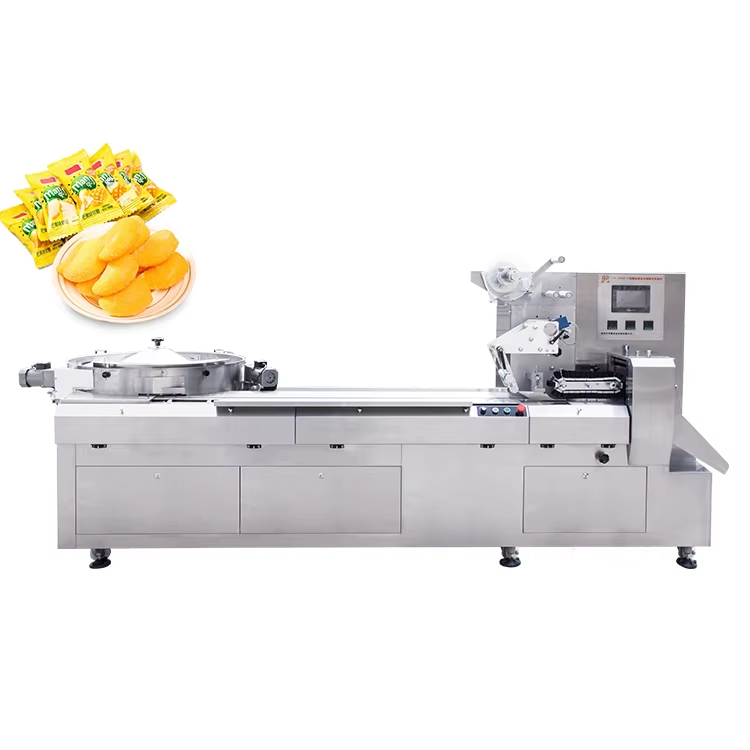
Overcoming Gummy-Specific Challenges: Stickiness and Irregular Geometry
Why tackiness and non-uniform shapes cause jamming in conventional candy packaging machines
Most traditional candy packaging equipment has real trouble handling gummies because of their sticky nature and odd shapes. When these soft candies aren't coated properly, they tend to stick to metal parts inside the machine and form clumps as they move through the system. This causes all sorts of problems - hoppers get clogged, transfer chutes stop working right, and those funny shaped gummies like bears and worms just won't line up properly on the conveyor belts designed for round or square candies. What happens next? Factory workers constantly have to stop everything and clear out jams manually, which can reduce overall production efficiency by around 30% compared to packing regular candies. According to industry reports, about two thirds of all downtime specifically related to gummy products comes down to these same issues. This highlights why older packaging systems simply aren't cut out for dealing with moist, irregularly shaped treats that don't fit into standard packaging processes.
Vacuum-assisted grippers and food-grade non-stick polymer guides in modern candy packaging machine design
Today's advanced systems tackle these problems using two key improvements: vacuum assisted end effectors combined with food grade non stick surfaces. The guides coated with PTFE create really smooth paths that repel sticking stuff, even when dealing with sticky syrups or those high Brix gummies. This setup keeps residues from building up and maintains clean operation throughout. When paired with vacuum grippers that can adjust their suction power depending on what they're picking up, the whole system becomes pretty good at handling all sorts of delicate shapes like stars, hearts or worm shaped candies without squishing them. These innovations cut down jamming incidents by about 92 percent and keep production running at over 200 pieces per minute regardless of candy shape. For anyone working with moist confections, this represents a major leap forward in reliable packaging solutions.
Enabling Multi-Format Flexibility for Bears, Worms, Vitamins, and Giant Gummies
How rising demand for functional and novelty gummies drives modular candy packaging machine adoption
The growing appetite for functional gummies packed with vitamins and all sorts of novelty shapes has simply overwhelmed what traditional fixed-format machines can handle. We're talking everything from tiny supplement bites to massive holiday-themed candies here. The problem is these treats come in so many different textures soft gelatin versus harder pectin bases, sizes ranging anywhere between 3mm to 40mm, and varying degrees of structural strength that running them on single purpose lines just doesn't make financial sense anymore. That's where modular packaging systems step in. These machines let operators quickly switch around sealing components, adjust how films are fed, and modify lane configurations so they can process delicate vitamin gummies alongside heavy duty novelty items without missing a beat. Manufacturers have found they save about 40 percent on initial costs compared to buying separate machines for each product type. And this makes perfect sense given recent surveys showing nearly 7 out of 10 candy makers need to change production formats at least three times every week now.
Modular changeover kits: Achieving <5-minute format shifts across 3–40 mm gummy sizes
The ability to switch formats quickly comes from these standardized, no-tool modular kits. They come with parts that can be swapped out easily like different lane guides, conveyors with pockets, and chain systems that adjust their pitch based on what size products need handling. When dealing with small stuff like 3mm vitamin gummies, special microfiber belts help prevent those little things from sticking together due to static electricity. For bigger items around 40mm in size, there are retractable side rails that keep everything aligned within about half a millimeter accuracy. Instead of manually adjusting things every time, modern systems use servo motors with quick release features. These automatically align components using digital checks instead of old fashioned measuring tools. Workers just scan QR codes on the kit labels which loads all the right settings automatically into the system. This cuts down on mistakes made by people and gets production lines ready for new formats in less than five minutes flat. Plus it keeps everything clean according to FDA standards between batches, while also making room for newer products coming onto the market such as those weird 3D printed gummy shapes we've been seeing lately.
Precision Sizing Adaptation via Servo-Controlled Indexing and Vision-Guided Feeding
Servo-driven cam indexing eliminates mechanical recalibration for 3–40 mm gummy dimensions
The servo driven cam indexing system swaps out those old mechanical linkages for something much smarter – programmable motion control. This lets machines handle everything from small 3mm gummies right up to the bigger 40mm ones without missing a beat. There are hundreds of preset settings stored digitally for different products, so when operators need to change formats, they can do it in less than 90 seconds while still keeping position accuracy within about 0.2mm. That kind of precision matters a lot because if things get off track even slightly, pouches won't seal properly and trays won't load correctly. The machine has this feedback loop thing going on too that keeps adjusting for changes in belt tension. According to Packaging Digest from last year, this actually fixes around 74% of the jam problems we see in traditional systems. And all this matters because sticky gelatin based candies tend to deform easily, but with these systems running at top form, performance stays consistent no matter what size or how moist the product happens to be.
Vision-guided robotic pick-and-place: Replacing fixed molds for asymmetric shapes (stars, hearts, bears)
The introduction of vision guided robots has pretty much done away with those fixed molds needed for dealing with all sorts of weird shaped gummies. These systems use high res cameras to track where each piece is sitting in real time, whether it's a star, bear, worm or heart shape candy. They then guide six axis robotic arms that can repeat movements down to about tenth of a millimeter accuracy to pick up and position these candies correctly. Some smart machine learning stuff helps figure out when candies are stuck together or overlapping, cutting down mistakes during processing by nearly 90 percent according to ProFood World from last year. When combined with special food safe vacuum grippers that adjust their suction strength based on how soft or coated the candy is, this whole setup can handle different types of candies mixed together at over 200 pieces per minute without needing to switch molds or slow down production.
FAQ
Why do gummies cause problems in traditional candy packaging machines?
Gummies are sticky and have irregular shapes, which makes them prone to jamming and clumping in conventional packaging systems designed for standard candies.
How do modern packaging machines handle sticky and irregularly shaped gummies?
They use vacuum-assisted grippers and food-grade non-stick polymer guides to minimize sticking and ensure efficient handling of various gummy shapes.
What advantages do modular packaging systems offer for gummy production?
Modular systems allow for quick format changes, accommodating various sizes and shapes of gummies without the need for multiple dedicated machines, thus reducing costs and increasing flexibility.
How does vision-guided robotics improve the packaging process for gummies?
Vision-guided robots provide high accuracy in positioning and can eliminate the need for fixed molds, improving efficiency and reducing errors in the packaging process.