Horizontal Flow Wrap Machine Price Guide 2024

All Categories

horizontal flow wrap machine price

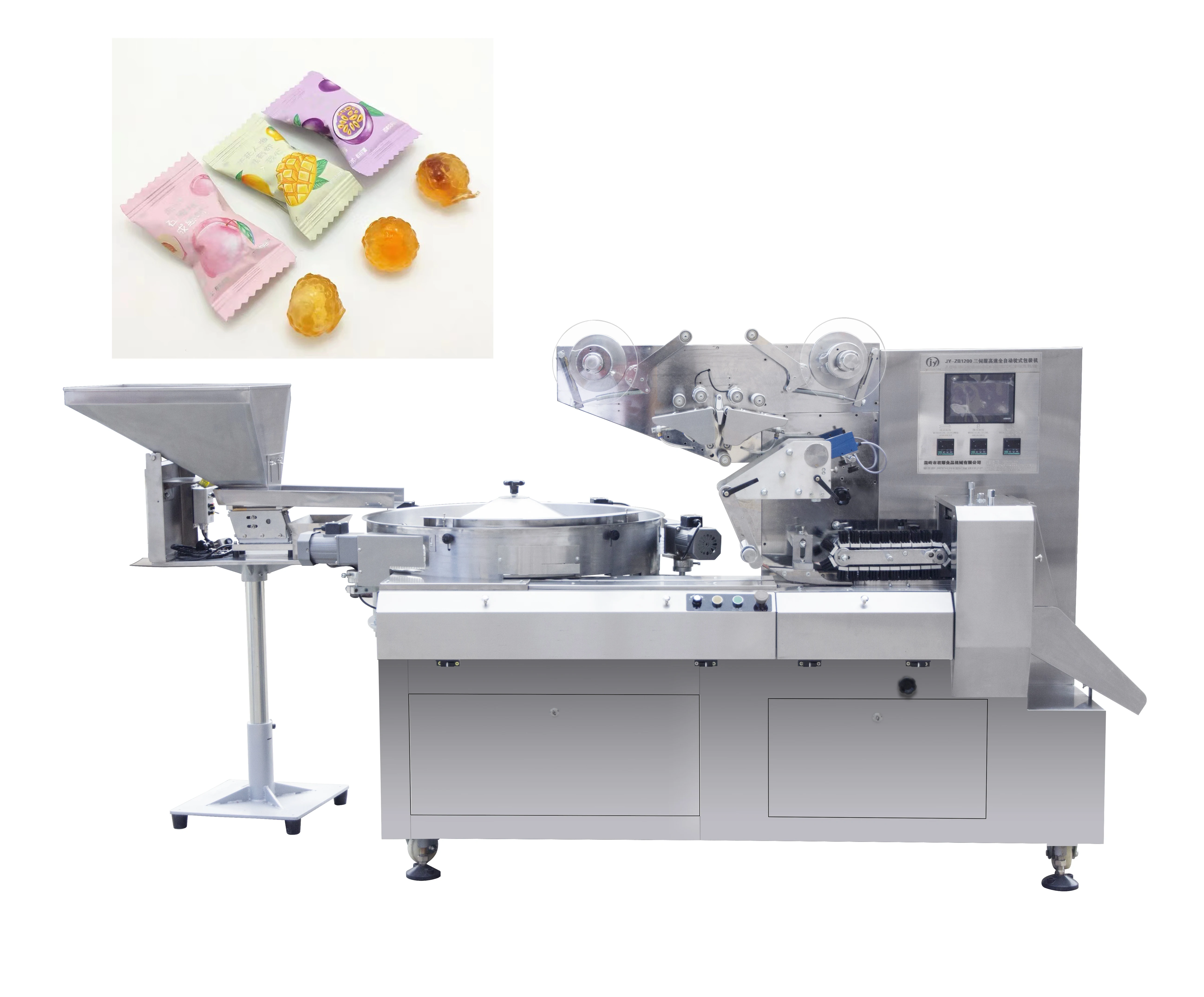
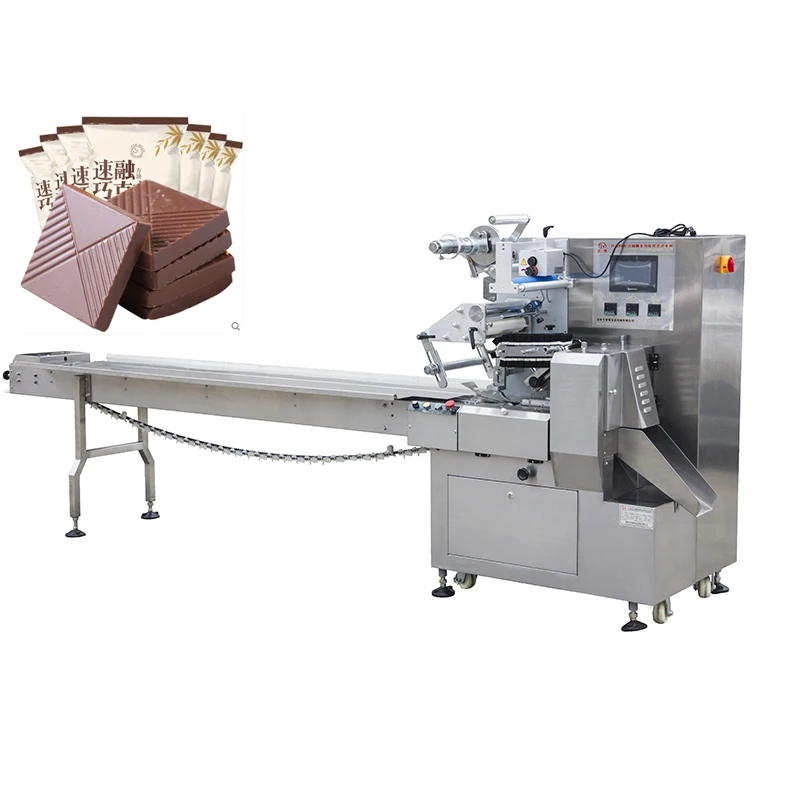
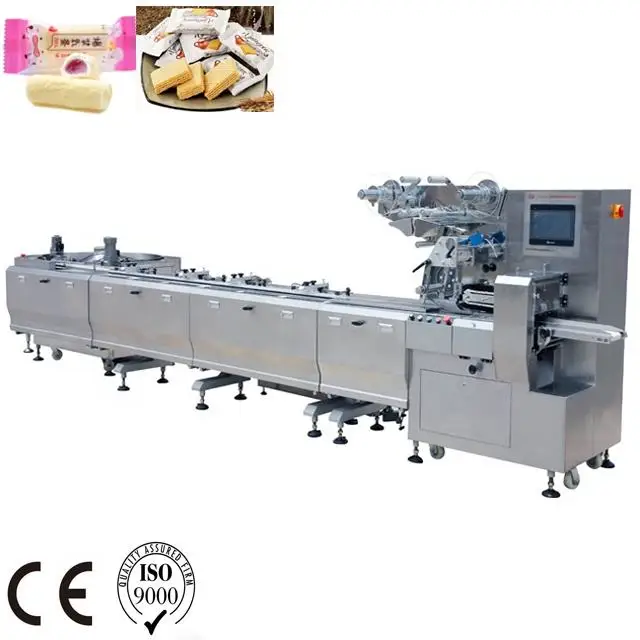
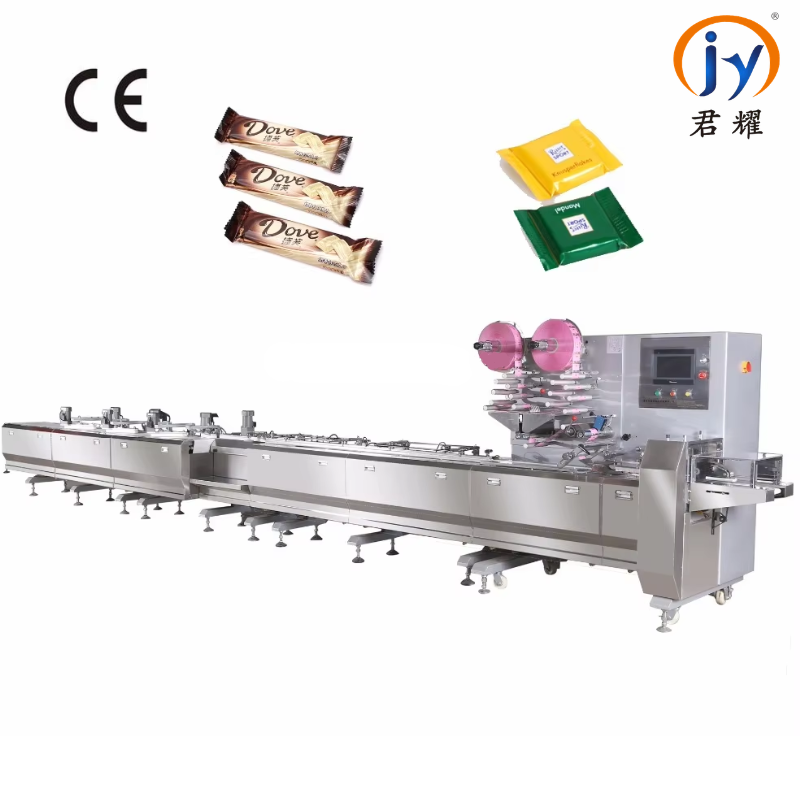
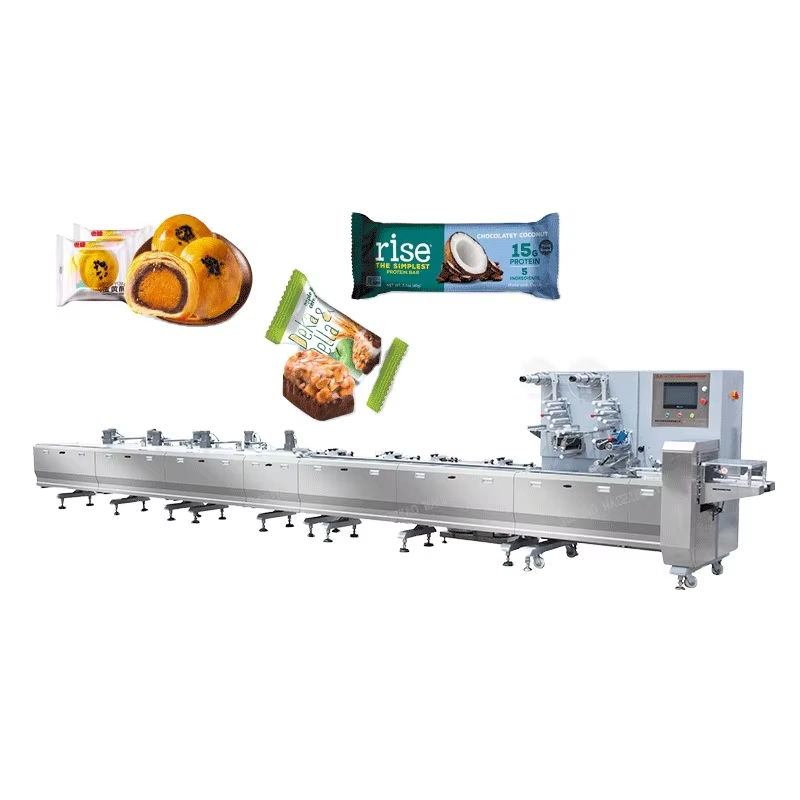
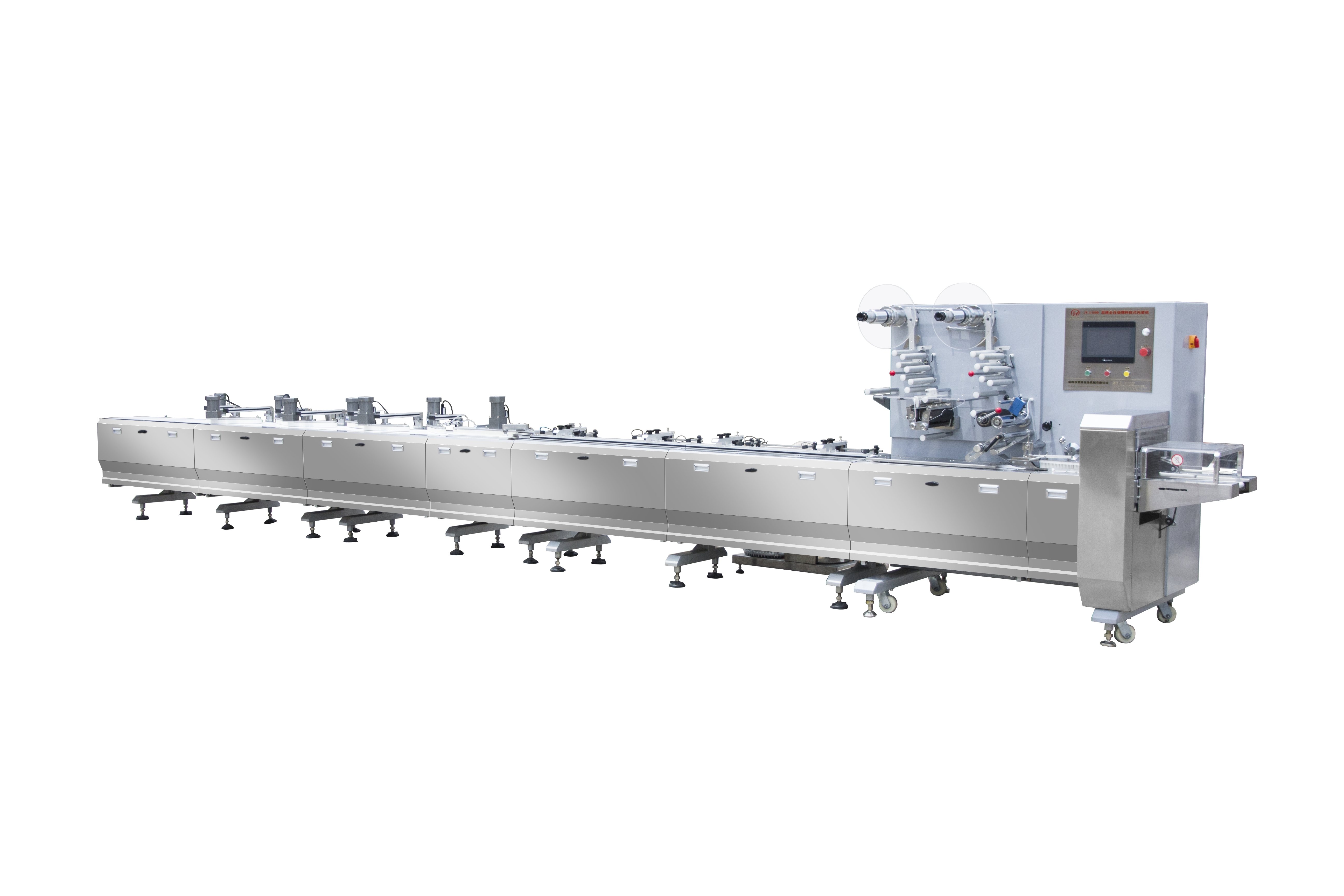
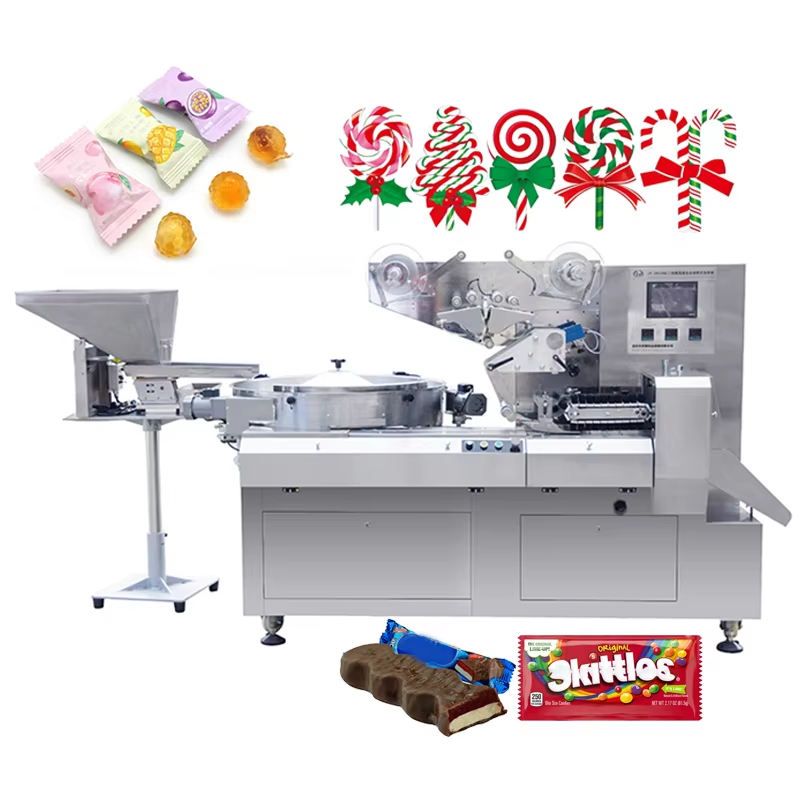
Understanding the horizontal flow wrap machine price is essential for businesses seeking efficient packaging solutions. These automated systems wrap products in a continuous film, creating secure, professional packages at high speeds. The horizontal flow wrap machine price typically ranges from $8,000 for entry-level models to over $80,000 for advanced industrial systems, depending on capabilities and features. These machines excel at packaging food items, pharmaceuticals, cosmetics, hardware, and consumer goods. Their main functions include automatic feeding, film unwinding, product wrapping, sealing, and cutting. Technological features often comprise servo motor control systems, programmable logic controllers, touch-screen interfaces, and adjustable speed settings. Advanced models offer multi-lane configurations, date coding integration, and reject systems. The horizontal flow wrap machine price reflects factors like production speed, film width capacity, sealing mechanisms, construction quality, and automation level. Machines handling 30-60 packages per minute suit small operations, while high-speed units processing 200-300 packages per minute serve large manufacturers. When evaluating the horizontal flow wrap machine price, consider your product dimensions, output requirements, and desired features. Stainless steel construction increases durability and meets food-grade standards but raises costs. Additional components like product infeed conveyors, film registration systems, and gas flushing capabilities influence the final investment. Understanding these variables helps businesses select equipment matching their production needs and budget constraints.

New Products

Investing in packaging equipment requires careful consideration of both initial costs and long-term value. The horizontal flow wrap machine price represents an investment that delivers substantial returns through increased efficiency and reduced labor costs. These machines automate repetitive packaging tasks, allowing businesses to reallocate workforce to value-added activities. Production speeds increase dramatically compared to manual wrapping, with even basic models packaging 60-100 items per minute. This efficiency translates directly to higher output and revenue potential. Material waste decreases significantly as machines precisely measure and cut film, eliminating the excess material common in hand-wrapping operations. Consistent package quality enhances brand presentation and reduces customer complaints about damaged or poorly sealed products. When comparing the horizontal flow wrap machine price across models, buyers gain flexibility to match equipment capabilities with specific application requirements. Compact tabletop units suit startups and small bakeries, while floor-standing industrial systems handle demanding production environments. Energy-efficient motors and optimized heating systems reduce operational expenses over the machine's lifespan. Maintenance requirements remain manageable with accessible components and straightforward cleaning procedures. The horizontal flow wrap machine price becomes more justifiable when calculating payback periods, which often range from 12-24 months depending on production volume. Machines with modular designs allow future upgrades without complete replacement, protecting initial investments. Versatility stands as another key advantage, as these systems accommodate various product shapes and sizes through adjustable settings. Modern machines integrate seamlessly with existing production lines, enhancing overall manufacturing efficiency. Reduced product exposure to contaminants improves hygiene standards, particularly important in food and pharmaceutical applications. The horizontal flow wrap machine price ultimately reflects equipment that delivers operational consistency, quality assurance, and competitive advantages in fast-paced markets.

Latest News

Why Confectionery Packaging Equipment Is a Game-Changer for Small Businesses

03

Mar

Why Confectionery Packaging Equipment Is a Game-Changer for Small Businesses

How Candy Packaging Machines Slash Labor Costs and Boost Output Cutting Labor Expenses by 40–60% Through Semi-Automated Packaging Wrapping, sealing, and labeling candies by hand takes a lot of work from people all day long. These tasks are prone to m...
View More
What Safety Standards Should Candy Packaging Machines Meet?

05

May

What Safety Standards Should Candy Packaging Machines Meet?

FDA and Food Contact Compliance for Candy Packaging Machines FDA 21 CFR Requirements for Food-Contact Surfaces and Material Migration Limits Candy packaging machines must comply with FDA 21 CFR Part 170–189, which governs food-contact substan...
View More
How Flow Wrapping Equipment Improves Packaging Efficiency

07

May

How Flow Wrapping Equipment Improves Packaging Efficiency

The Flow Wrapping Process: Continuous Motion for Maximum Uptime Conventional packaging often relies on stop-start cycles—products pause for sealing and cutting—introducing friction that reduces throughput and wastes energy. In contrast,...
View More
What Is an Automatic Horizontal Flow Pack Machine and How Does It Work?

09

May

What Is an Automatic Horizontal Flow Pack Machine and How Does It Work?

Horizontal Flow Packing Machine: Definition, Core Function, and Industry Role A horizontal flow packing machine is an automated packaging system that encases products in flexible film via continuous horizontal motion. It forms sealed “pillow ...
View More

Get a Free Quote

Our representative will contact you soon.
Name
Email
Required Product
Message
0/1000

horizontal flow wrap machine price

Cost-Effective Automation Solutions

Cost-Effective Automation Solutions

The horizontal flow wrap machine price structure accommodates businesses at different growth stages, from startups to established manufacturers. Entry-level machines priced between $8,000-$20,000 provide essential wrapping capabilities for small operations producing 30-80 packages per minute. These units deliver reliable performance for bakeries, small food processors, and specialty product manufacturers entering automated packaging. Mid-range systems costing $20,000-$45,000 offer enhanced speeds of 100-150 packages per minute with improved control systems and durability features. These machines suit growing businesses experiencing increased demand and requiring consistent output quality. Premium industrial models priced above $45,000 provide maximum throughput of 200-300 packages per minute, multi-lane configurations, and advanced integration capabilities. The horizontal flow wrap machine price at each level reflects specific technological investments that match operational requirements. Smart buyers evaluate total cost of ownership including energy consumption, maintenance expenses, and productivity gains rather than focusing solely on initial purchase prices. Financing options and leasing programs make advanced packaging technology accessible to businesses with limited capital budgets. This pricing flexibility enables companies to implement automation strategies aligned with growth trajectories and return-on-investment expectations.
Precision Engineering for Product Protection

Precision Engineering for Product Protection

Modern packaging equipment incorporates sophisticated engineering that justifies the horizontal flow wrap machine price through superior product protection and presentation. Advanced sealing systems utilize precise temperature control and adjustable pressure to create hermetic seals that preserve freshness and prevent contamination. Servo-driven film transport mechanisms ensure accurate registration, eliminating waste from misaligned prints or improper cuts. Touch-screen interfaces with recipe storage capabilities allow operators to switch between products quickly, minimizing downtime during production changes. Safety features including emergency stops, safety guards, and interlock systems protect workers while maintaining compliance with industrial regulations. Stainless steel construction in food-grade models prevents corrosion and facilitates thorough cleaning, meeting stringent hygiene standards. The horizontal flow wrap machine price for these engineered systems reflects investments in components that deliver years of reliable operation. Precision encoders and sensors monitor film tension, product position, and sealing quality in real-time, automatically adjusting parameters to maintain consistency. This technological sophistication reduces defect rates, minimizes product giveaway, and ensures every package meets quality standards that strengthen brand reputation and customer satisfaction.
Versatile Applications Across Industries

Versatile Applications Across Industries

The horizontal flow wrap machine price provides access to packaging solutions serving diverse industry sectors with varying product requirements. Food manufacturers use these machines for wrapping baked goods, candy bars, fresh produce, frozen items, and snack foods, with options for modified atmosphere packaging that extends shelf life. Pharmaceutical companies rely on flow wrappers for unit-dose medications, medical devices, and sterile products requiring contamination-free packaging. Consumer goods manufacturers package soap bars, sponges, hardware items, toys, and promotional materials efficiently using adjustable film width and product handling systems. The horizontal flow wrap machine price remains justified across applications because these versatile systems handle products ranging from small confections to larger items like tissue boxes through changeover adjustments. Businesses serving multiple markets benefit from equipment capable of packaging different product categories on the same machine. Optional features like gas flushing extend product freshness for perishables, while print registration ensures branded films align perfectly for professional presentation. This application versatility maximizes equipment utilization rates and provides operational flexibility that adapts to changing market demands and product portfolios, making the investment more economically viable across business cycles.
Newsletter
Please Leave A Message With Us