
 EN
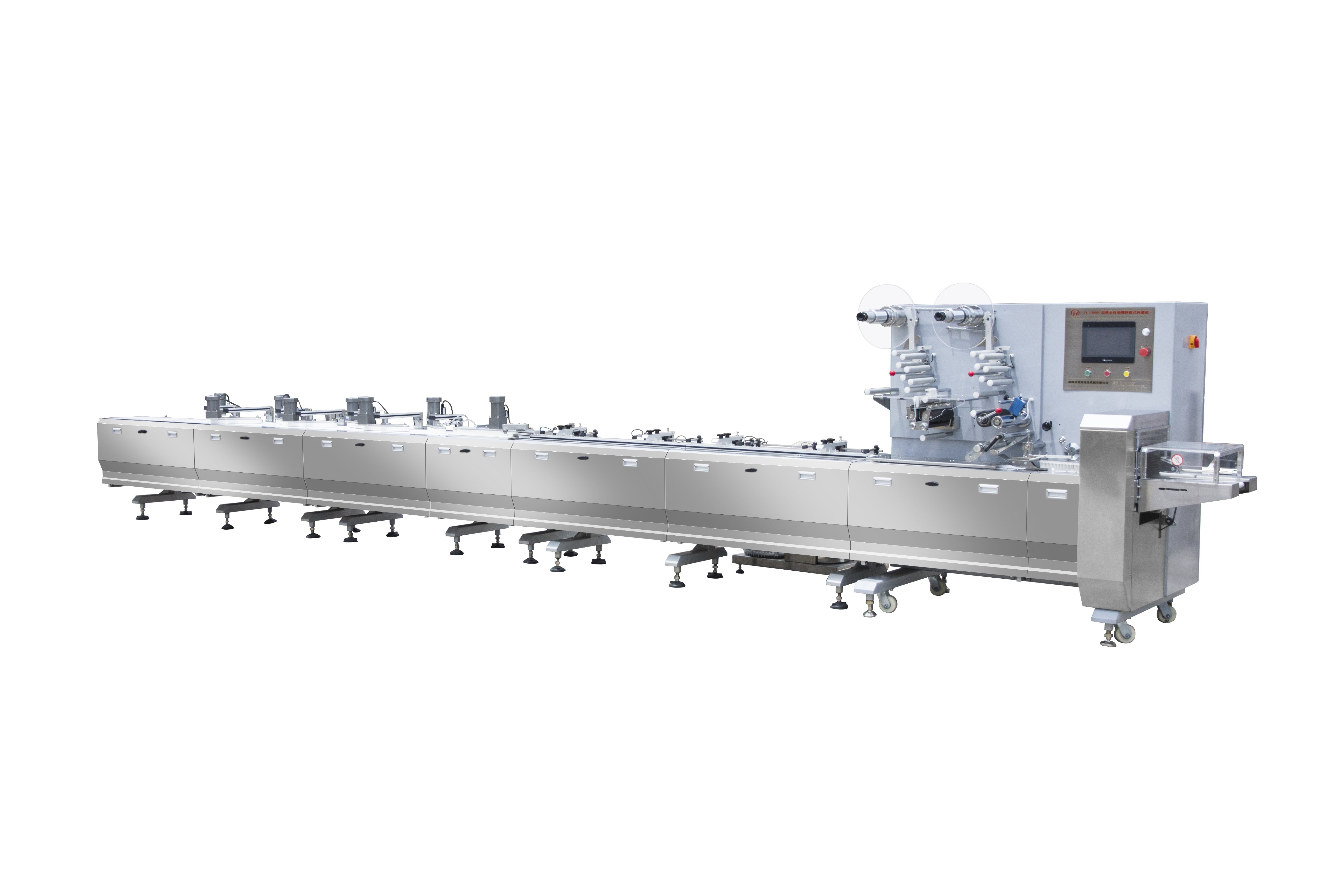
Modern packaging operations demand speed, consistency, and flexibility to remain competitive in today's fast-paced market. A flow packing machine represents one of the most transformative investments a manufacturer can make to meet these demands. These versatile systems automate the wrapping and sealing process with precision that manual labor cannot match, delivering packaged products at scales that drive profitability. Understanding why a flow packing machine has become indispensable helps packaging decision-makers grasp the strategic importance of this equipment beyond simple cost reduction.
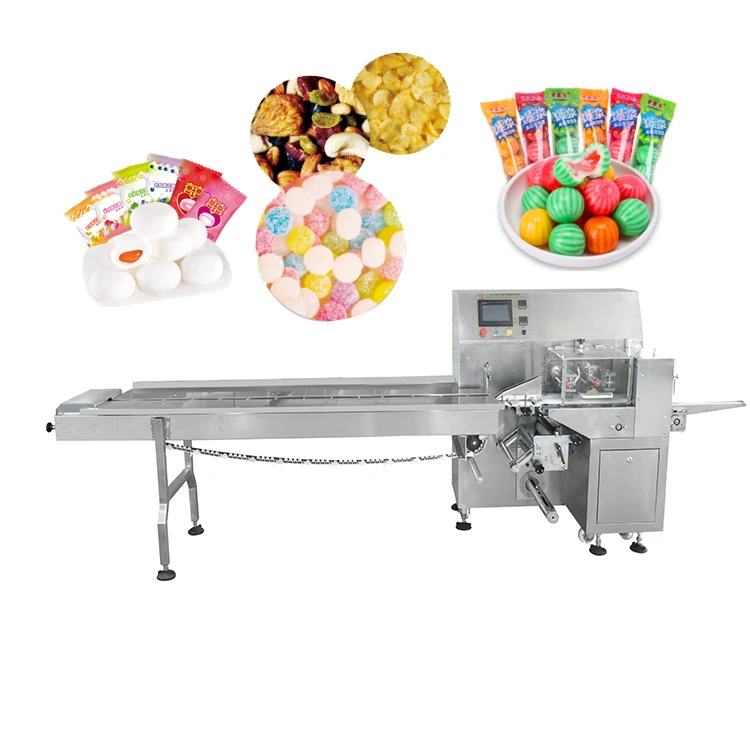
The role of a flow packing machine extends across multiple industries—from food and confectionery to pharmaceuticals and consumer goods. Manufacturers rely on this equipment to wrap products in continuous roll film, creating airtight, tamper-evident packages at high speeds. A flow packing machine transforms raw production output into market-ready product in one seamless operation, eliminating costly manual handling and reducing packaging defects that damage brand reputation.
Production Efficiency and Speed Gains
Accelerating Output Without Sacrificing Quality
The primary reason manufacturers invest in a flow packing machine is the dramatic increase in throughput. Modern industrial flow packing machines can wrap hundreds to thousands of units per hour, depending on product size and packaging specifications. This velocity is physically impossible to achieve through manual wrapping, yet the quality remains consistent because a flow packing machine operates with mechanical precision that eliminates human error and fatigue. Every package exits identical in appearance, seal strength, and dimensions, which strengthens consumer confidence and reduces warranty claims related to packaging failure.
Continuous Operation and Reduced Downtime
A properly maintained flow packing machine runs continuously throughout shifts and even across multiple shifts with minimal intervention. Unlike manual packaging stations where breaks, fatigue, and human inconsistency create production gaps, a flow packing machine delivers predictable, uninterrupted output. This reliability enables manufacturers to commit delivery schedules with confidence and respond to market demand surges without hiring seasonal temporary labor. The mechanical consistency of a flow packing machine also reduces quality-related line stoppages that occur when manual packers make mistakes.
Cost Reduction and Resource Optimization
Labor Efficiency and Reallocation
While investing in a flow packing machine requires upfront capital, the labor savings compound dramatically over time. A single flow packing machine often replaces four to eight manual packers, depending on production volume and product complexity. This is not about eliminating jobs but reallocating skilled workers to higher-value activities such as quality inspection, machine maintenance, product innovation, and customer service. The cost per packaged unit drops significantly as a flow packing machine amortizes its purchase price across millions of units. Many manufacturers report payback periods of twelve to twenty-four months, after which the flow packing machine operates at near-pure margin contribution.
Material Efficiency and Film Utilization
A modern flow packing machine optimizes film usage through precise tension control and cutting algorithms that minimize waste. The flow packing machine adjusts wrap length based on actual product dimensions, reducing material excess compared to manual operators who often over-wrap products to ensure seal quality. Over years of high-volume production, these material savings translate into millions in reduced packaging costs. A flow packing machine also reduces product damage during wrapping, which means fewer returns and less waste of the product itself—a critical advantage in food, beverage, and perishable goods sectors.
Product Quality and Brand Protection
Consistency, Seal Integrity, and Shelf Appeal
Consumer perception begins the moment a customer touches the packaged product on a store shelf. A flow packing machine delivers uniform packages with tight, professional seals that convey quality and care. Every wrap from a flow packing machine exhibits identical pressure, heat application, and film tension, which ensures every package maintains freshness and protects contents from contamination. In regulated industries like pharmaceuticals and food, a flow packing machine provides documented, auditable processes that meet compliance requirements and create traceability records automatically.
Tamper Evidence and Regulatory Compliance
Many markets now require tamper-evident packaging as a legal mandate or consumer expectation. A modern flow packing machine integrates tamper-evidence features seamlessly, such as perforation lines, colored indicative films, or security seals that break if packaging is opened. A flow packing machine handles these features consistently, whereas manual application introduces variability and potential compliance failures. Pharmaceutical manufacturers, particularly, depend on a flow packing machine to meet FDA, EU, and other regulatory bodies' strict packaging documentation requirements, ensuring that every unit can be traced back to its production batch and conditions.
Scalability and Flexibility in Operations
Adapting to Product and Market Changes
Markets evolve, product portfolios change, and customer demands shift rapidly. A contemporary flow packing machine offers modular design and programmable controls that allow quick changeovers between product types, film materials, and package dimensions. Rather than investing in entirely new equipment for each product variation, a flow packing machine can be reconfigured in minutes to accommodate new packaging formats. This flexibility is invaluable for manufacturers serving diverse customer segments or launching seasonal products that require temporary capacity increases without permanent capital expenditure.
Scaling Production to Meet Growth
As a business grows, manual packaging becomes a production bottleneck that limits revenue potential. A flow packing machine breaks this ceiling by dramatically expanding capacity without proportional increases in floor space or labor. A single compact flow packing machine occupies a footprint similar to a manual wrapping station yet delivers five to ten times the output. For growing manufacturers, investing in a flow packing machine early positions them to capture market share without rebuilding their entire packaging infrastructure as volume increases.
FAQ
What types of products can a flow packing machine package?
A flow packing machine excels at wrapping a wide variety of products, including candy, cookies, chocolate, bread, pharmaceuticals, hardware items, personal care products, and small consumer goods. The versatility of a flow packing machine depends on its design specifications, such as maximum product width, thickness tolerance, and film compatibility. Most modern flow packing machines offer adjustable settings to accommodate different product dimensions, making a flow packing machine suitable for manufacturers with diverse product portfolios.
How much maintenance does a flow packing machine require?
Routine maintenance for a flow packing machine includes daily cleaning, film roll inspection, and seal jaw alignment checks. Monthly maintenance involves lubricating moving components and inspecting heating elements. A well-designed flow packing machine includes self-diagnostic systems that alert operators to wear conditions before failure occurs. Preventive maintenance schedules for a flow packing machine typically require two to four hours per week, which is minimal compared to the hours saved through automation and can be integrated into shift changeover routines.
What is the return on investment for a flow packing machine?
Return on investment for a flow packing machine depends on current production volume, labor costs in your region, and packaging material expenses. Most manufacturers achieve positive cash flow within eighteen to thirty months after installing a flow packing machine. The calculation includes labor replacement value, material waste reduction, quality improvements, and increased throughput capacity. A flow packing machine typically generates substantial long-term value as it compounds savings over five to ten years of operation, making capital investment highly justified for any facility processing significant volumes.