 EN
EN

Manufacturing and packaging operations across food, confectionery, and consumer goods industries face constant pressure to balance speed with quality while maintaining cost-effectiveness. A pillow packing machine represents one of the most transformative investments modern producers can make to achieve these competing objectives simultaneously. By automating the wrapping and sealing process, a pillow packing machine eliminates manual bottlenecks, reduces waste, and dramatically accelerates production cycles. Understanding how a pillow packing machine delivers these efficiency gains is essential for any facility looking to remain competitive in today's fast-paced market.
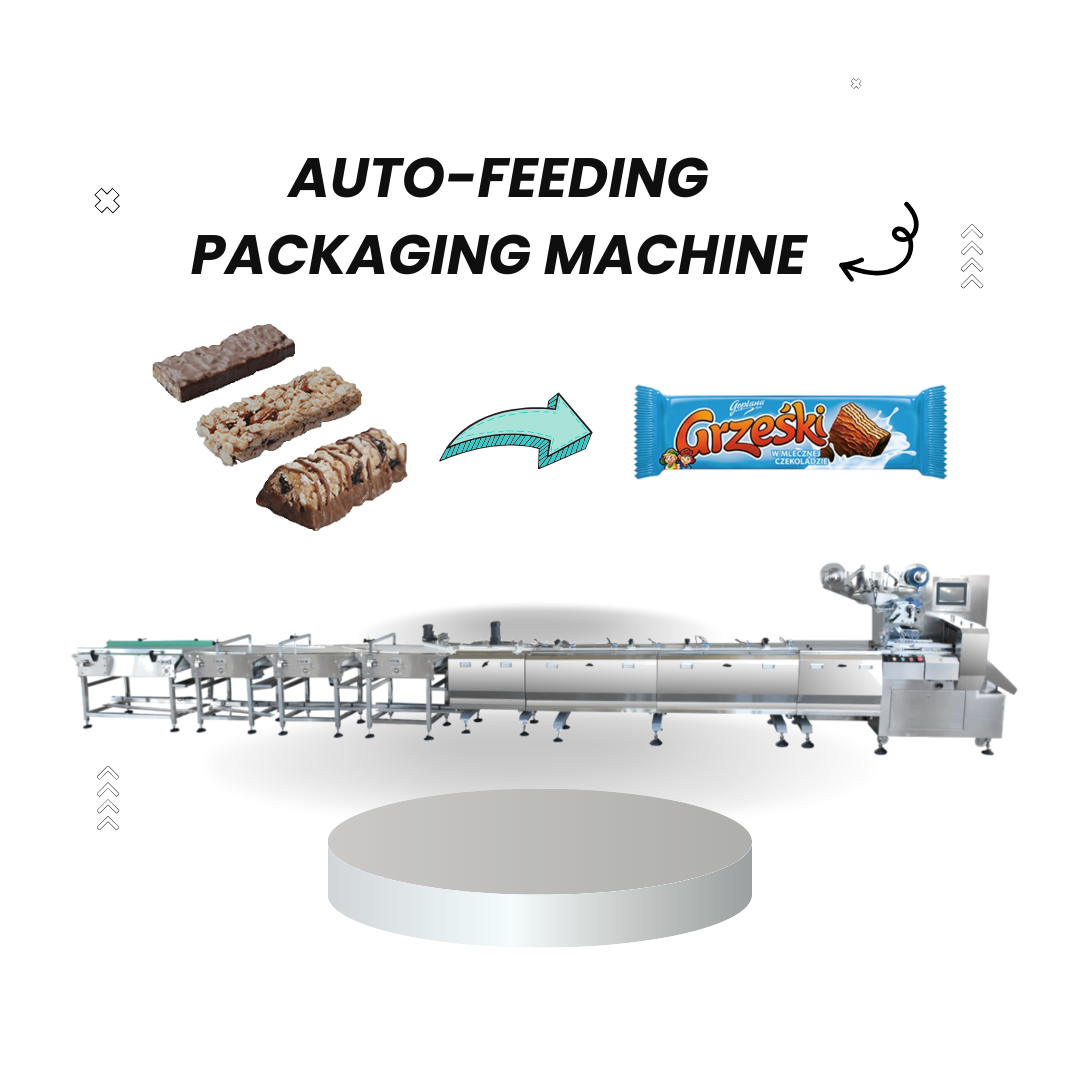
A pillow packing machine automates the entire wrapping workflow, from product feeding through final heat sealing, delivering consistent results at speeds that far exceed manual operations. Modern designs incorporate servo motor technology, optical sensors, and programmable logic controllers to adjust parameters in real time, ensuring every package meets exact specifications. The combination of precision automation and high throughput makes a pillow packing machine the ideal solution for producers seeking measurable returns on capital investment.
How a Pillow Packing Machine Accelerates Production Output
Speed and Throughput Gains
The most immediately visible benefit of a pillow packing machine is the dramatic increase in packages produced per minute. Manual wrapping typically achieves 20 to 40 packages per minute, while a modern pillow packing machine can produce 120 to 300 packages per minute depending on product size and film type. This acceleration directly translates to higher daily output without requiring proportional increases in floor space or energy consumption per unit. A pillow packing machine equipped with advanced servo systems can maintain this speed consistency throughout an entire production run, eliminating the fatigue-related slowdowns that occur with human operators.
Reduced Labor Requirements
Labor represents one of the largest operating expenses in packaging operations, and a pillow packing machine addresses this cost center head-on. A single operator can monitor multiple pillow packing machine units simultaneously, performing quality checks and managing material supply rather than performing repetitive wrapping motions. Facilities report labor cost reductions of 40 to 60 percent after installing a pillow packing machine, as fewer employees are needed for packaging while skilled workers transition to maintenance and process optimization roles. This shift not only reduces payroll but also improves employee satisfaction by moving workers away from monotonous, physically demanding tasks.
Material Efficiency and Waste Reduction
Precision Film Cutting and Sealing
A pillow packing machine uses programmable parameters to cut film and apply heat seals with extreme precision, eliminating the material waste inherent in manual operations. Operators using manual methods often apply excess film or create weak seals that fail during transit, leading to product loss and customer returns. A pillow packing machine reduces scrap rates by 15 to 25 percent through consistent, accurately calibrated cutting and sealing parameters. Over the course of a year, these material savings alone can recover a significant portion of the equipment investment, particularly for producers working with expensive materials like metallized or specialty films.
Consistent Package Quality
Every package produced by a pillow packing machine meets identical specifications for seal strength, film overlap, and dimensions. This consistency eliminates variables that lead to product damage, contamination, or customer complaints. A pillow packing machine maintains uniform seal temperatures and dwell times regardless of ambient conditions or operator fatigue, resulting in packages that perform reliably throughout their shelf life and distribution journey. Quality consistency also simplifies compliance with food safety and regulatory standards, as every package produced by a pillow packing machine leaves an auditable digital record of production parameters.
Flexibility and Scalability of Pillow Packing Technology
Product Versatility
A pillow packing machine serves multiple product categories without requiring extensive hardware modifications. Whether packaging biscuits, candies, coffee, pharmaceuticals, or small electronics, a pillow packing machine can be reconfigured through software adjustments and simple mechanical changeovers. This versatility enables producers to operate efficiently across diverse product lines and adjust production volumes in response to market demand. A pillow packing machine with modular design allows quick transitions between different package sizes and film types, minimizing downtime and maximizing overall equipment effectiveness.
Integration with Production Systems
Modern facilities require seamless coordination between filling, packaging, and labeling operations. A pillow packing machine integrates with upstream and downstream equipment through standardized interfaces, creating cohesive production lines that operate with minimal manual intervention. A pillow packing machine equipped with real-time data collection capabilities provides production metrics, anomaly alerts, and performance analytics that enable predictive maintenance and continuous process improvement. This integration transforms a pillow packing machine from a standalone asset into a strategic component of a comprehensive manufacturing system.
FAQ
What factors determine the ROI timeline for a pillow packing machine?
Return on investment for a pillow packing machine typically ranges from 18 to 36 months, depending on current labor rates, production volume, material costs, and the baseline efficiency of existing packaging methods. Facilities with high-volume operations and elevated labor costs see faster ROI, as the labor savings and increased throughput from a pillow packing machine compound quickly. Smaller producers may take longer to recoup the initial investment, but the cumulative efficiency gains ensure positive ROI over the machine's 10 to 15 year operational lifespan. A pillow packing machine becomes increasingly valuable as production demands grow, since the machine cost remains fixed while output potential expands.
How much maintenance does a pillow packing machine require?
A pillow packing machine requires regular preventive maintenance including film guide cleaning, seal head inspection, servo motor checks, and heat element calibration. Most manufacturers recommend comprehensive maintenance every 6 to 12 months, with basic checks and adjustments performed weekly by operators. A pillow packing machine with predictive maintenance features alerts users to component wear before failures occur, reducing unexpected downtime. Properly maintained pillow packing machine equipment experiences minimal production disruptions, and replacement parts are readily available from manufacturers and authorized distributors.
Can a pillow packing machine handle variable product sizes and shapes?
Modern pillow packing machine designs accommodate variable product dimensions through adjustable forming belts, film width settings, and programmable cutting parameters. A pillow packing machine can switch between product sizes with minimal setup time, though extremely diverse products may require mechanical adjustments. Some advanced pillow packing machine models use vision systems to detect product dimensions automatically and adjust sealing and cutting positions accordingly. For producers managing multiple SKUs, a pillow packing machine with flexible architecture provides the operational agility needed to respond to market opportunities without capital-intensive equipment replacement.