
 EN
EN
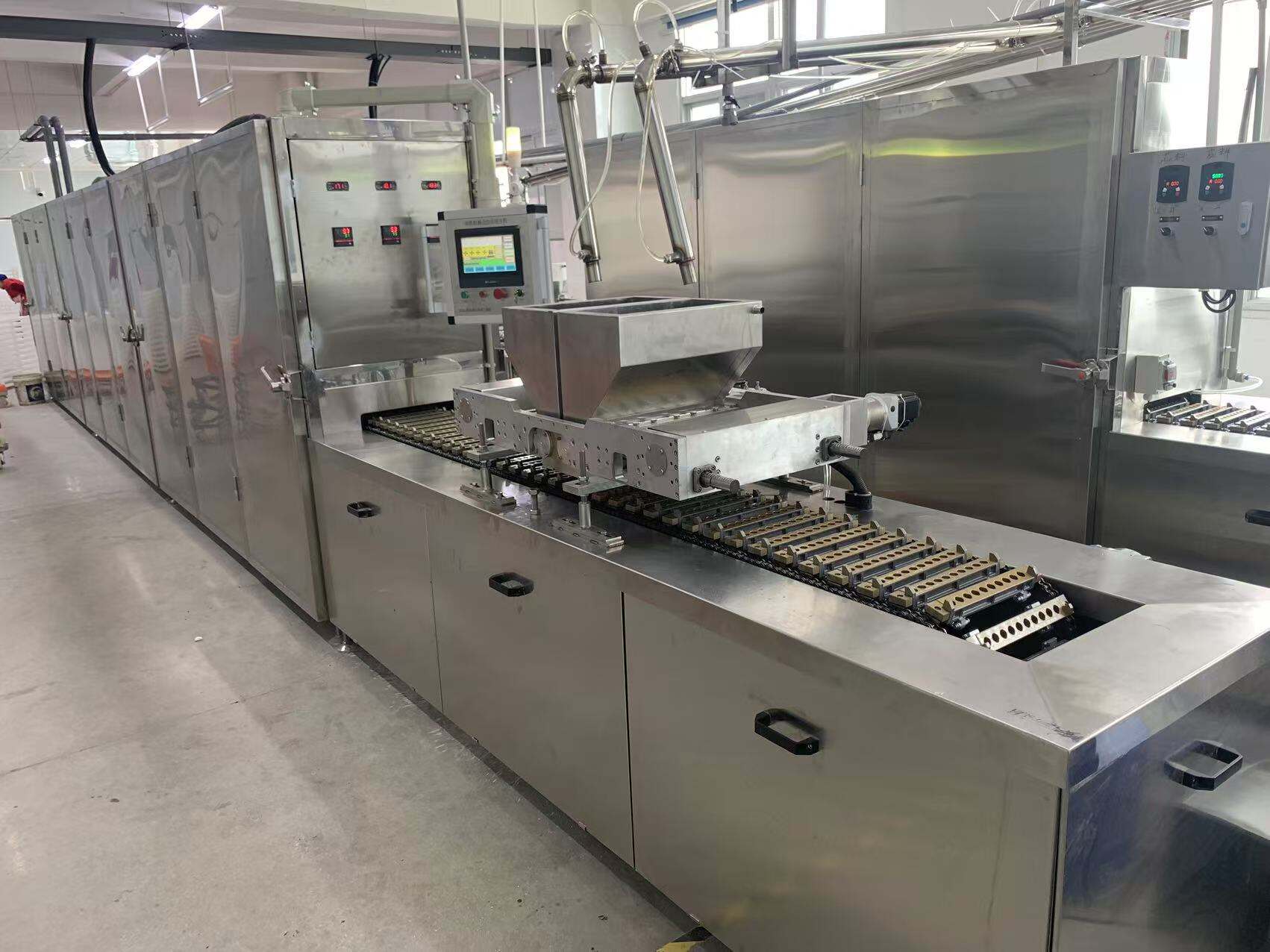
Eliminating Human Contact: How Candy Packaging Machines Reduce Microbial Contamination
The contamination risk of manual handling in confectionery lines
People working with food products bring all sorts of contamination risks into the mix, even when following hygiene rules strictly. Things like skin flakes, hair strands, sneeze droplets, and fabric bits from uniforms can spread dangerous bugs such as Staph aureus and E. coli onto products that aren't wrapped yet. When there's sugar around, these microbes multiply fast. Research indicates that spots where humans touch stuff manually have about three times more bacteria on surfaces than areas handled by machines. The worst trouble spots tend to be places where staff scoop ingredients by hand, seal packages manually, or move items along conveyor belts while touching them directly. Changing gloves regularly and installing better air filters helps cut down on some dangers, but let's face it - whenever people are involved in the process, there will always be some level of non-compliance creeping in somewhere.
How fully automated candy packaging machines isolate product from operator contact
Today's candy packaging equipment keeps people completely out of the production loop thanks to clever engineering that physically separates them from the process. Inside these machines, robots do all the work. They have those fancy vision guided pick and place systems along with servo driven form fill seal tech that moves candies from clean hoppers right through to their final wrapping, no need for anyone to touch anything manually. Workers only deal with the system through control panels located outside the machine area, which is protected by stainless steel barriers and maintained under positive pressure with HEPA filters to keep contaminants out. The machinery runs on NSF H1 compliant lubricants so even if there was any accidental contact between moving parts and products, it wouldn't be a problem. From start to finish in this fully enclosed setup, everything happens within a sealed environment that basically eliminates any possible cross contamination risks during production.
Real-world impact: 72% reduction in surface microbial load post-automation (EU Confectionery Audit, 2023)
The 2023 EU Confectionery Audit measured tangible hygiene gains across 17 facilities after automating packaging lines. Swab samples from conveyor surfaces, sealing jaws, and product-contact zones showed a 72% average reduction in microbial load:
| Metric | Manual Lines | Automated Lines | Reduction |
|---|---|---|---|
| Aerobic plate count (CFU/cm²) | 120 | 34 | 72% |
| Enterobacteriaceae presence | 28% of samples | 3% of samples | 89% |
This improvement stemmed from eliminating over 15 direct hand-contact events per production run. Facilities also reported fewer recalls and extended shelf life—demonstrating automation’s direct contribution to food safety compliance.
Built-in Sanitation: Clean-in-Place (CIP) Systems in Modern Candy Packaging Machines
Sugar residue and biofilm challenges in non-automated packaging environments
Traditional confectionery production lines still rely on manual cleaning methods that just don't cut it when it comes to stubborn sugar buildup. These residues stick around in all sorts of places nobody wants them - between conveyor belt joints, deep inside machinery crevices, and right under those rubber seals. What happens next? The leftover sugar becomes food for bacteria, forming these tough biofilms that regular cleaning can't touch. People working the floor often overlook these hard to reach spots during their cleaning routines. And this oversight has real consequences. The latest EU audit from 2023 found that nearly one out of five facilities using manual cleaning face product recalls due to these very same biofilm issues.
How CIP integration enables validated, repeatable sanitation cycles
The latest candy packaging equipment now comes equipped with Clean-in-Place (CIP) systems that really help tackle those pesky hygiene issues. What these machines do is run cleaning solutions throughout every part that touches the candy itself, no need to take anything apart first. Most standard cleaning cycles go through several steps: starting with a quick rinse, then moving on to something stronger like caustic washes, followed by an acid rinse, and ending with full sterilization. All this happens while temperature sensors and flow meters keep tabs on everything in real time. The whole process gets rid of stubborn sugar residue and kills off harmful bacteria, plus it creates records that meet FDA requirements under 21 CFR Part 117. Manufacturers report about an 89% drop in sanitation mistakes when using these repeatable cycles backed by sensor data, according to independent reviews from outside auditors.
Ensuring Regulatory Compliance: FDA and EU Food Safety Standards for Automated Packaging
Candy packaging machines that automate the process play a big role in staying compliant with FDA and EU food safety rules. In the United States, the FDA has regulations about preventing contamination found in 21 CFR Part 110. Over in Europe, there's Regulation (EC) No 1935/2004 which puts strict limits on how much packaging material can migrate into sugary foods. When companies don't follow these rules, they face serious problems like shutting down their facilities or dealing with product recalls that can cost around $740,000 each time according to a study from Ponemon Institute back in 2023. That's why many manufacturers turn to automated systems to help them stay within all those complicated requirements.
- Validated material traceability, eliminating documentation errors;
- Built-in sanitation protocols that exceed manual cleaning efficacy;
- Seamless, timestamped audit trails for EFSA and FDA inspections.
Integrating these standards at the design stage reduces compliance violations by 68% versus manual processes—without disrupting production continuity.
Sealing Integrity and Product Protection: Tamper-Evident Automation in Candy Packaging Machines
Hermetic Sealing and UV-C Sterilization as Hygiene-Enhancing Features
The latest candy packaging equipment now incorporates hermetic sealing along with inline UV-C sterilization to keep contamination at bay. These air tight seals stop germs and moisture from getting in places where they shouldn't be, which happens all too often when people pack things by hand. The UV-C lights kill off nearly all surface bacteria while the product is being wrapped up according to Food Safety Magazine back in 2022. This works by messing up the DNA of microbes without leaving any chemicals behind, something that really matters for sugary treats since they tend to attract those stubborn biofilms. Most machines also come with tamper evident features like break away seals and temperature indicators so anyone can tell if the package has been opened or exposed to bad conditions during shipping. Manufacturers report around a 47% drop in product recalls thanks to these combined methods, plus their operations naturally meet both FDA 21 CFR Part 11 standards and the newer EU Regulation 2023/2006 requirements. What makes all this work so well? Automated systems produce consistently good seals every time, taking out the guesswork humans bring to such delicate tasks.
FAQ
What are the main contamination risks in manual candy packaging?
Manual handling in candy packaging can introduce risks such as skin flakes, hair strands, and bacteria from hands, leading to potential contamination.
How do automated candy packaging machines reduce microbial contamination?
Automated systems prevent human contact by using robots and sealed environments, minimizing risks of bacterial spread and contamination.
What are Clean-in-Place (CIP) systems, and how do they help?
CIP systems enable thorough cleaning of machine parts without disassembly, helping to remove stubborn residues and biofilms.
Why is regulatory compliance important in candy packaging?
Compliance with FDA and EU standards is crucial to prevent contamination, recalls, and fines, and automated systems help meet these standards consistently.
Table of Contents
- Eliminating Human Contact: How Candy Packaging Machines Reduce Microbial Contamination
- Built-in Sanitation: Clean-in-Place (CIP) Systems in Modern Candy Packaging Machines
- Ensuring Regulatory Compliance: FDA and EU Food Safety Standards for Automated Packaging
- Sealing Integrity and Product Protection: Tamper-Evident Automation in Candy Packaging Machines
- FAQ