
 EN
EN
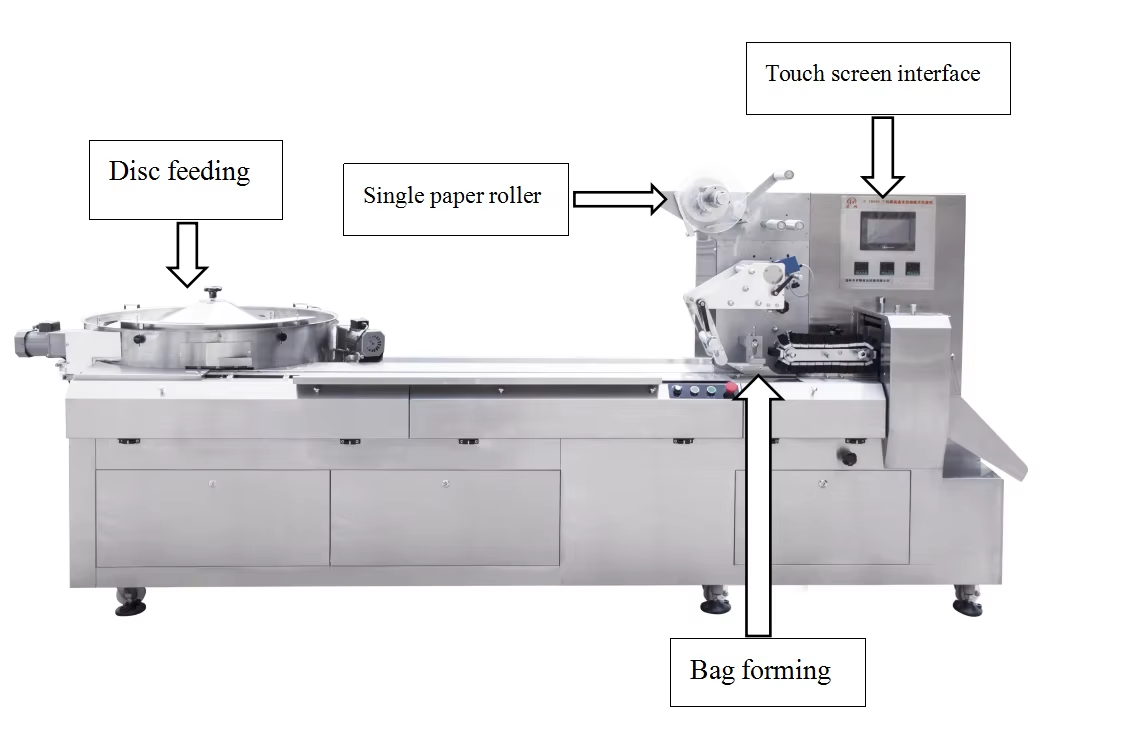
Precision Counting and Weighing for Consistent Gummy Portioning
Multihead Weighers vs. Optical Vision Sensors: Optimizing Accuracy for Sticky, Irregular Gummies
When it comes to portioning those tricky, gooey gummies that just won't stay put, multihead weighers are pretty much the gold standard. These machines combine weight readings from several hoppers all at once, hitting target weights consistently time after time. What makes them so good? They cut down on product giveaway, which matters a lot when dealing with expensive ingredients, while still handling the inevitable shape variations in production runs. Now optical vision sensors work great for counting individual items that don't stick together, but they tend to throw off counts when faced with sticky candies that clump up or overlap. That's where the smart folks in packaging have turned to hybrid systems lately. First, the vision tech spots and breaks apart any stuck-together gummy clusters, then the multihead weigher does its thing to check the final weight. This combo gives manufacturers peace of mind about both accurate counts and meeting weight regulations, even with those pesky irregular shapes.
Sub-Gram Accuracy: How Precision Impacts Yield, Regulatory Compliance, and Brand Reputation
Keeping weight measurements within ±0.2 grams matters a lot for those fancy gummy products with good profit margins. It's not just about following FDA rules on net contents (that 21 CFR Part 11 stuff), but also about making sure we don't waste product and keep our name respected in the market. When machines can measure down to below one gram, companies save around 3 to 5 percent each year on what gets given away for free. But if weights drift beyond ±1%, trouble starts coming fast - regulators might get involved and customers start losing faith. According to research from Ponemon Institute back in 2023, mistakes in labeling cost manufacturers roughly $740 thousand annually because of all the recall headaches, fixing problems, and bad press that follows. So getting those tiny weight differences right isn't just good practice, it actually affects how much money stays in the company's pocket, whether they stay compliant with laws, and ultimately builds up their brand value over time.
Gummy-Specific Handling: Mitigating Stickiness, Shape Variability, and Deformation
Anti-Stick Engineering: Non-Stick Coatings, Pneumatic Oil Spraying, and Low-Contact Conveyance
Around 40% of all packaging line jams in candy manufacturing come from those pesky sticky gummies according to recent industry data from 2024. The best machines out there fight this problem with three main approaches. First they coat everything that touches the gummies with food safe PTFE material which actually reduces sticking issues by somewhere between 60 to 80 percent. Then there are these little oil misters that spray edible mineral oil in super thin layers right before the candies get filled. And finally, some systems use conveyor belts with tiny holes drilled through them to minimize how much surface area the gummies actually touch. All these tricks work together to stop sugar crystals from building up and keep things clean and sanitary. This matters a lot especially with certain types of gummies that absorb moisture easily and become even stickier when running at full speed through production lines. Plus, everything still needs to comply with those strict FDA regulations found in 21 CFR standards.
Shape-Agnostic Feeding: Mold-Compatible Vibratory Bowls and Adjustable Clamp Transport Systems
The weird shapes of gummies like bears and worms need special feeding systems that can get them oriented properly without squishing or breaking them. Today's best practices involve these fancy vibratory bowls that can adjust their frequency, plus custom made cavities lined with silicone that fit exactly what the molds produce. These setups guide each piece into place pretty gently. When moving particularly fragile items around, manufacturers now rely on clamps guided by artificial intelligence. These smart clamps sense pressure in real time and can tweak their grip strength all the way down to just 0.2 Newtons. That means they hold onto candy pieces even when running at over 300 units per minute, but still leave those precious sugar coatings intact and maintain those intricate surface patterns. Combining both technologies gives factories consistent results no matter what kind of sweet treats they're handling from day to day.
Scalable Automation: From Entry-Level Candy Packaging Machine to Fully Integrated High-Speed Lines
Throughput Performance: How 200–600 bpm Machines Maintain Gummy Integrity at Scale
Modern candy packaging machines can handle between 200 to 600 bags every minute without messing up the delicate texture or shape of gummies thanks to their carefully timed movements. These machines rely on precise servo motors that constantly tweak how tight they grip different shaped candies during the process. The conveyor belts are specially treated so nothing sticks, and there's built-in oil mist lubrication throughout the system which helps reduce friction and surface tension problems that cause smudges or deformations. Every setup keeps track of portions down to within plus or minus 0.2 grams, meeting strict regulations while also helping maximize production efficiency. The modular design makes scaling operations much easier too. For smaller runs or testing new products, basic models work at around 200 bpm. But when full automation kicks in, these systems can crank out 600 bags per minute with robots doing all the picking and placing. This eliminates those dangerous drops and impacts that tend to damage candies when running at high speeds.
Food Safety by Design: Hygiene, Compliance, and Material Compatibility in Candy Packaging Machines
Engineering comes first when it comes to food safety, not as an afterthought. The best gummy packaging equipment uses grade 304 stainless steel wherever it touches the product because this material stands up to corrosion and makes cleaning much easier. Machines built without cracks or crevices and designed for easy take apart help prevent bacteria buildup, which keeps facilities in line with those strict FDA and EU cleanliness rules. Material compatibility matters too. Since gummies have that acidic nature and tend to stick everywhere, manufacturers need packaging materials and machine parts that won't let chemicals seep into the product over time. Just one contamination incident could cost around $740,000 according to Ponemon Institute research from 2023, plus damage customer confidence for years afterward. Looking at things this way, food safety goes beyond mere regulations. It forms the bedrock of how well operations run day to day, protects brand reputation, and shows genuine commitment to making products responsibly.
Frequently Asked Questions
What is the main advantage of using multihead weighers for gummy portioning?
The main advantage of using multihead weighers is their ability to consistently hit target weights, minimizing product giveaway while handling diverse gummy shapes, ultimately improving yield and maintaining accuracy.
How do manufacturers achieve sub-gram accuracy in gummy production?
Manufacturers achieve sub-gram accuracy by utilizing advanced weighing machines capable of measuring down to below one gram, reducing product giveaway and ensuring compliance with regulations, which in turn enhances brand reputation.
What techniques are used to mitigate stickiness in gummy packaging?
To mitigate stickiness, packaging machines employ non-stick coatings, pneumatic oil spraying, and low-contact conveyance methods, significantly reducing sticking issues and maintaining sanitary conditions during production.
How is food safety ensured in candy packaging machines?
Food safety is ensured by using grade 304 stainless steel for equipment parts, avoiding cracks and crevices in machine design, and selecting compatible materials to prevent chemical seepage, complying with stringent FDA and EU regulations.
Table of Contents
- Precision Counting and Weighing for Consistent Gummy Portioning
- Gummy-Specific Handling: Mitigating Stickiness, Shape Variability, and Deformation
- Scalable Automation: From Entry-Level Candy Packaging Machine to Fully Integrated High-Speed Lines
- Food Safety by Design: Hygiene, Compliance, and Material Compatibility in Candy Packaging Machines
- Frequently Asked Questions