
 EN
EN
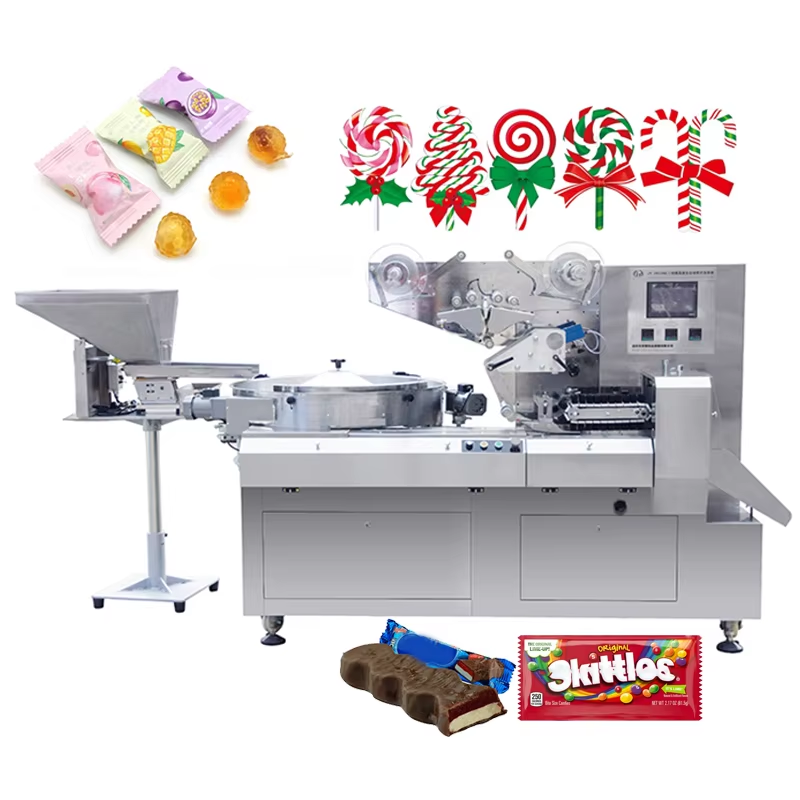
Increased Production Efficiency with Candy Packaging Machines
Reduction in Cycle Time and Labor Dependency
Candy packaging machines today speed things up big time for manufacturers while cutting down on the need for so many workers. These automated systems take care of wrapping, sealing, and sorting candies at blistering speeds over 200 pieces per minute, something no human could ever match. During busy holiday periods when demand spikes, these machines prevent those annoying slowdowns that used to happen all the time. Some plants have cut their workforce requirements nearly in half since switching to automation. According to FoodTech Journal from last year, factories employing these automatic wrappers saw their packaging times drop by around 40%. The machines come equipped with built-in weight checkers and super accurate sealers too. This setup drastically reduces mistakes that people tend to make, which means better quality control across the board and far fewer stoppages throughout the day.
Real-Time Throughput Gains
Leading manufacturers achieve throughput increases of 30–50% after deploying intelligent packaging systems. Operational benchmarks confirm the impact:
| Metric | Manual Packaging | Automated Packaging | Improvement |
|---|---|---|---|
| Units/Hour | 850 | 1,350 | +58.8% |
| Labor Hours/1000 Units | 3.2 | 1.1 | -65.6% |
| Reject Rate | 2.7% | 0.4% | -85.2% |
The improvements come mainly from sensors built into the machines that automatically change speeds based on how much product is flowing through them. There's also this AI stuff for predicting when parts might fail before actual breakdown happens. Operators get alerts on their screens whenever something goes wrong with things like wrapper alignment problems or when fillers get jammed. According to Packaging Efficiency Review from last year, these systems cut down unexpected stoppages by around 70 percent. What does all this mean? Machines stay running longer without interruptions, which translates to better return on investment over time for manufacturers.
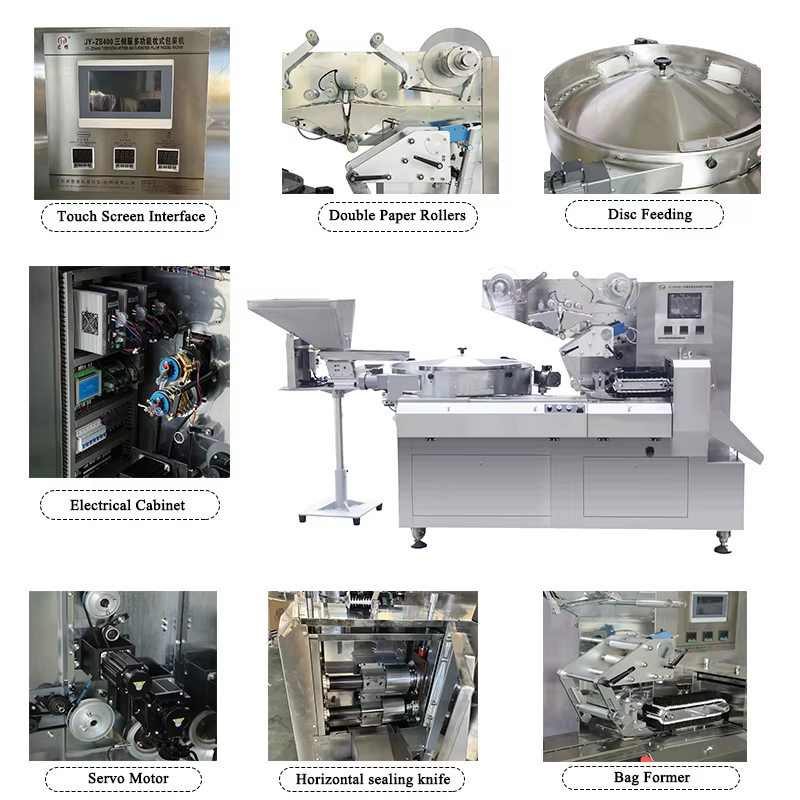
Enhanced Product Protection and Extended Shelf Life
Hermetic Sealing and Moisture-Barrier Integration in Confectionery Packaging Machinery
Candy starts going bad pretty fast when exposed to moisture, oxygen, and physical damage. This leads to things getting stale, losing their nice texture, and sometimes growing unwanted microbes. Today's packaging equipment fights back against all this with tight seals that keep air out and stop stuff from getting contaminated while keeping everything fresh inside. Better quality machines actually use special layered films that block moisture much better than old fashioned methods do, cutting down humidity problems by almost 98%. For candies that really soak up moisture like gummies and chocolates, even just adding 1% extra water makes them feel different and potentially unsafe. When manufacturers maintain good internal conditions inside packages, they can make products last anywhere between 30 to 60 days longer before they need to be thrown away or recalled because something went wrong. A lot of these systems also work with what's called Modified Atmosphere Packaging where they swap out regular air for gases like nitrogen or carbon dioxide to slow down spoilage processes. What happens then is simple but important: snacks stay crunchy, taste great, and look appealing no matter how far they travel from factory to store shelves. This consistency builds customer confidence especially when competing brands are fighting for attention on crowded supermarket aisles.
Improved Food Safety and Regulatory Compliance
Automated Inspection Systems for Contaminant Detection and Seal Integrity Verification
Modern candy packaging lines now come equipped with smart vision tech and X-ray systems that spot unwanted stuff like bits of metal or tiny pieces of plastic before anything gets sealed shut. When it comes to checking if seals are good, these machines use pressure sensors along with laser measurements to catch those super small leaks we can't see with our eyes alone. By taking over from old school manual checks, all this automated stuff cuts down on mistakes made by humans by about 92 percent, and they can handle around 500 packages every single minute. If something turns out contaminated, the system throws it away right away, which saves companies from having to deal with expensive product recalls that typically cost around seven hundred forty thousand dollars each time according to research from Ponemon Institute back in 2023. Plus, each check creates a detailed record with timestamps, making it much easier for quality control teams to track what happened when during production runs.
Meeting FDA 21 CFR and EU 1935/2004 Standards in Candy Packaging Machine Design
Modern candy packaging machines are designed right from the start to satisfy all those tough regulations that food producers have to deal with. The surfaces use food grade stainless steel and have no hidden corners where bacteria might hide, meeting FDA standards for clean production. Every part that touches the actual product, like conveyor belts and filling nozzles, comes from materials approved under EU Regulation 1935/2004 so nothing unwanted migrates into the candy. Most systems now include automated cleaning processes that run between different product runs, which cuts down on the risk of mixing allergens. All these compliance built-ins make it much easier when inspectors show up unexpectedly. Manufacturers report passing surprise checks about 40 percent quicker than before, saving them hundreds of thousands each year in potential fines and downtime costs across their facilities.
Greater Operational Flexibility Across Confectionery Types
Rapid Changeover Between Wrapper, Pouch, and Container Filler Configurations
Candy packaging machines today can switch formats pretty quickly - think wrappers for chocolate bars, pouches for those chewy gummies, and fillers for bulk candy bags - all within about 15 minutes flat. Such flexibility really helps during busy seasons when demand jumps up, especially for those limited edition products companies love rolling out. Plus it keeps pace with green initiatives without making everyone wait around for expensive machine downtime. The advanced motion control systems remember saved settings so operators don't have to start from scratch each time. This means format changes happen roughly 40% faster compared to older manual setups. And because these machines are built with modular parts, adding special components like twist wrapper heads or flow wrap sealers becomes straightforward through standard connections. No more waiting days for retooling work. From tough jawbreakers to fragile truffles, this kind of adaptability maintains steady production rates even as what's popular on store shelves keeps changing month after month.
Sustainability and Waste Reduction in Packaging Operations
Precision Dosing and Optimized Film Usage in Modern Candy Packaging Machines
Today's candy packaging equipment is making big strides for the environment thanks to better dose control and smarter material handling. These machines fill products with pinpoint accuracy, which means less wasted product and fewer raw materials going down the drain. At the same time, they have built-in sensors that check how thick the packaging film needs to be, cutting plastic use by around 20% while still keeping packages sealed properly and protecting against moisture. The combination of these features saves money on operations, cuts down what ends up in landfills, and reduces carbon emissions for each item produced. Companies that switch to this newer technology often see their waste numbers drop significantly over time, which not only helps the planet but also builds trust with customers who care about green practices when shopping for snacks.
FAQs About Candy Packaging Machines
What are the benefits of using candy packaging machines?
Candy packaging machines offer increased production efficiency, enhanced product protection, improved food safety, and greater operational flexibility. They also contribute to sustainability and waste reduction.
How do candy packaging machines improve product shelf life?
Candy packaging machines use hermetic sealing and moisture-barrier integration to protect against contamination and spoilage, significantly extending the shelf life of confectionery products.
What role do these machines play in regulatory compliance?
Modern candy packaging machines are designed to meet strict FDA and EU standards, ensuring food safety through automated inspection systems for contaminant detection and seal integrity verification.
How do these machines contribute to sustainability?
Candy packaging machines optimize film usage and precision dosing to reduce plastic waste and raw material usage, contributing to lower carbon emissions and environmental impact.
Table of Contents
- Increased Production Efficiency with Candy Packaging Machines
- Enhanced Product Protection and Extended Shelf Life
- Improved Food Safety and Regulatory Compliance
- Greater Operational Flexibility Across Confectionery Types
- Sustainability and Waste Reduction in Packaging Operations
- FAQs About Candy Packaging Machines