
 EN
EN
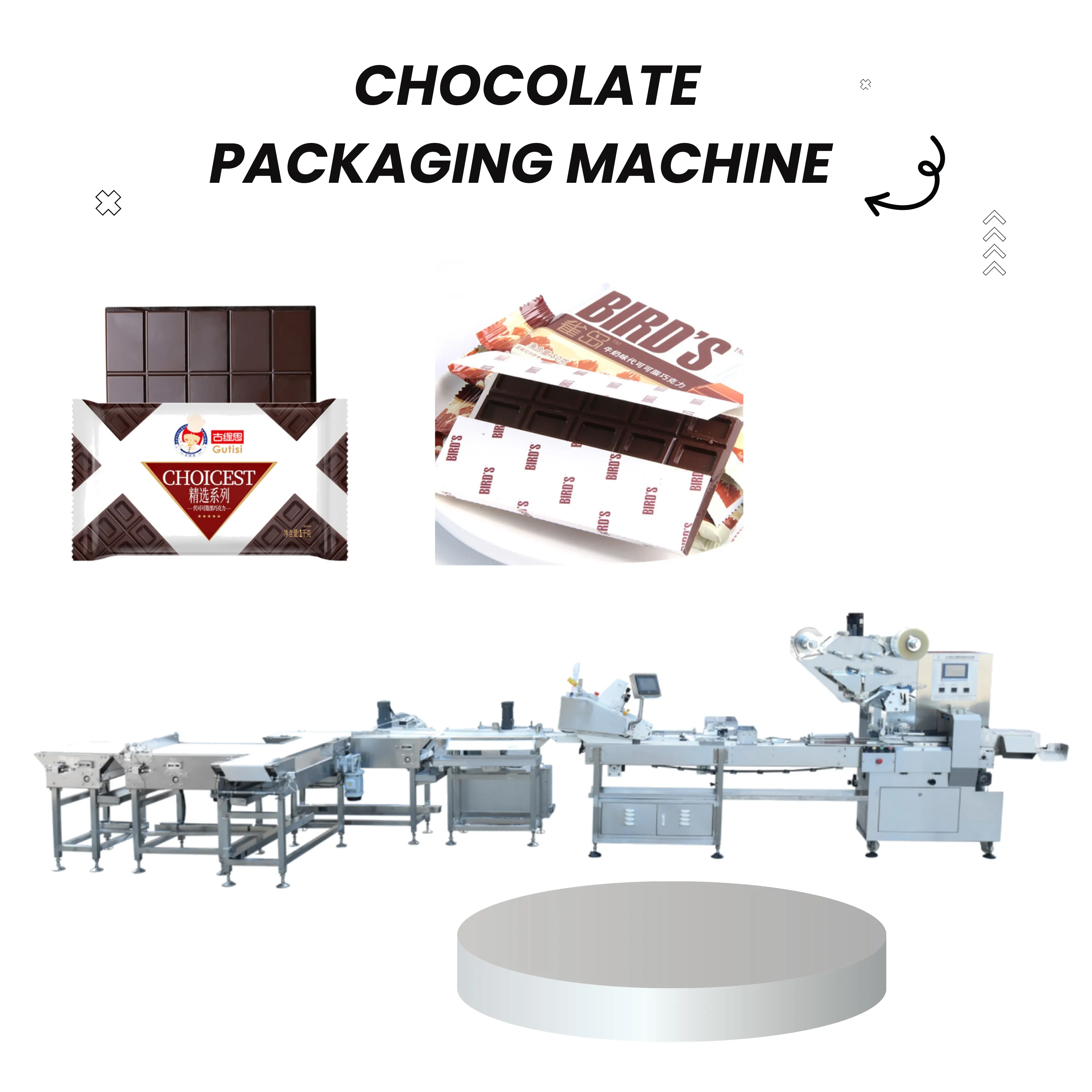
Boosting Efficiency and Scalability with Chocolate Packaging Machines
How automated chocolate packaging machines streamline line integration and throughput
Chocolate packaging equipment today solves production line issues by working smoothly alongside current processes from tempering stages all the way through cooling tunnels. The plug and play design cuts down on setup time significantly - around 70% less than older manual methods according to Food Manufacturing Reports from last year. These machines typically handle between 80 to 200 items every minute, so they keep things moving even when orders jump during busy seasons. What really stands out though is how fast they can switch formats thanks to those precision servos. Operators can change from wrapping truffles to chocolate bars in just a few minutes flat without waiting for lengthy recalibrations.
Real-time monitoring and data analytics for continuous process optimization
Integrated IoT sensors monitor over 15 performance metrics—including seal integrity temperatures, motor vibrations, and film tension—triggering alerts when deviations exceed 5% tolerances. Cloud-based dashboards transform this data into actionable insights:
- Predictive maintenance algorithms detect bearing wear 48 hours before failure
- OEE (Overall Equipment Effectiveness) tracking identifies underperforming stations
- Energy consumption analytics pinpoint waste hotspots
This data-driven approach reduces unplanned downtime by 40% and enables quarterly throughput improvements of 3–5%. By correlating wrap tension trends with ambient humidity, facilities optimize film usage and reduce packaging waste by 17% annually.
Guaranteeing Product Integrity and Food Safety
Precision sealing, temperature-controlled handling, and contamination prevention
Chocolate packaging done automatically means less hands-on work and better temperature management throughout the wrapping and sealing process, which really matters when it comes to stopping germs from growing and keeping stuff clean. The machines have laser systems to check if seals are good enough, plus special air filters that keep dust out, so there's way less chance of getting contaminants in the product than when people do it manually. Some stats show contamination drops dramatically, maybe around 90% or so. For those tricky shaped chocolates that don't fit neatly, vacuum sealing works wonders. And then there's nitrogen gas pumped in after sealing to stop the chocolate from going bad or turning rancid. All these little touches mean customers get their favorite treats tasting just right, feeling smooth in the mouth, and lasting longer on store shelves without losing quality.
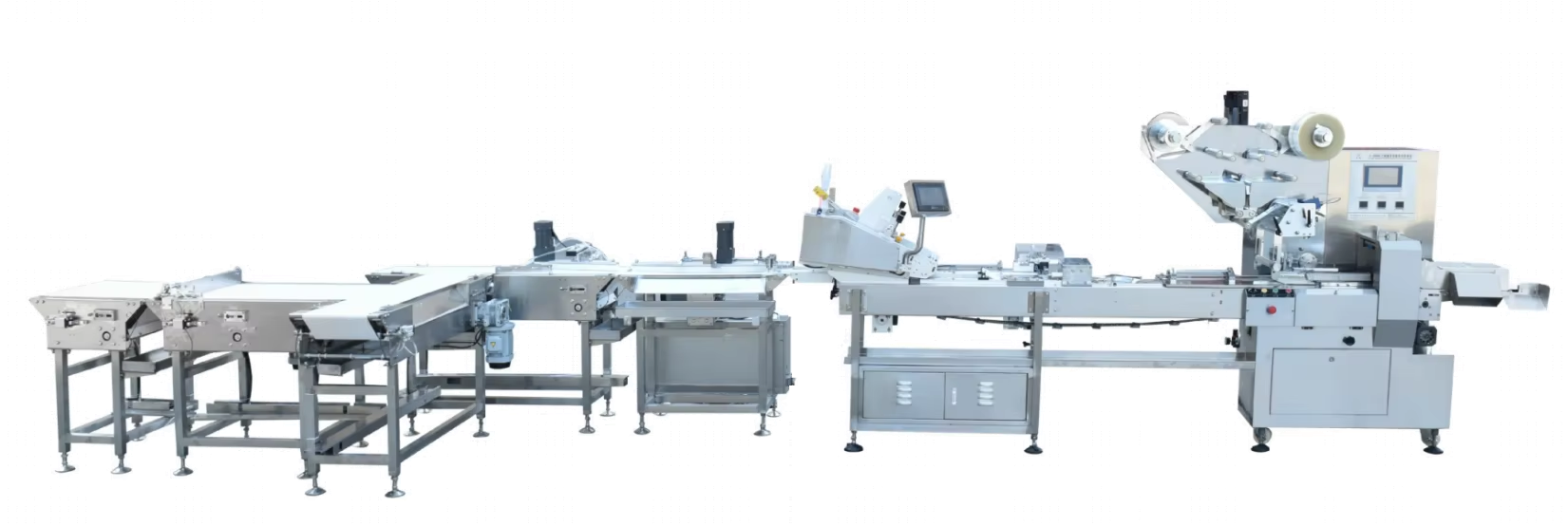
Compliance with global food safety standards (e.g., HACCP, BRCGS, FDA)
Packaging systems are engineered to comply with international standards such as HACCP (Hazard Analysis Critical Control Points), BRCGS, and FDA FSMA requirements. Automated traceability records every parameter—including seal temperature, batch ID, run time—generating audit-ready documentation. This eliminates manual errors and supports proactive risk management through:
- Continuous monitoring of critical control points
- Automated sanitation cycles between runs
- Use of materials compliant with FDA 21 CFR regulations
Embedding QA protocols into machine software ensures consistent compliance. Automation reduces non-compliance penalties by 84% and accelerates certification renewals for global market access.
| Standard | Primary Focus | Automation Enabler |
|---|---|---|
| HACCP | Hazard prevention | Real-time CCP monitoring sensors |
| BRCGS | Operational consistency | Automated sanitation logs |
| FDA FSMA | Preventive controls | Digital audit trails |
Solving Labor Challenges and Delivering Strong ROI
Reducing dependency on manual labor amid chronic shortages in confectionery manufacturing
The current manufacturing workforce gap is getting really bad these days, with reports showing around 77% of companies struggling to find skilled workers (ManpowerGroup 2023). This has created serious problems for candy makers who still rely on manual packaging processes. That's where automation comes in handy. Modern systems now feature those robotic arms that grab and place products, plus automatic cartoners that cut down on staff requirements by roughly 40% for each production line. What makes these setups so valuable is their ability to keep producing at steady rates even when demand spikes during holiday periods. Plus, the servo driven parts make switching between different products much easier, which means new operators don't need weeks of training before they can start contributing.
Calculating ROI: Payback periods, TCO, and long-term productivity gains
Automated packaging solutions typically deliver payback within 18–30 months through three key drivers:
- Labor reduction: Replacing five or more manual operators per shift
- Waste minimization: Achieving 15–30% less material waste via precise portion control
- Uptime optimization: Maintaining 95%+ operational availability using predictive maintenance
When assessing Total Cost of Ownership (TCO), automated lines offer 20–35% higher lifetime productivity than manual alternatives. Energy-efficient motors and modular designs further reduce operating costs and support scalable throughput expansion.
Advancing Sustainability and Innovation in Chocolate Packaging
Energy-efficient operation and reduced material waste through intelligent automation
The latest sensor tech combined with smart AI controls can slash energy use by around 30% when compared to older equipment. When it comes to film application and sealing processes, real time tweaks mean about 15 to 20% less wasted materials. Plus, better temperature management along with controlled conveyor speeds helps maintain product standards throughout production runs. These systems work great with thinner materials that can be recycled or will break down naturally too, all while keeping the same level of protection and production speed as before. With people wanting greener candy options growing at nearly 18% each year, having these features lets factories hit their environmental targets without slowing things down or losing out on volume capacity.
FAQ
What is the average speed of modern chocolate packaging machines?
The average chocolate packaging machine handles between 80 to 200 items per minute, making them highly efficient during busy seasons.
How do chocolate packaging machines ensure food safety?
These machines use precision sealing and temperature-controlled handling to prevent contamination. They also comply with international standards such as HACCP, BRCGS, and FDA requirements.
What are the benefits of using automated chocolate packaging machines?
Automated machines reduce dependency on manual labor, prevent contamination, and overall increase production efficiency, offering a strong ROI within a period of 18–30 months.