Product Overview
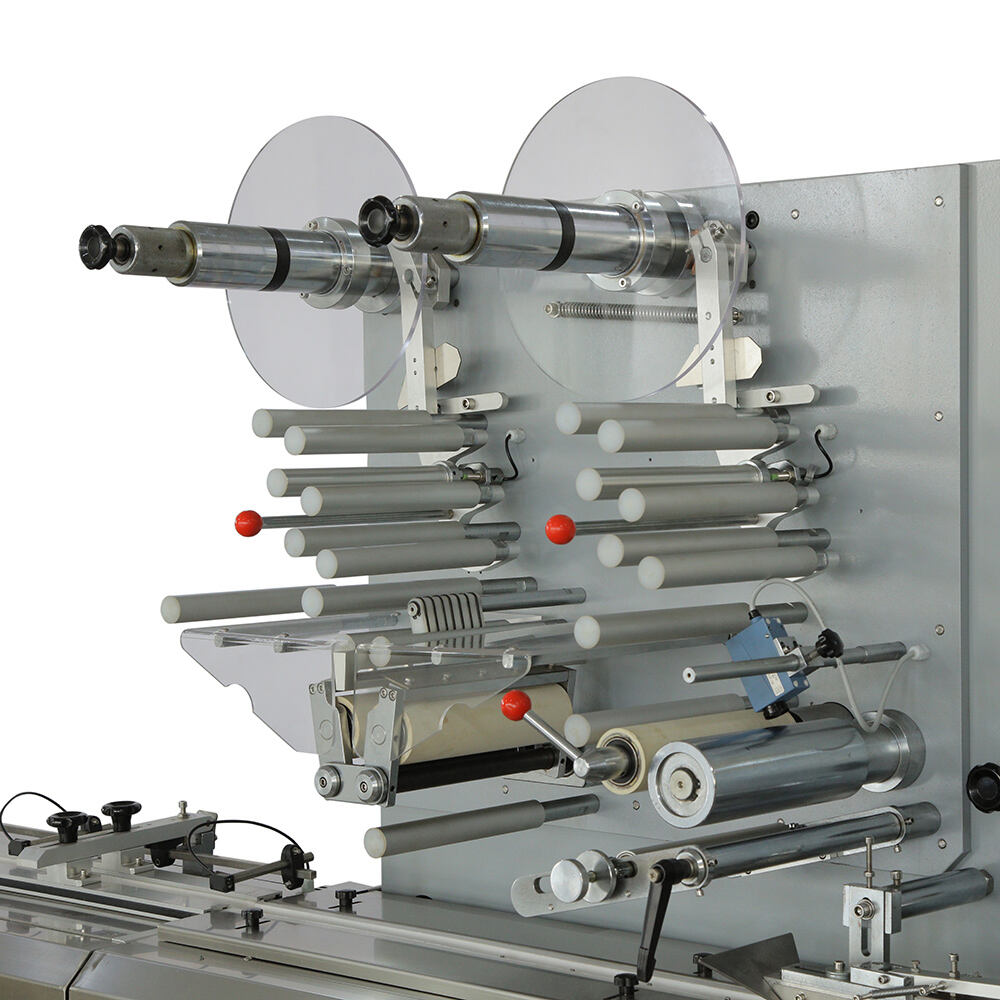
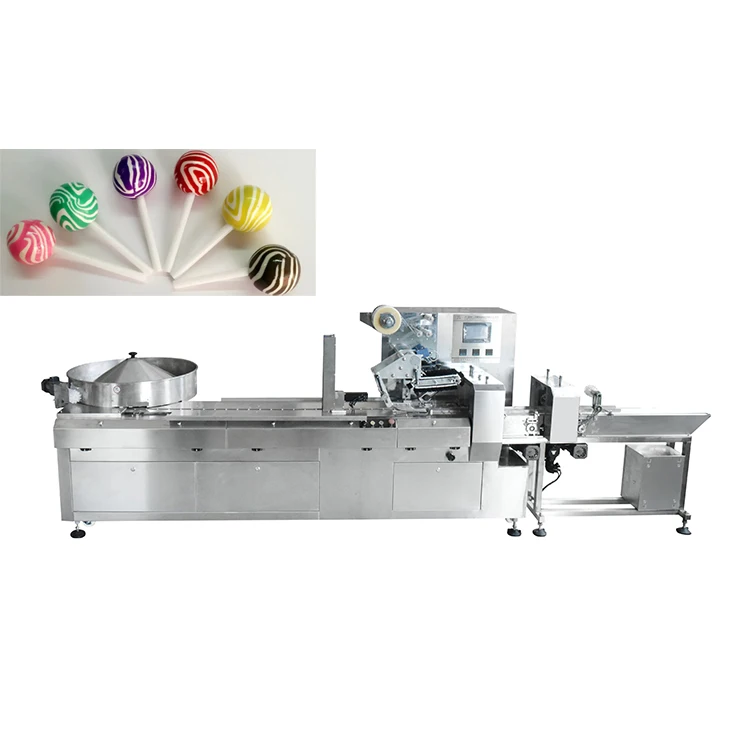
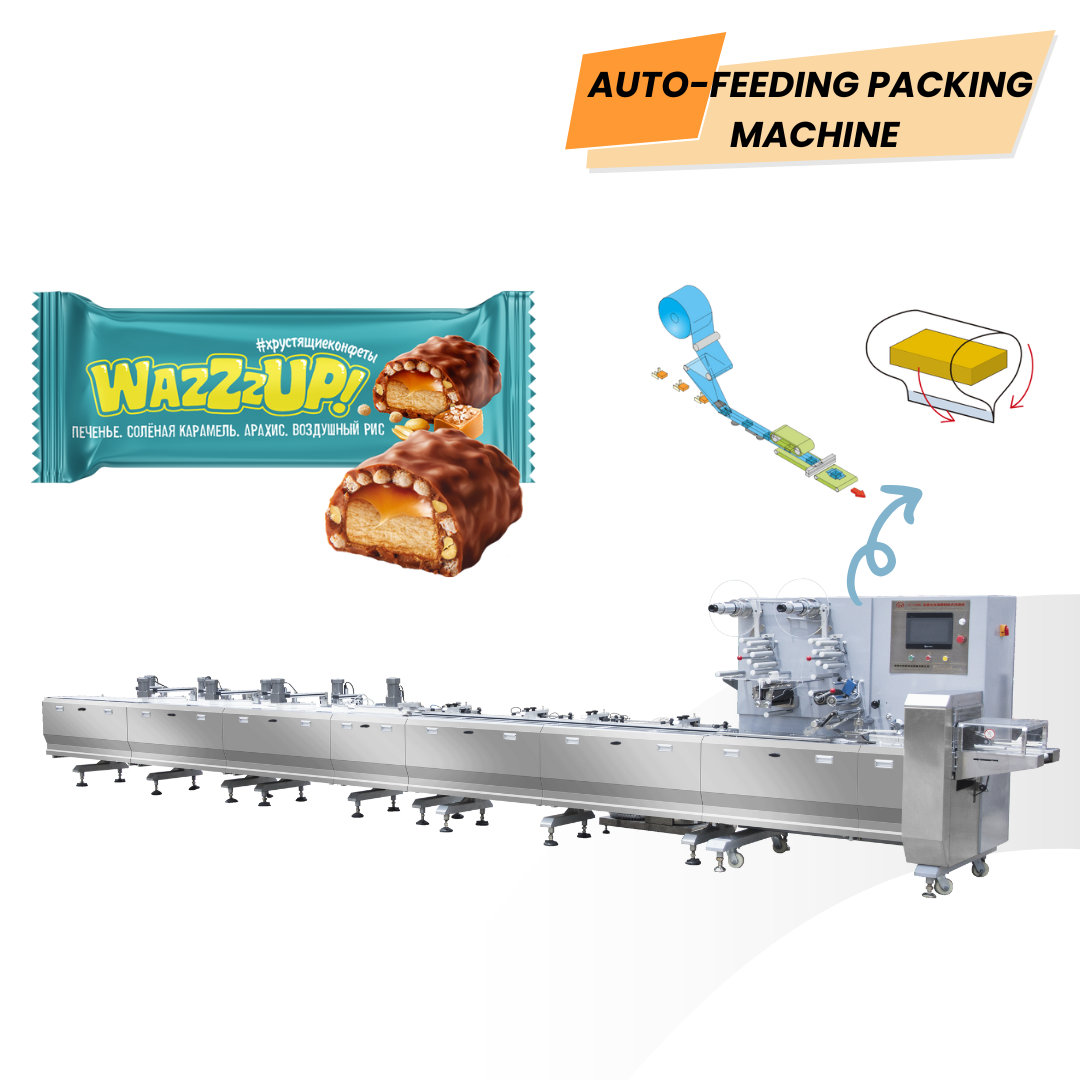
The Junyao JY-ZB2000C is a specialized pillow packaging machine engineered for chocolate products, protein bars, energy bars, and other heat-sensitive coated food items. Designed and built at Xingjunyao's 13,000 m² manufacturing center in Taizhou, Zhejiang, this machine addresses the most critical challenge in chocolate packaging: preventing product heat damage during the sealing process while maintaining hermetic seal quality. The JY-ZB2000C achieves this through a combination of precision temperature-controlled low-contact sealing, rapid jaw cycling that minimizes dwell time, and a gentle infeed system that preserves delicate surface coatings and decorative features.
Chocolate and protein bars share common packaging challenges despite their different compositions. Chocolate products — whether solid bars, filled bars, or coated confectionery — melt at temperatures as low as 28–32°C, well below the 120–180°C sealing jaw temperatures required for standard BOPP film sealing. Protein bars, while more thermally stable, have surface coatings (chocolate, yogurt, or compound coatings) that exhibit the same melt sensitivity. Both product categories also feature decorated surfaces — molded patterns, drizzled toppings, brand logos — that must arrive in retail packaging without smearing, scuffing, or deformation. The JY-ZB2000C is the only machine in Junyao's product line that combines all the features necessary to address these requirements: ultra-precise sealing temperature control, minimum-contact-time jaw design, gentle product handling throughout the film forming and sealing sequence, and nitrogen flush compatibility for shelf-life extension.
With a bag width range of 60 to 250 mm and packaging speeds from 50 to 400 packs per minute, the JY-ZB2000C is sized for medium to large bar products. Its 800 kg weight and compact 2,300 × 1,300 × 1,600 mm footprint make it suitable for production environments where floor space is at a premium. The machine's 4.0 KW power consumption reflects its energy-efficient design — a consideration for manufacturers running continuous multi-shift operations where cumulative energy costs become a significant factor in total cost of ownership.

Key Features
1. Precision Temperature-Controlled Low-Contact Sealing
The JY-ZB2000C's sealing system is specifically engineered for heat-sensitive products. Unlike standard flow wrappers that apply heated jaws with a dwell time of 80–150 milliseconds, the JY-ZB2000C uses a high-speed rotary jaw mechanism that achieves a contact time of just 15–25 milliseconds per seal — enough to fuse standard BOPP and CPP films but insufficient to transfer meaningful heat to the product inside the package. The jaw temperature is controlled by independent PID controllers with ±0.5°C accuracy, and each jaw face is profiled with a narrow, raised sealing land that concentrates heat and pressure on the film overlap area while maximizing the air gap between the heated jaw body and the package interior. For products with extreme heat sensitivity, the machine can be optioned with cooled jaw backing plates that further reduce radiant heat transfer to the product zone.
2. Gentle Product Handling for Coated and Decorated Items
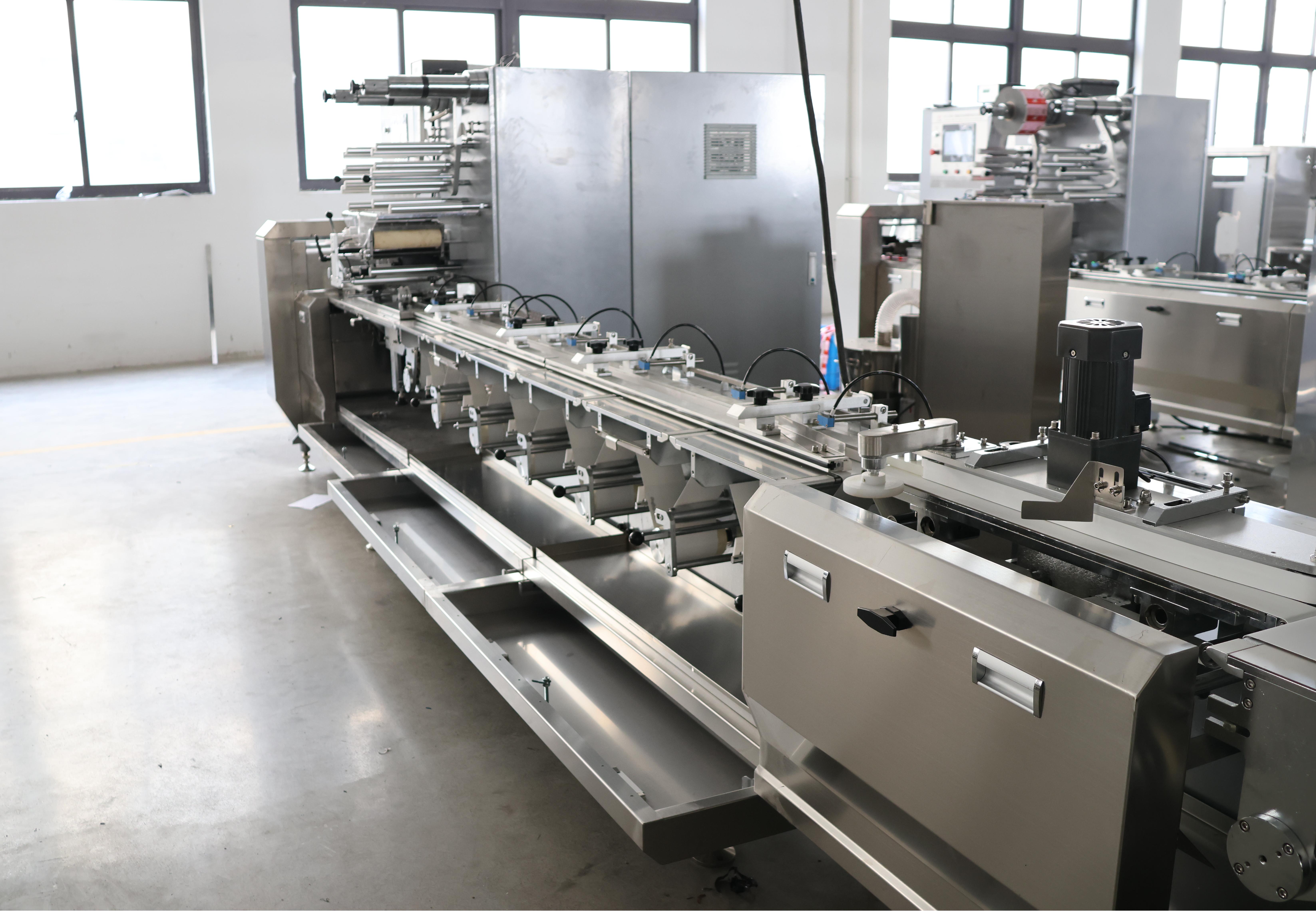
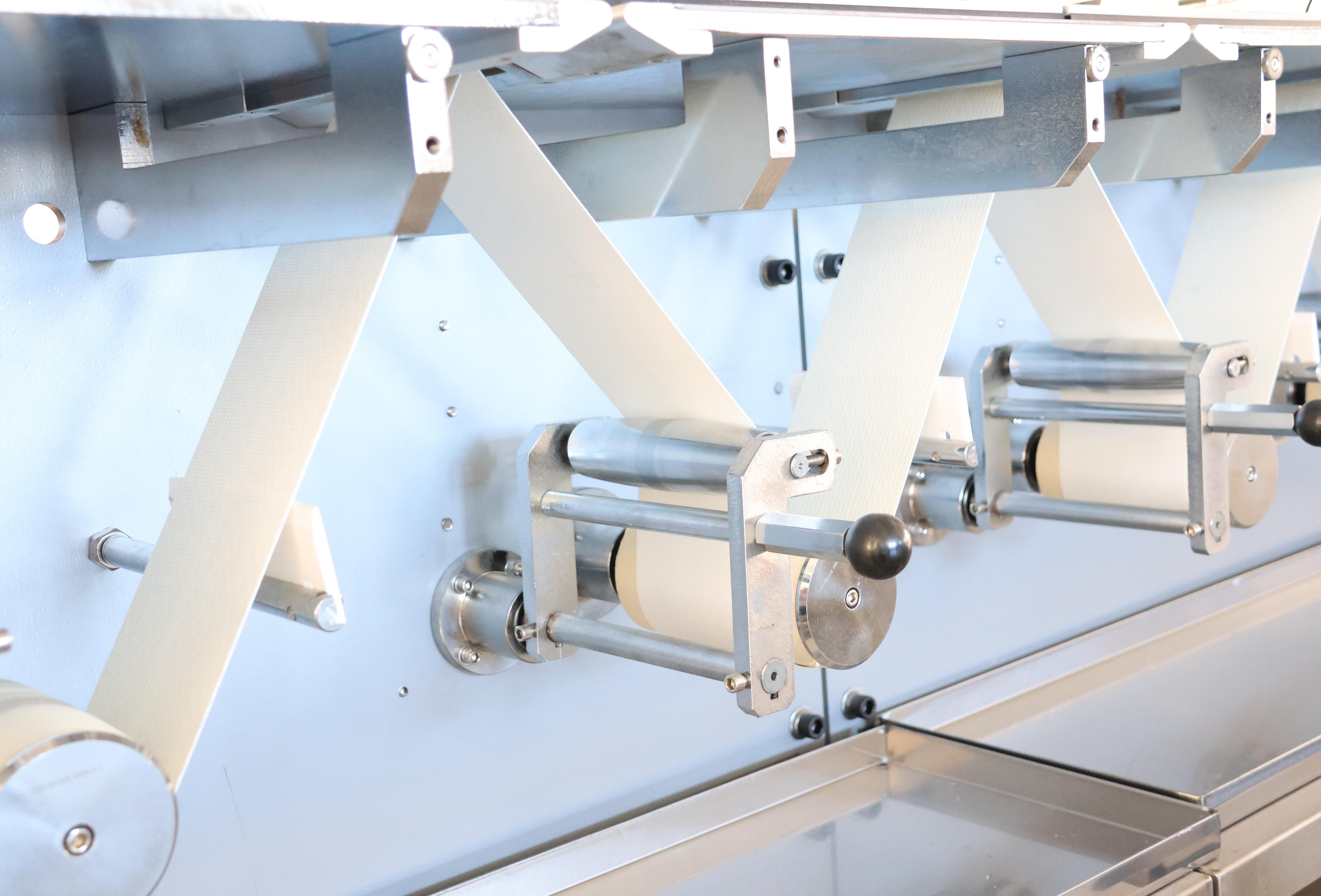
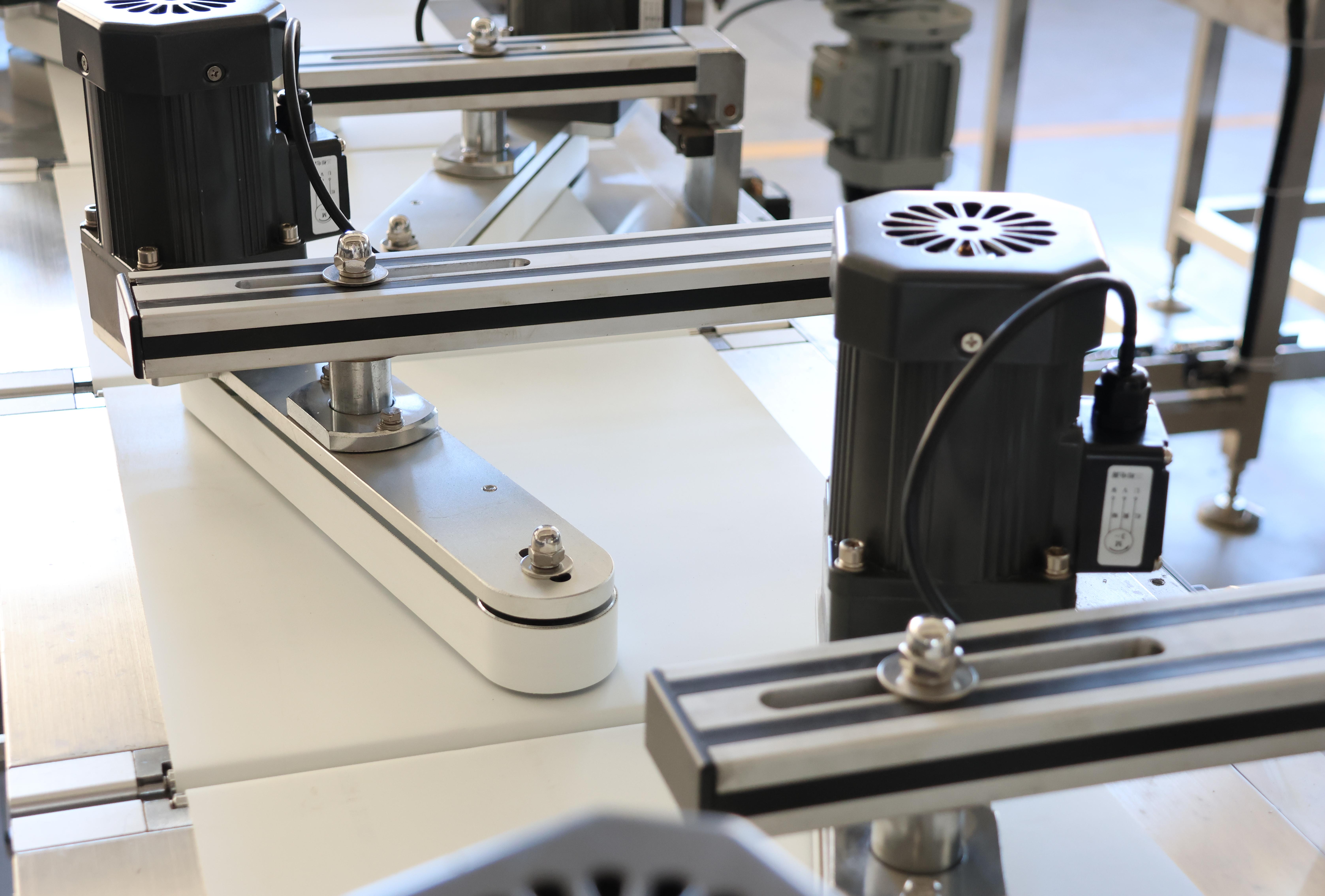
Chocolate bars with molded surface patterns, drizzled decorations, or printed logos require handling that preserves every visual detail. The JY-ZB2000C's infeed system uses wide, flat belt conveyors with low surface friction that eliminate the point-contact pressure of traditional lug-chain feeders. Product guide rails are lined with food-grade felt material that cushions lateral contact and absorbs the micro-vibrations that can cause surface scuffing on coated products. The film forming shoulder is polished to a mirror finish (Ra ≤ 0.2 μm) and features a gradual taper angle that minimizes the sliding distance and contact pressure as products enter the film tube — a design detail that prevents the faint drag marks sometimes visible on chocolate bar surfaces packaged by less sophisticated machines.
3. Nitrogen Flush Compatibility for Shelf-Life Extension
The JY-ZB2000C is designed with an integrated nitrogen flush gas injection port positioned at the forming tube entry. As the film forms around the product, a controlled flow of nitrogen displaces ambient air within the package, reducing residual oxygen levels below 1.0% — a critical threshold for preventing oxidative rancidity in chocolate products containing nuts, dairy fats, or unsaturated oils. The same nitrogen flush system benefits protein bars, where oxidation of proteins and fats can produce off-flavors and degrade nutritional labeling claims over shelf life. The gas flow rate is adjustable through the HMI and can be synchronized with the machine cycle to deliver a precise gas volume per pack, minimizing nitrogen consumption. The sealing system is designed to produce a hermetic seal that retains the modified atmosphere, with seal integrity verifiable through random sampling or optional in-line leak detection.
4. Wide Bag Format Range for Bar Products
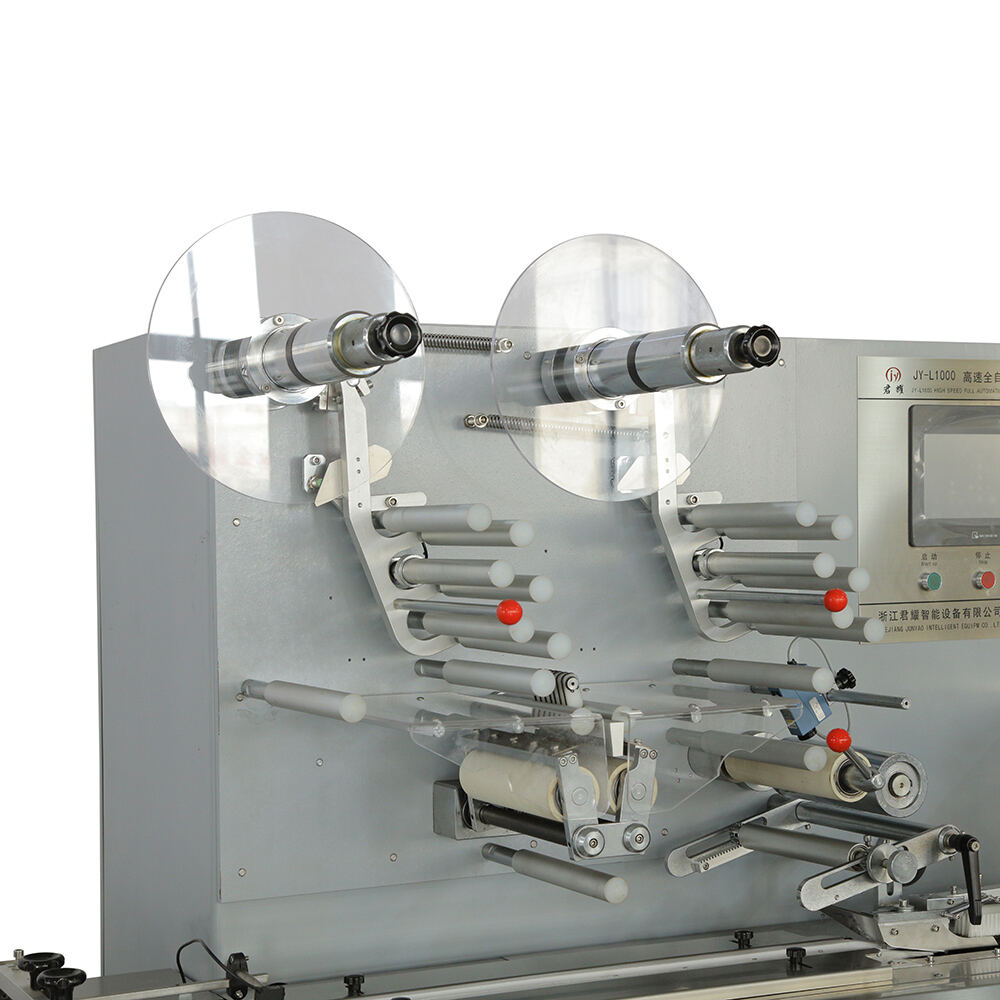
With a bag width range of 60 to 250 mm, the JY-ZB2000C accommodates the full spectrum of bar product dimensions — from slim 25-gram snack bars to large 100-gram family-size chocolate blocks. The bag length is adjustable from 80 to 400 mm, covering single-bar, twin-pack, and multi-bar family pack configurations. The forming tube and film carriage accept film widths up to 540 mm, supporting the wide-film requirements of large-format bars. The machine can produce both pillow packs (end seals on two sides) and gusseted packs (with expandable side folds) through a simple tooling change, providing packaging format flexibility that supports different retail channel requirements — pillow packs for vending and counter display, gusseted packs for shelf standing in supermarket aisles.
5. 3-Servo Drive with Low-Speed Stability
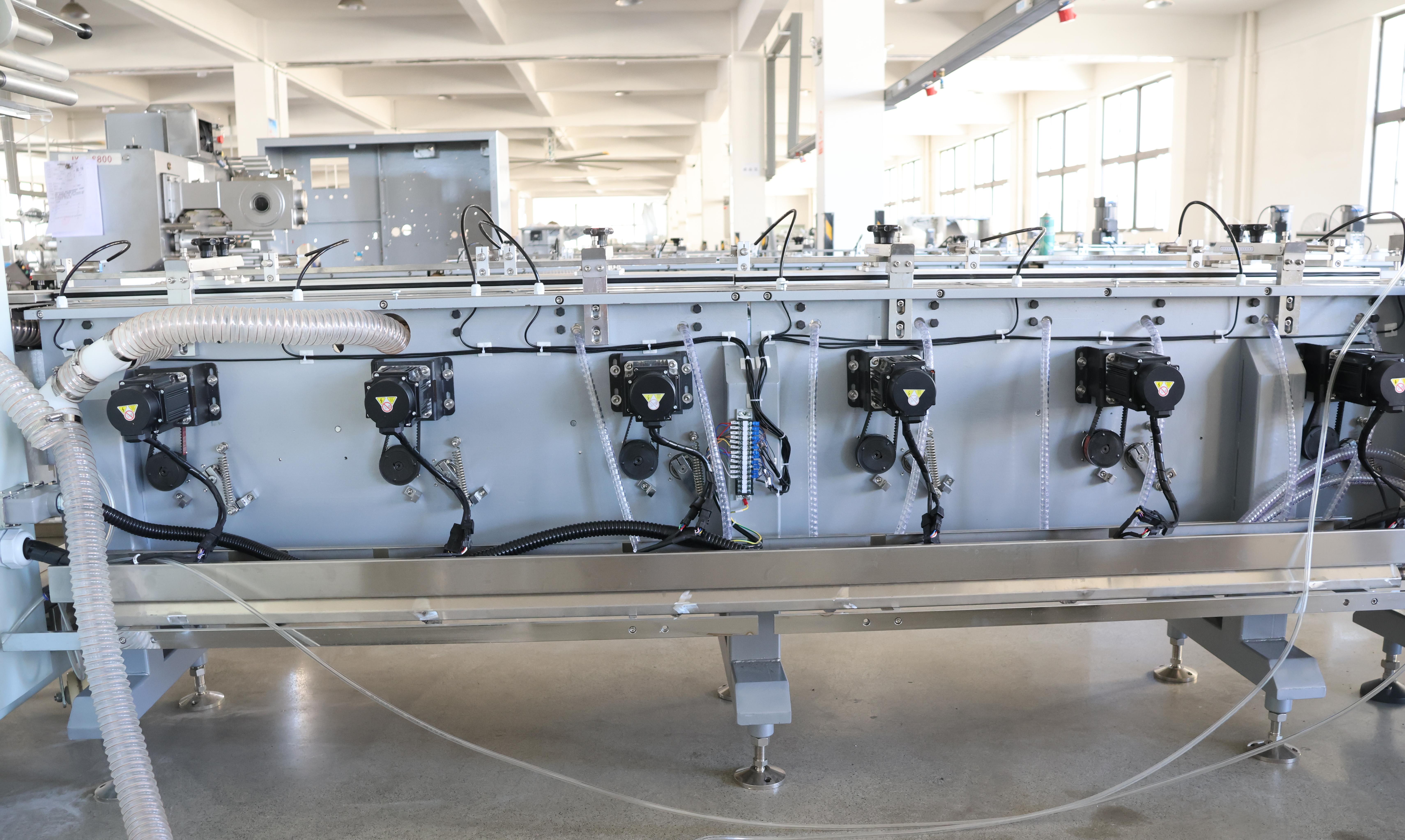
While capable of 400 PPM at maximum speed, the JY-ZB2000C is engineered for stable operation across its entire speed range — including the 50–150 PPM range commonly used for larger bar products where higher speeds are limited not by the machine but by upstream production rates. The 3-servo system maintains synchronization accuracy within ±0.4 mm even at the lowest operating speeds, a capability that lesser drive systems often struggle with due to cogging torque effects at low RPM. This full-range stability ensures that manufacturers are not forced to run the machine faster than their production process can support simply to maintain packaging quality — a common issue with machines optimized exclusively for high-speed operation.
6. Energy-Efficient Operation and CE Compliance
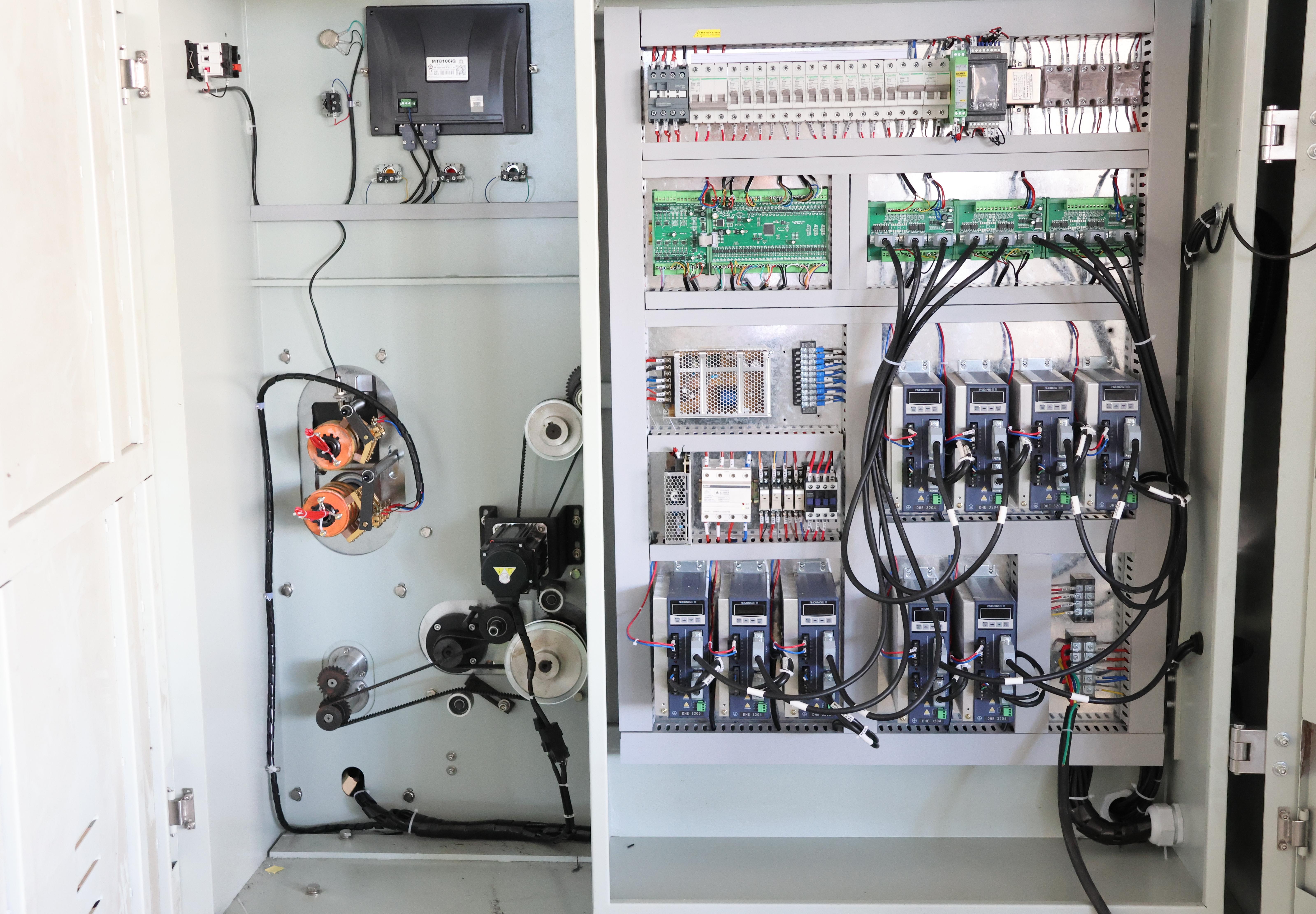
At 4.0 KW rated power consumption, the JY-ZB2000C is one of the most energy-efficient machines in its class — a deliberate design choice reflecting the operating economics of bar product manufacturers who typically run continuous multi-shift production. The servo motors incorporate regenerative braking that feeds energy back into the DC bus during deceleration phases, reducing net power draw. The sealing jaw heaters use pulse-width modulation control that maintains temperature setpoints with minimal energy input once operating temperature is reached. The machine's 304 stainless steel frame and IP54-rated electrical enclosures meet CE requirements for food processing environments, and the complete technical documentation package supports customer regulatory compliance in destination markets.

Technical Specifications
| Parameter |
Specification |
| Model |
JY-ZB2000C |
| Packaging Speed |
50 – 400 packs per minute |
| Bag Width Range |
60 – 250 mm |
| Bag Length Range |
80 – 400 mm (adjustable) |
| Film Width (Max) |
540 mm |
| Power Supply |
380V / 50Hz, 3-phase (customizable) |
| Power Consumption |
4.0 KW |
| Drive System |
3-servo (film feed, longitudinal seal, transverse seal/cut) with regenerative braking |
| Sealing Type |
High-speed rotary jaw, low-contact (15–25 ms dwell), pillow pack or gusseted |
| Sealing Temperature Control |
Independent PID per jaw, ±0.5°C accuracy, 80–200°C range |
| Nitrogen Flush System |
Integrated gas injection port, adjustable flow rate, residual O2 < 1.0% |
| Infeed System |
Flat belt conveyor with felt-lined guide rails, adjustable lane width |
| Forming Shoulder Finish |
Mirror polished, Ra ≤ 0.2 μm |
| Film Material Compatibility |
BOPP, CPP, PE, metallized film, cold-seal, laminated composite, high-barrier |
| Machine Weight |
800 KG |
| Machine Dimensions (L×W×H) |
2,300 × 1,300 × 1,600 mm |
| Frame Material |
304 stainless steel, IP54 electrical enclosures |
| Control System |
PLC + 7-inch color HMI touch screen |
| Product Recipe Storage |
Up to 50 presets including nitrogen flush parameters |
| Language Support |
English, Chinese, Spanish, French, Arabic, Russian |
| Certification |
CE |
| Optional Features |
Auto film splicer, date coder, hole punch, gusset device, remote access module, cooled jaw backing plates, in-line seal leak detection, gas flow meter with data logging, extended infeed conveyor |

Applications
The JY-ZB2000C is engineered for food products where thermal sensitivity, surface integrity, and shelf-life extension are primary packaging requirements. Its design reflects a deep understanding of the particular challenges presented by chocolate, protein bars, and similar coated food items.
Chocolate Bars and Blocks: Solid chocolate bars — from plain dark chocolate to milk chocolate with inclusions (nuts, fruit, crisps) — are the JY-ZB2000C's core application. The ultra-short sealing contact time prevents the surface melt marks that are the most common quality complaint in mechanically packaged chocolate. The nitrogen flush option extends shelf life by suppressing fat bloom and oxidative rancidity, particularly important for chocolate products destined for warm-climate export markets where ambient distribution temperatures accelerate these degradation mechanisms. The gentle infeed handling preserves the glossy surface finish that consumers associate with premium chocolate quality.
Filled and Decorated Chocolate Products: Liquid-filled chocolate bars, praline-filled tablets, and chocolate products with surface decorations (drizzled contrasting chocolate, sprinkled toppings, embossed logos) are among the most challenging items to package automatically. The JY-ZB2000C's felt-lined guides, flat belt feeding, and film forming shoulder with mirror polish work together to move these products into and through the wrapping station without disturbing their delicate features. The machine can be configured with an oversized bag format that provides additional clearance around decorated products, further reducing the risk of surface contact during package transit.
Protein Bars, Energy Bars, and Nutrition Bars: The protein bar category has grown rapidly across global markets, bringing with it specific packaging requirements. Protein bars typically have surface coatings (chocolate, yogurt, or compound) that are prone to melt marking, and the bars themselves can exhibit dimensional variability due to variations in ingredient mixing and forming. The JY-ZB2000C's temperature-controlled sealing and spring-loaded guide rails address both concerns. The nitrogen flush capability is particularly valuable for high-protein formulations where oxidative degradation can affect both taste and the validity of nutritional label claims over the product's stated shelf life.
Coated Snack and Cereal Bars: Muesli bars, granola bars, and cereal bars with chocolate or yogurt bases share the same thermal sensitivity as pure chocolate products but add the complexity of particulate ingredients that can detach and contaminate the sealing area. The JY-ZB2000C's infeed design includes a product-conditioning zone with gentle vibration that settles loose particles before the bar enters the film forming area. The narrow, raised sealing land on the jaws is less susceptible to particulate interference than full-face jaw designs, maintaining seal quality even in the presence of occasional loose oat flakes or nut fragments.

Manufacturing and Quality Assurance
JY-ZB2000C production at Xingjunyao's Taizhou facility follows a rigorous quality protocol that reflects the machine's specialization in premium product packaging. Incoming servo motors are tested on a dynamometer to verify torque-speed curves and encoder resolution before acceptance. Sealing jaw assemblies undergo a thermal imaging validation step where an infrared camera maps the temperature distribution across each jaw face, confirming that the heated sealing land reaches uniform temperature (±1°C across the entire land surface) — a critical requirement for consistent seal quality. The nitrogen flush gas path is pressure-tested at 200% of maximum operating pressure to verify leak-tight integrity of all fittings, tubing, and the injection port assembly.
The final acceptance test for each JY-ZB2000C is designed to replicate real-world production conditions. The machine runs a minimum 4-hour continuous test with actual chocolate or protein bar products — customer-supplied samples whenever possible. During this test, seal integrity is verified at 30-minute intervals using a vacuum leak tester, and packaged product samples are inspected under magnification for any surface marking or melt evidence. Temperature data from the sealing jaws is logged at 1-second intervals throughout the test, and the nitrogen flush system's residual oxygen levels are verified using a calibrated oxygen analyzer. Only machines that demonstrate zero melt-related defects and 100% seal integrity are approved for crating. As with all Junyao machines, a comprehensive quality documentation package accompanies each unit.
Frequently Asked Questions
Q: How does the JY-ZB2000C prevent chocolate from melting during packaging?
The machine uses three complementary techniques. First, the high-speed rotary jaw mechanism limits seal contact time to 15–25 milliseconds — only a fraction of the time required for heat to conduct through the film and into the product. Second, the PID temperature controllers maintain jaw temperature within ±0.5°C of setpoint, preventing temperature overshoot that could cause localized melting. Third, the narrow raised sealing land concentrates heat on the film overlap area while maintaining an air gap between the heated jaw body and the package interior. For extreme heat sensitivity, optional cooled jaw backing plates provide an additional heat barrier. In validation testing, chocolate bars packaged on the JY-ZB2000C showed zero surface melt evidence after continuous operation at ambient temperatures up to 28°C.
Q: What nitrogen purity and consumption rate are required for the gas flush system?
The nitrogen flush system is designed to operate with standard food-grade nitrogen at 99.0% purity or higher, supplied at 4–6 bar pressure. Gas consumption varies with bag size and machine speed, but typical consumption ranges from 0.5 to 2.0 cubic meters per hour at standard temperature and pressure for most bar product applications. The gas flow rate is adjustable through the HMI and can be optimized during commissioning to achieve the target residual oxygen level with minimum gas usage. Junyao recommends that customers install a flow meter and pressure regulator upstream of the machine connection point. If the customer's facility does not have a bulk nitrogen supply, Junyao can advise on suitable nitrogen generator or cylinder supply options.
Q: Can the JY-ZB2000C package products without nitrogen flush?
Yes. The nitrogen flush system is an integrated feature that can be enabled or disabled through the HMI. When disabled, the machine operates as a standard pillow pack wrapper with all the same temperature-controlled sealing and gentle handling features. Gas is simply not supplied to the injection port, and the machine functions identically in all other respects. This allows manufacturers to reserve nitrogen flush for products and markets where shelf-life extension justifies the additional gas cost, while using standard air packaging for shorter-shelf-life products or domestic distribution channels.
Q: What is the acceptable ambient temperature range for operating the JY-ZB2000C?
The JY-ZB2000C is rated for operation in ambient temperatures from 5°C to 32°C. For chocolate products, the practical upper limit is typically 28°C — above this temperature, even brief exposure during packaging may cause surface softening regardless of the machine's sealing technology. Junyao strongly recommends that chocolate packaging lines be operated in air-conditioned environments maintained at 18–22°C for optimal results. In tropical or subtropical locations, production areas should be equipped with adequate climate control. The machine's own electronics are rated for operation up to 40°C ambient, so the 32°C limit is driven by typical product requirements rather than machine capability. For customers in hot climates, Junyao can supply the optional cooled jaw backing plates and recommend supplementary cooling solutions for the product infeed area.
Q: How is the machine cleaned between different chocolate product runs to prevent cross-contamination?
The JY-ZB2000C is designed for efficient cleaning between product runs. The flat belt infeed conveyor has a quick-release tension mechanism that allows the belt to be loosened for underside cleaning or removed entirely in under 5 minutes. The film forming shoulder and tube are accessible from the operator side without removing guarding. Guide rails detach via hand knobs — no tools required. All product-contact surfaces (guides, belt, forming tube) are stainless steel or food-grade felt, compatible with standard food-industry cleaning agents. For allergen changeovers (e.g., switching between nut-containing and nut-free chocolate bars), Junyao recommends a documented cleaning procedure that includes disassembly of the guide rail system and forming tube for full-access cleaning. A second set of guide rails dedicated to allergen-free production is a popular option among customers with both product types.