
 EN
EN
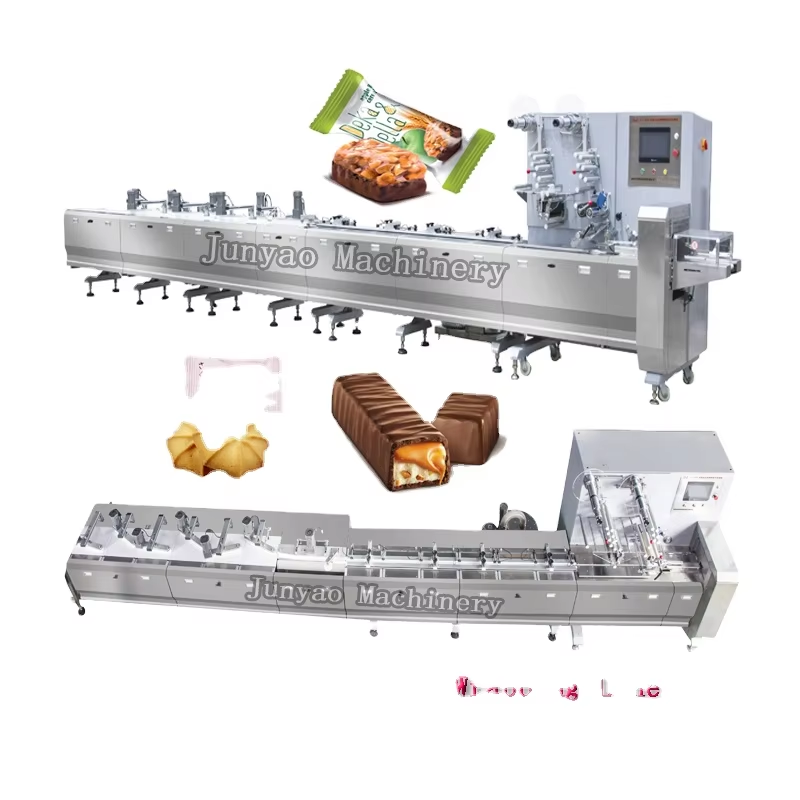
Core Functionality of a Chocolate Packaging Machine
Definition and Core Principles of Chocolate Packaging Machines
Chocolate packaging machines handle the wrapping and sealing process for candy products through precise mechanical design. They gently move chocolates along the production line so nothing gets damaged, all while keeping up with fast manufacturing speeds. What makes these systems work well? First, they maintain clean contact with food materials throughout the process. Second, they create strong seals that keep chocolates fresh longer. And third, most modern machines can handle different types of chocolate bars, truffles, or whatever shape comes down the conveyor belt. When manufacturers cut back on hands-on packing tasks, they not only lower chances of product contamination but also save money on staffing expenses. Some top-end models can crank out around 200 wrapped chocolates every single minute. Behind all this efficiency lies something called programmable logic controllers or PLCs for short. These smart control systems constantly tweak things like heat levels, timing sequences, and moving parts to get the best possible results from each machine cycle.
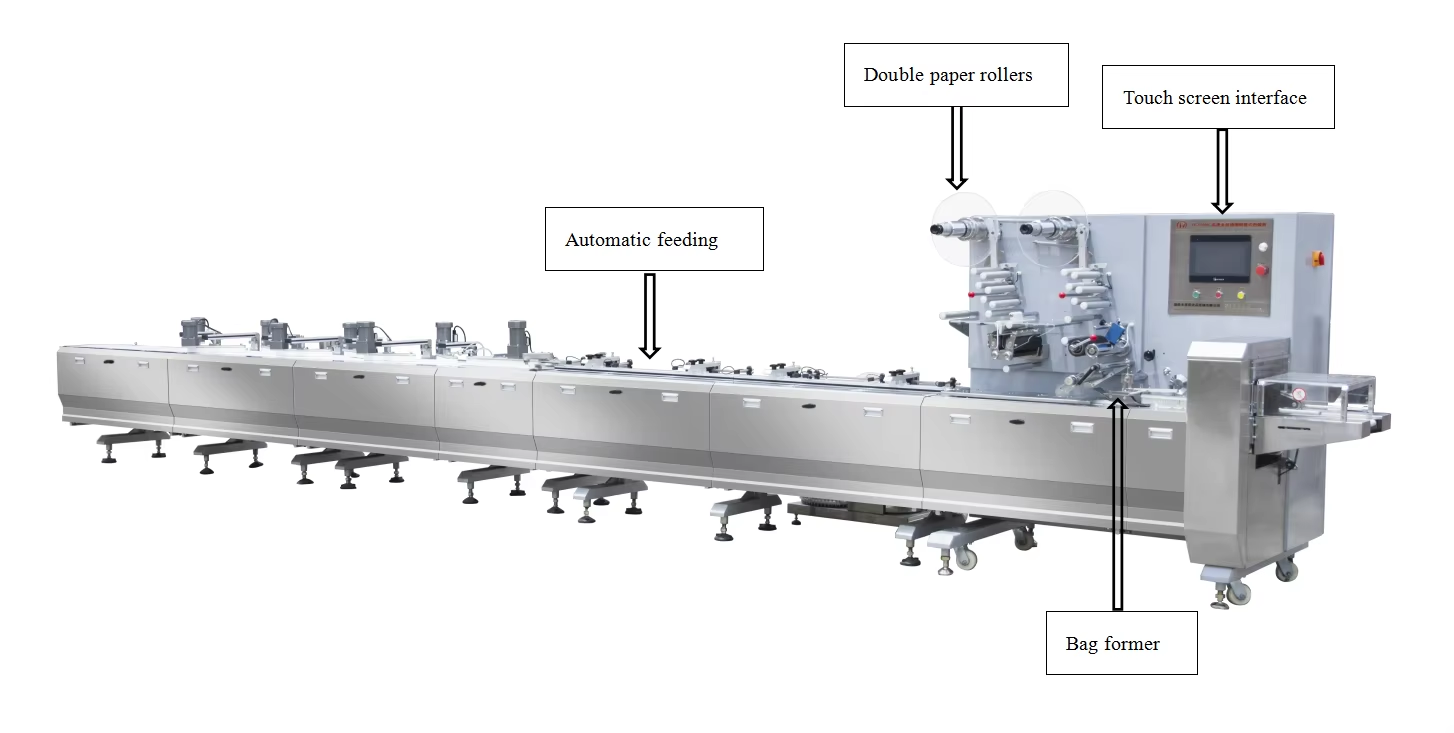
Key Components: Feed System, Wrapping Unit, Sealing Mechanism, and Conveyor
Four integrated subsystems work in harmony to ensure reliable operation:
- Feed System: Aligns chocolates in single file using vibratory trays or conveyor belts
- Wrapping Unit: Forms packaging film around products via folding collars or rotary formers
- Sealing Mechanism: Applies heat and pressure to create airtight longitudinal and cross seals with ±0.5mm precision
- Conveyor Network: Transports products between stages at synchronized speeds
The control panel continuously monitors critical variables such as film tension and sealing temperature, enabling real-time adjustments. This coordination ensures minimal waste and consistent packaging quality across formats—from truffles to chocolate bars.
Step-by-Step Operation Flow of a Chocolate Foil Wrapping Machine
From Infeed to Final Wrap: The Integrated Packaging Sequence
At the start of the line, chocolates get lined up properly on a moving belt. The packaging material comes off big rolls and goes through some special rollers that keep it tight just right. These rollers shape the foil into a tube around each chocolate as it moves along. When the sweets continue down the line, heat elements around 120 to maybe 150 degrees Celsius create those long seals running down the sides. Then comes the part where everything gets sealed across and cut at once, turning the long sheet into separate little packages. After this, the finished chocolates drop out ready for checking by quality control folks. The whole setup runs pretty fast actually, hitting around 300 pieces every minute. Since everything happens automatically without much human touch, there's better hygiene maintained throughout production too.
Critical Process Factors: Temperature Control, Material Tension, and Seal Integrity
Three key factors determine packaging success:
- Temperature control: Sealing jaws must maintain ±5°C accuracy—insufficient heat leads to weak seals, while excessive heat can damage the foil or melt the chocolate.
- Material tension: Sensors regulate foil tension in real time; slack causes wrinkles, while over-tension increases the risk of tearing.
- Seal integrity: Pressure-regulated sealing jaws ensure hermetic closures, with leak test results showing less than 0.1% failure under optimal conditions.
Operators manage these parameters through intuitive touchscreen HMIs (Human-Machine Interfaces), which trigger automatic shutdowns if conditions exceed preset tolerances. Consistent airflow is also maintained to prevent static buildup, which can disrupt foil handling during high-speed runs.
Flow Wrapper Technology for Chocolate Bars: Speed, Precision, and Adaptability
How Flow Wrappers Optimize High-Volume Chocolate Packaging
Flow wrapper technology enhances chocolate packaging machines by combining high-speed operation with precision and material flexibility. Modern units can wrap up to 2,100 small chocolate bars per minute—significantly surpassing manual or semi-automated methods (Packaging Efficiency Report 2023). Key advantages include:
- High-speed throughput: Continuous film feeding and synchronized sealing enable output rates of up to 200 packages per minute, tripling production capacity while ensuring consistent pillow-pack quality.
- Precision preservation: Tight control over sealing temperature and film tension minimizes air exposure, helping extend shelf life and maintain product freshness.
- Material versatility: Adjustable systems handle foil laminates, bioplastics, and paper-based films without requiring downtime, reducing material waste by 18% (Sustainable Packaging Journal 2023).
- Format flexibility: Quick-change tooling allows rapid adaptation to different bar sizes and shapes in minutes, supporting seasonal or limited-edition product lines.
This blend of speed, accuracy, and adaptability makes flow wrappers essential for meeting large-scale demand while delivering retail-ready packaging.
Industrial Integration and Real-World Applications
Automation Synergy: Robotic Loading, Vision Inspection, and Line Synchronization
Chocolate packaging operations today hit top speeds when they bring automation into the mix properly. Robots handle placing chocolates on conveyor belts with amazing precision, which cuts down on all those little errors that happen when people do the job manually. Vision systems check each piece at a rate of around 200 per minute, powered by smart algorithms that spot problems like crooked wrappers or broken seals. Everything works together because these inspection systems talk directly to the PLC controllers, so wrapping, labeling, and packing happen smoothly without hiccups. Companies see real savings too - about 40% less money spent on labor and nearly perfect packaging accuracy at 99.5%. Big manufacturers especially benefit since downtime becomes much less frequent. Think about it: each stoppage costs roughly $740k according to Ponemon's research from last year. Plus, these automated lines can scale up production easily, handling anywhere between 1,000 and 20,000 units every hour depending on what the market needs during different seasons.
Innovation Trends in Chocolate Packaging Machinery
Smart Controls, IoT Monitoring, and Predictive Maintenance
Modern chocolate packaging equipment now incorporates Industry 4.0 tech like IoT sensors and cloud analytics systems that keep tabs on various operational stats in real time. Think things like motor temps, sealing pressures, and how long each wrapping cycle takes. What makes this interesting is that these monitoring capabilities send out early warning signals when parts might be about to fail, so technicians can fix problems before they cause major shutdowns. Operators can tweak wrapping settings from anywhere via smart control interfaces, which cuts down unexpected stoppages somewhere between 15% to maybe even 30%, based on what some recent automation research shows. Beyond just preventing breakdowns, all this connectedness helps factories fine tune their energy usage and track exactly how much material gets used throughout whole production runs, leading to better efficiency overall.
Sustainable Materials Compatibility and Custom Format Flexibility
Green-friendly machine designs are really taking off these days. Manufacturers have developed equipment capable of running on biodegradable plastic films, recycled cardboard stock, and those new plant based wrapper materials without slowing down production lines or compromising product quality. The latest tension control tech keeps everything running smoothly even when dealing with the delicate stuff that comes from sustainable sources. Most modern packaging machines use modular components which means switching formats takes less than five minutes total. Operators can go from making regular truffles to special shaped novelty bars in practically no time at all. This kind of flexibility meets market demands for seasonal limited runs while helping companies cut down on material waste across their operations. Better resource management is becoming standard practice as brands look to reduce environmental impact without hurting bottom line profits.
Frequently Asked Questions
What is the key role of a chocolate packaging machine?
Chocolate packaging machines are designed to wrap and seal candy products efficiently. They ensure the protection and freshness of chocolates while minimizing human contact, which reduces contamination risks and labor costs.
How do programmable logic controllers (PLCs) aid in chocolate packaging?
PLCs in chocolate packaging machines continuously adjust factors like heat, timing, and motion to optimize each cycle. This automation boosts efficiency and ensures consistent results.
What makes flow wrapper technology ideal for chocolate bars?
Flow wrappers are preferred for high-volume chocolate packaging due to their speed, precision, and adaptability in handling various packaging materials while maintaining product freshness and quality.
How does automation benefit chocolate packaging processes?
Automation, including robotic loading and vision inspection, reduces errors and labor costs while enhancing accuracy and efficiency in chocolate packaging.
What are the current innovation trends in chocolate packaging machine?
Modern trends include the integration of smart controls, IoT monitoring, and sustainable materials. These advancements improve efficiency, reduce downtime, and enable eco-friendly production practices.
Table of Contents
- Core Functionality of a Chocolate Packaging Machine
- Step-by-Step Operation Flow of a Chocolate Foil Wrapping Machine
- Flow Wrapper Technology for Chocolate Bars: Speed, Precision, and Adaptability
- Industrial Integration and Real-World Applications
- Innovation Trends in Chocolate Packaging Machinery
-
Frequently Asked Questions
- What is the key role of a chocolate packaging machine?
- How do programmable logic controllers (PLCs) aid in chocolate packaging?
- What makes flow wrapper technology ideal for chocolate bars?
- How does automation benefit chocolate packaging processes?
- What are the current innovation trends in chocolate packaging machine?