
 EN
EN
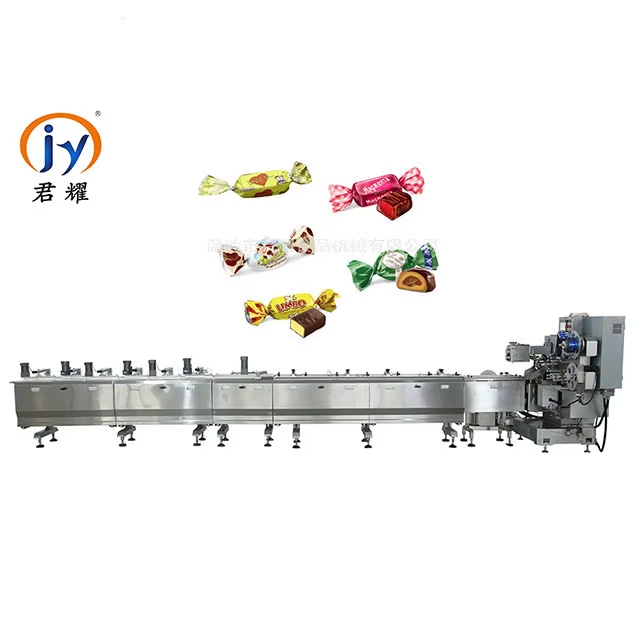
Biodegradable Material Compatibility in Chocolate Packaging Machines
Integration of biodegradable and compostable materials in modern chocolate packaging machine operations
Chocolate packaging equipment these days is getting better at handling eco-friendly materials. Many machines can work with biodegradable films made from plant sources such as bio-PLA or cellulose esters that actually qualify under EN 13432 industrial composting standards. What makes these materials special is how they still protect chocolate from moisture and oxygen exposure, which means the product stays fresh longer and maintains its taste and texture on store shelves. Big name manufacturers have started designing their machines with specific components for working with heat sensitive bio plastics. Their sealing jaws, forming shoulders, and film handling systems all need adjustments when switching to these greener alternatives while keeping production speeds around 1200 units per minute intact. For companies looking to go green but not sacrifice efficiency, third party certifications like OK Compost INDUSTRIAL become really important since they confirm whether these new materials will actually work with existing automated feeding systems, tension controls, and those fast cutting mechanisms that keep lines running smoothly.
How eco-friendly materials adoption reduces long-term environmental impact
Certified compostable packaging cuts down what ends up in landfills by about 90% when compared to regular plastic stuff, according to those lifecycle studies from TÜV Austria. When tossed into proper commercial composting setups, these eco-friendly materials break down completely in just 12 weeks instead of hanging around for hundreds of years like old fashioned plastics do. Making bio-PLA films takes roughly two thirds less energy than producing standard laminates too, which means fewer greenhouse gases before even reaching store shelves. What's really interesting is how modern machinery has been engineered so precisely that we waste far less material during production. The machines create consistent seals and manage film thickness better, cutting carbon footprints by as much as 40% throughout the whole life of each package.
Case study: Bio-based films in confectionery packaging
One major Chinese factory recently switched to using cellulose based films on their fast moving flow wrapping lines. The new packaging breaks down completely in nature but still keeps almost all products intact during shipping, with only 0.3% damage reported. They had to modify their chocolate wrappers though, adding special tension adjustments and lower heat settings since these films stretch differently than regular plastic. This helped cut down on broken packages by nearly four out of five cases. After just over a year and a half, the change kept 320 tons of plastic trash from going into landfills every year, which got them certified as zero waste to landfill. What's interesting is that they didn't slow down production at all, still making 2,500 chocolate bars per minute. Shows that going green doesn't have to mean cutting back on what gets produced.
Energy Efficiency and Smart Automation in Chocolate Packaging Machines
Real-time optimization and smart sensors for energy and waste reduction
The latest chocolate packaging systems now come packed with IoT and AI features that let them tweak their operation as conditions change in real time. These smart sensors keep tabs on everything from temperature fluctuations to how fast the production line is running, plus they watch for any issues with the wrapping film tension. When something goes off track, the machine makes adjustments automatically, cutting down on those annoying instances where things get over processed just because someone forgot to recalibrate manually. Take idle mode activation for instance - this feature alone can slash motor runtime by around 40%. And when it comes to keeping packages aligned properly, the vision guidance system really shines, reducing those frustrating misfeeds and scraps by more than a third. The thermal controls are pretty impressive too. They maintain solid seals throughout the process but somehow manage to use about 15% less film material. That means lower energy bills and less waste going into landfills, all without slowing down production speeds or compromising the quality of the finished product.
Measurable energy savings: Data showing up to 30% lower power consumption in modern machines
Contemporary chocolate packaging machines achieve substantial energy reductions through advanced drive systems and servo-motor technology. Industry benchmarks (2024) confirm 28–30% lower power consumption per production hour versus legacy equipment, enabled by:
- Regenerative braking that converts kinetic energy into reusable electricity
- Demand-based pneumatic compressor activation
- Sleep-mode activation during stoppages ¤3 minutes
These efficiencies yield approximately $18,000 in annual utility savings per machine for medium-scale producers—and reduce associated carbon emissions by 19 metric tons yearly.
Waste Minimization and Carbon Footprint Reduction
Precision engineering in chocolate packaging machines cuts material overuse and production scrap
Advanced engineering cuts waste throughout the production line. Servo driven cutters give us just the right amount of film needed, while smart algorithms help reduce those annoying trim losses when wrapping happens. The weight sensors are pretty accurate too, making sure we get exactly the right amount of chocolate in each package. These real time vision systems check products at over 200 frames per second, catching anything that doesn't meet standards before it gets packaged, which brings down our scrap rate by around 40 percent. For companies running medium sized operations, this means saving roughly 1.2 tons of materials every month. When manufacturers fine tune all these mechanical processes down to the millisecond level, what used to be a big waste generator becomes something much better for both business and environment.
Quantifying carbon emission reductions through sustainable materials and efficient processes
Reducing carbon footprints really comes down to two main approaches working together: using more sustainable materials and optimizing how much energy operations consume. Take plant based films for instance they slash emissions by around 30% when producing raw materials compared to those old petroleum based options we've been relying on for decades. On the energy front, modern facilities are installing systems that actually catch most of the energy wasted during conveyor belt braking processes about 85% gets recovered! And those variable speed drives? They knock down motor electricity usage by roughly a quarter. Throw in better waste management practices too. Every single ton of packaging material that doesn't end up in landfills saves approximately 3.5 tons worth of CO2 emissions throughout the entire product life cycle. What makes all this possible is pairing these efficiency gains with renewable power sources. Facilities running entirely on solar or wind power can achieve what manufacturers call net zero packaging operations. Sustainability isn't just something companies talk about anymore it's becoming something they can measure, track, and scale across their operations.
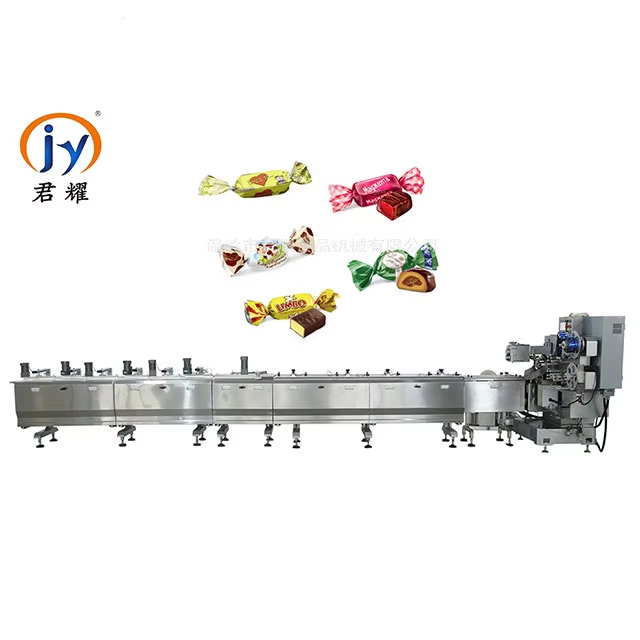
Balancing Sustainability Claims with Industrial Scalability
The challenge of scaling bio-based materials in high-volume chocolate packaging operations
Getting biodegradable films to work at scale in large manufacturing settings requires some serious problem solving. These plant based materials look good in small tests but run into issues when things heat up during fast sealing processes. They also don't last as long on store shelves compared to traditional options, which creates headaches for companies trying to ship them worldwide. The numbers tell part of the story too FoodTech Journal reported last year that these eco friendly films cost about 37 percent more than regular ones. Most manufacturers aren't ready to replace entire machines just yet, so they tend to upgrade specific parts first instead. Smart companies usually start by introducing these films in less critical areas like inner packaging layers or liners. This approach keeps production running smoothly while they test how well everything works in actual factory conditions over time.
Addressing the plastic-free paradox: Realistic pathways to sustainable chocolate packaging machine adoption
Getting completely plastic-free packaging for chocolate still isn't really practical because chocolates need protection against moisture and oxygen. What works better are these hybrid solutions where they put very thin layers of bio-PET on top of materials that can be composted. This approach cuts down fossil fuel use by around 80% while keeping the chocolate fresh. Companies looking to make the switch focus on affordable upgrades first. They adjust temperatures for sealing jaws when working with bioplastics, fine tune sensors to handle dark compostable films properly, and redesign products so they fit into current recycling systems. Big name manufacturers have shown through experience that small, practical changes at the factory level tend to cut carbon emissions much faster than trying to replace all materials at once. The industry has learned this the hard way after several failed attempts at complete overhauls.
FAQ Section
What are biodegradable films used in chocolate packaging made from?
Biodegradable films in chocolate packaging are made from plant-based materials like bio-PLA (polylactic acid) or cellulose esters, which qualify under EN 13432 industrial composting standards.
How do eco-friendly materials impact the environment compared to traditional plastics?
Eco-friendly materials, such as certified compostable packaging, can reduce landfill waste by 90% compared to traditional plastics and break down completely in about 12 weeks in commercial composting setups. They also consume significantly less energy during production, reducing greenhouse gas emissions.
Are there challenges in adopting biodegradable packaging on a large scale?
Yes, scaling biodegradable films for large manufacturing settings presents challenges. They may not perform as well under high-heat sealing processes and have a shorter shelf life than traditional options. Additionally, they tend to be more expensive.
How do smart sensors and IoT features contribute to energy efficiency in packaging machines?
Smart sensors and IoT features allow for real-time adjustments, optimizing operations and reducing waste. For instance, features like idle mode activation can reduce motor runtime by 40%, and precision controls help use less material while maintaining quality.
What are the financial benefits of modern energy-efficient machines?
Modern energy-efficient chocolate packaging machines can achieve up to 30% lower power consumption compared to older equipment. This translates to approximately $18,000 in annual utility savings per machine and reduces carbon emissions by about 19 metric tons yearly.
Table of Contents
- Biodegradable Material Compatibility in Chocolate Packaging Machines
- Energy Efficiency and Smart Automation in Chocolate Packaging Machines
- Waste Minimization and Carbon Footprint Reduction
- Balancing Sustainability Claims with Industrial Scalability
-
FAQ Section
- What are biodegradable films used in chocolate packaging made from?
- How do eco-friendly materials impact the environment compared to traditional plastics?
- Are there challenges in adopting biodegradable packaging on a large scale?
- How do smart sensors and IoT features contribute to energy efficiency in packaging machines?
- What are the financial benefits of modern energy-efficient machines?