 EN
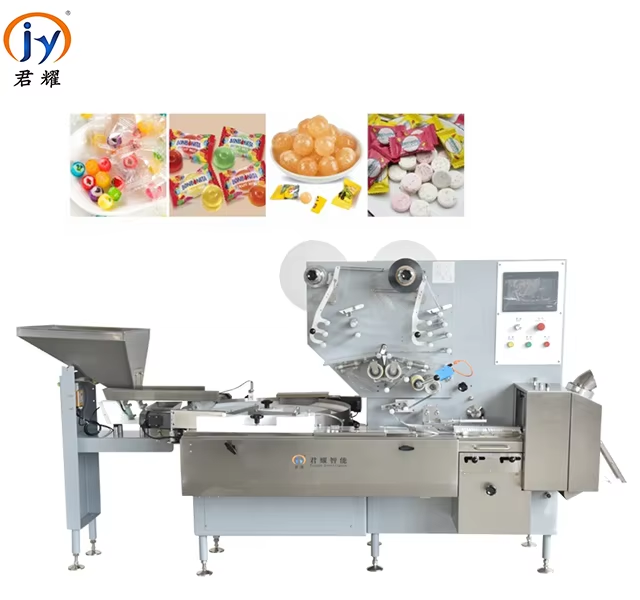
Modern food manufacturing demands precision, consistency, and reliability in every stage of production. The pillow packing machine has emerged as a cornerstone technology for biscuit manufacturers seeking to elevate packaging quality while maintaining competitive production speeds. These sophisticated systems automatically wrap individual biscuits or biscuit assortments in protective film, delivering uniform presentation that enhances shelf appeal and consumer confidence. Understanding how a pillow packing machine functions and its impact on packaging excellence is essential for food producers aiming to differentiate their products in increasingly crowded retail markets.
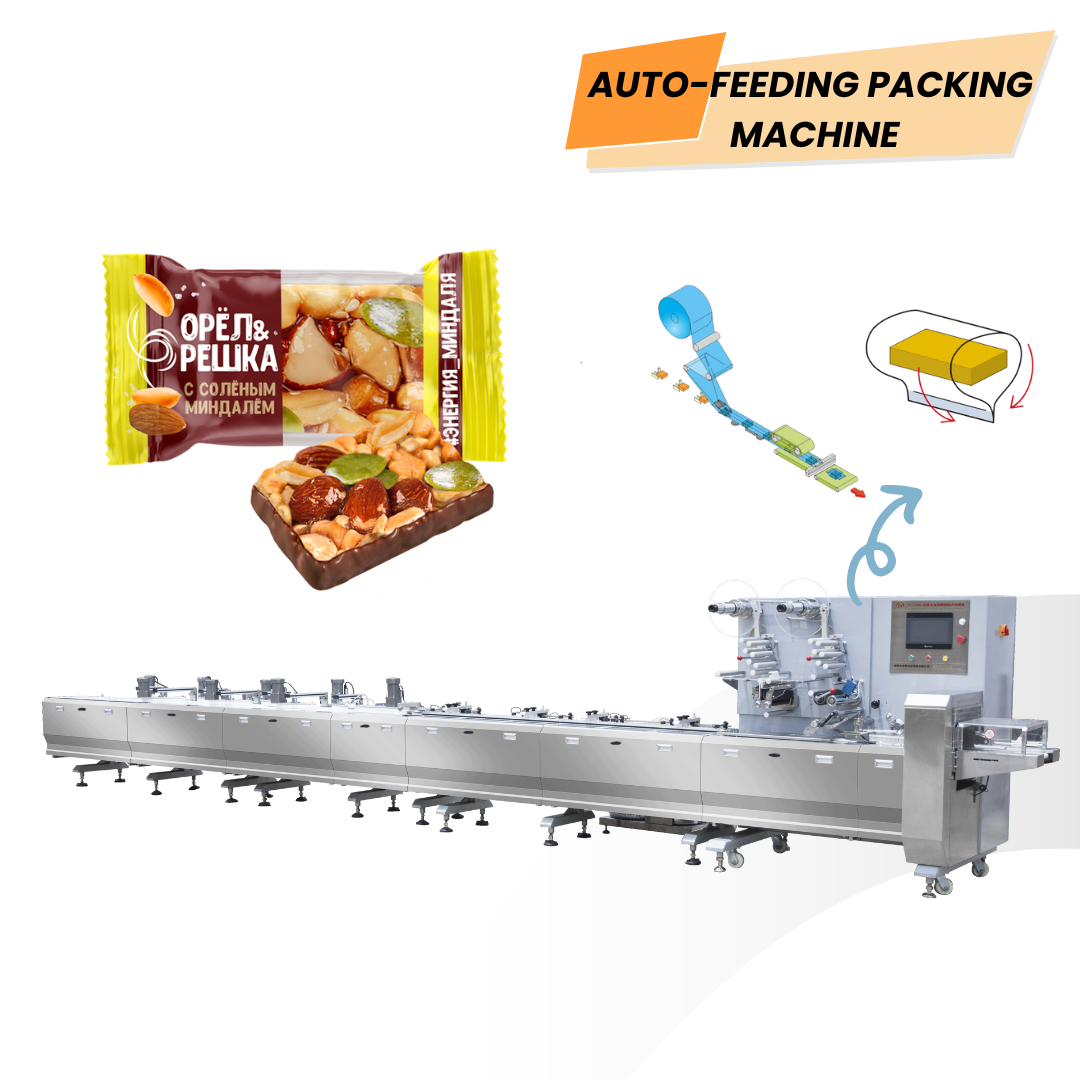
A pillow packing machine represents a significant investment in production infrastructure, yet the return on investment manifests quickly through improved packaging consistency, reduced material waste, and enhanced brand perception. When properly integrated into a production line, a pillow packing machine transforms loose biscuits into professionally sealed, visually appealing packages that communicate quality to consumers before they even open the box. The technology addresses critical manufacturing challenges including moisture protection, portion control accuracy, and rapid throughput, making it indispensable for commercial biscuit production operations of all scales.
How Pillow Packing Machines Deliver Superior Packaging Consistency
Precision Film Sealing and Material Efficiency
The pillow packing machine operates through a carefully orchestrated sequence of film feeding, product placement, and heat-sealing operations. The machine pulls flexible film material from a supply roll, positions it correctly around the biscuit product, and applies targeted heat to create hermetic seals on opposing edges. This automated process eliminates the inconsistencies inherent in manual wrapping, where seal strength, film tension, and wrap alignment vary from operator to operator. A pillow packing machine ensures every package meets identical specifications, significantly reducing rejects and customer complaints related to torn film, inadequate seals, or loose packaging.
Film Format Customization and Brand Presentation
One of the critical advantages of a pillow packing machine lies in its flexibility regarding film width, material type, and seal configuration. Manufacturers can select from various film gauges, print patterns, and material compositions to align packaging with brand identity and regulatory requirements. The pillow packing machine accommodates custom-printed films that display product information, nutritional data, and marketing messaging, transforming the package into a valuable marketing asset. This customization capability allows producers to maintain brand consistency across product lines while a pillow packing machine handles the technical complexity of applying multiple seal points with precise timing and pressure.
Quality and Preservation Benefits of Automated Packaging
Extended Shelf Life Through Moisture and Oxygen Control
Biscuits and crispy confectionery products are highly susceptible to moisture absorption and oxidative degradation, which compromise texture, flavor, and consumer satisfaction. A pillow packing machine creates tight seals that prevent atmospheric exchange, establishing a protective microenvironment around the product. Many modern systems incorporate modified atmosphere packaging capabilities, where inert gases replace oxygen within the sealed film, dramatically extending shelf life without chemical preservatives. The pillow packing machine's consistent seal quality ensures this protection remains effective throughout the product's distribution journey from factory to retail shelf to consumer home.
Damage Prevention and Structural Integrity
During transportation and handling, improperly sealed or loose packages allow biscuits to shift, crack, and deteriorate. A pillow packing machine secures products firmly within their film envelope, minimizing movement and impact damage. The hermetic seal created by a pillow packing machine also prevents external contaminants, insects, and dust from compromising product safety and appearance. This protective function becomes increasingly valuable in humid climates and during long supply chains where environmental stress tests every aspect of the packaging system. Retailers report fewer damaged units and customer returns when biscuits arrive in packages created by a properly calibrated pillow packing machine.
Operational Efficiency and Production Advantages
High-Speed Throughput and Labor Cost Reduction
Industrial pillow packing machine systems operate at speeds exceeding 150 packages per minute, depending on product size and film thickness. This throughput capability allows a single pillow packing machine to handle production volumes that would require a large manual wrapping team, resulting in substantial labor cost savings and improved production predictability. The pillow packing machine reduces dependency on skilled labor, as the system maintains consistent output regardless of operator fatigue or experience level. Manufacturers can achieve greater production flexibility, scaling output up or down by simply adjusting machine parameters rather than hiring or managing variable workforce schedules.
Integration with Upstream and Downstream Processes
Modern production facilities demand seamless integration between packaging and upstream manufacturing stages. A pillow packing machine connects directly to product conveying systems, receiving biscuits at regulated speeds and automatically positioning them for wrapping. The machine's output feeds into secondary packaging operations, cartoning, or case-packing systems, creating a unified production line where a pillow packing machine serves as the critical linking component. This integration minimizes handling, reduces damage, and enables real-time monitoring of production metrics. Advanced pillow packing machine models feature programmable logic controllers that coordinate with upstream production equipment, ensuring synchronized flow and optimized efficiency throughout the entire manufacturing process.
FAQ
What types of biscuits work best with a pillow packing machine?
A pillow packing machine accommodates virtually all biscuit formats, from individual thin cookies to thick snack crackers and wafer products. The system adjusts film thickness, seal temperature, and conveyor speed to match specific product characteristics. Delicate biscuits benefit from gentle handling integrated into advanced pillow packing machine models, while robust crackers tolerate more aggressive film tensioning. Manufacturers often run pilot trials with a pillow packing machine to optimize parameters for their exact product specifications before full-scale deployment.
How does a pillow packing machine impact overall packaging costs?
While a pillow packing machine represents significant capital investment, the operational cost per unit typically decreases compared to manual wrapping. Film material waste drops significantly because a pillow packing machine uses precise lengths with minimal overlap. Labor elimination, reduced rejects, and faster production throughput create cost advantages that accumulate over the equipment's operational lifetime. A comprehensive cost analysis accounting for equipment maintenance, film supply, and labor replacement demonstrates that a pillow packing machine usually achieves return on investment within 18 to 36 months for medium to high-volume biscuit manufacturers.
Can a pillow packing machine accommodate sustainable or eco-friendly films?
Yes, modern pillow packing machine systems support biodegradable films, compostable materials, and recyclable film formats that align with environmental sustainability goals. A pillow packing machine adjusts heat profiles and seal pressures to work effectively with alternative film materials that may behave differently than traditional plastic films. Many manufacturers now use a pillow packing machine with eco-friendly films to meet consumer preferences and regulatory requirements without compromising packaging performance or production efficiency, making sustainability and commercial success fully compatible objectives.